
In a world where sustainability and efficiency are paramount, the agricultural sector stands at a crossroads of innovation and tradition. The mini rice mill Plant emerges as a beacon of opportunity, unlocking the potential of small-scale rice production while addressing the pressing needs of rural economies. This compact solution not only transforms the way rice is processed but also empowers local farmers and entrepreneurs to thrive in a competitive market. By marrying cutting-edge technology with age-old agricultural practices, the mini rice mill Plant paves the way for enhanced productivity, reduced waste, and greater food security. In this article, we will explore the myriad benefits of this remarkable solution, shedding light on how it can revolutionize rice milling and contribute to a more sustainable future for farming communities around the globe.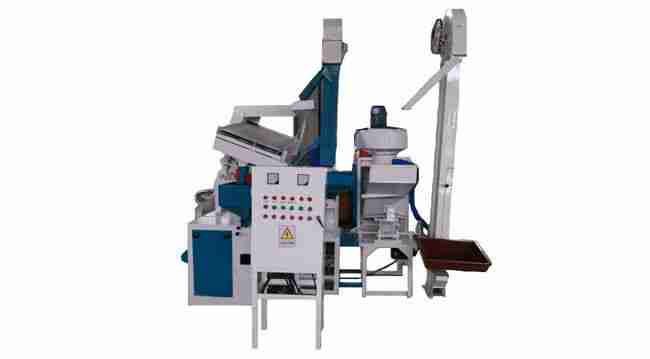
Exploring the Benefits of mini rice mill Plants for Small Scale Farmers
The introduction of mini rice mill plants has revolutionized grain processing for small scale farmers, empowering them to take control of their production and profits. These compact mills are designed to cater to the specific needs of local farmers, enabling them to process their rice efficiently and effectively. With reduced manual labor and increased output quality, farmers can enjoy several advantages, including:
- Cost-Effective Solution: Mini rice mills require less investment compared to large-scale establishments while producing high-quality milling results.
- Enhanced Processing Time: By minimizing the time taken to mill rice, farmers can increase their turnover and cater to market demands promptly.
- Employment Opportunities: Establishing a mini rice mill can create local jobs, supporting community growth and economic stability.
Moreover, these plants often come equipped with modern technology that ensures minimal wastage and peak efficiency. They are also versatile enough to accommodate different types of rice varieties, allowing farmers to diversify their production portfolio. The benefits extend beyond just financial gains, as mini rice mills contribute to food security by ensuring a consistent and quality supply of rice. Key advantages of mini rice mill plants include:
| Benefit | Description |
|---|---|
| Reduced Post-Harvest Loss | Efficient milling minimizes losses from spoilage and pests. |
| Quality Control | Farmers can monitor milling standards ensuring high grain quality. |
| Local Community Support | Processing locally leads to a stronger community and better economy. |

Understanding the Technology Behind mini rice mill Solutions
The advancements in technology have significantly transformed the landscape of mini rice mill solutions, making them more efficient, compact, and user-friendly. At the heart of these innovations are robust systems designed to maximize yield while minimizing waste. Some of the key components that contribute to the effectiveness of mini rice mills include:
- Modern Milling Techniques: Incorporating methods such as multi-pass milling ensures a higher quality of rice with fewer broken grains.
- Automatic Control Systems: These allow for precise adjustments in milling parameters, enhancing consistency and reducing manual labor.
- Energy Efficiency: Latest mini rice mills are built with energy-efficient motors that significantly lower operational costs.
- Compact Design: The innovative structure allows for easy installation in small spaces, making these mills accessible to small-scale farmers and entrepreneurs.
Additionally, the integration of smart technology is revolutionizing the mini rice milling process. Many contemporary mills come equipped with sensors and data analytics capabilities that track performance metrics in real-time, enabling users to make informed decisions and optimize operations. As an example, consider the following table that outlines the benefits of smart mini rice mills:
| Feature | Benefit |
|---|---|
| Real-Time Monitoring | Immediate feedback on milling performance and adjustments. |
| Data Analysis Tools | Insight into production trends for better forecasting. |
| Automated Maintenance Alerts | Prevention of unplanned downtime through timely interventions. |
Essential Factors for Successful Implementation of Mini Rice Mills
To ensure the effective deployment of mini rice mills, several key elements must be taken into account. First, a thorough understanding of the local market dynamics is vital. This involves assessing the demand for rice in the region, identifying potential customers, and recognizing competition. Proper market research will inform entrepreneurs about the appropriate capacity of the mini rice mill and the best practices for sourcing raw materials. Training and educating the staff play a critical role in maintaining high operational standards, thus enhancing product quality and customer satisfaction.
Additionally, establishing a robust supply chain is essential for the ongoing success of mini rice mills. Entrepreneurs should prioritize partnerships with local farmers to ensure a steady supply of high-quality paddy. Furthermore, investment in modern technology—such as efficient milling equipment—can significantly enhance processing output and reduce waste. Throughout the process, monitoring the economic viability through a transparent financial management system is crucial. Here’s a concise overview of critical components for implementation:
| Component | Description |
|---|---|
| Market Research | Analyze local demand and competition. |
| Supply Chain | Partnerships with local farmers for better sourcing. |
| Technology | Invest in efficient milling equipment. |
| Staff Training | Develop skills to ensure quality and efficiency. |
| Financial Management | Maintain transparency and monitor economic viability. |
Maximizing Output: Strategies for Enhancing Efficiency and Profitability
In the quest for enhanced efficiency and profitability, mini rice mill plants have emerged as a game-changing solution for rice producers. These compact systems are designed to streamline the milling process while minimizing waste and maximizing output. By incorporating modern technology, such as automated functions and energy-efficient machinery, these mills not only reduce operational costs but also improve the quality of the final product. Key strategies for optimizing productivity in a mini rice mill include:
- Regular Maintenance: Keeping machinery in top condition significantly reduces breakdowns and extends equipment lifespan.
- Training Workforce: Well-trained personnel can operate equipment more efficiently, leading to better quality control and faster processing times.
- Supply Chain Optimization: Streamlining procurement and distribution processes can help lower costs and ensure timely deliveries.
Moreover, the integration of smart technology enables real-time monitoring of production metrics, allowing mill owners to make data-driven decisions. This can lead to a decrease in operational inefficiencies and unanticipated downtime. Consider implementing a system that tracks:
| Metric | Target | Status |
|---|---|---|
| Production Output (kg/hour) | 500 | 450 |
| Waste Percentage | 5% | 8% |
| Energy Consumption (kWh) | 50 | 55 |
Such data can be invaluable for identifying bottlenecks and implementing targeted improvements, ultimately enhancing both efficiency and profitability in the mini rice milling operation.
To Wrap It Up
In a world where innovation meets necessity, the mini rice mill plant emerges as a beacon of opportunity for farmers and entrepreneurs alike. By embracing this accessible technology, we not only foster efficiency and sustainability but also empower communities to unlock their true potential. As we cultivate the future of agriculture, let us remember that each grain milled represents not just a step towards modernization, but a stride towards self-sufficiency and prosperity. As we close this exploration, may the vision of a thriving, resilient agricultural landscape inspire you to consider how these mini rice mill plants can transform not only your endeavors but also the lives of those around you. Together, we can cultivate a future rich in promise, one grain at a time.



