transforming Grain: The Journey of Parboiled Rice processing
In the heart of agriculture, where grains are born and nurtured, a remarkable conversion unfolds that enriches the lives of millions: the journey of parboiled rice processing. This intriguing method, steeped in tradition yet propelled by modern innovation, takes ordinary paddy and elevates it into a nutritious staple cherished across cultures. Encountering a symphony of science and art,the process not only enhances the grain’s culinary attributes but also fortifies its nutritional profile,making it a staple that caters to the evolving demands of health-conscious consumers.From the sun-drenched fields where the rice is harvested to the steaming pots where it becomes a beloved dish, join us as we explore the nuanced stages of parboiled rice processing, unveiling the intricate techniques that transform local harvests into global essentials.
Exploring the Science Behind Parboiling Rice
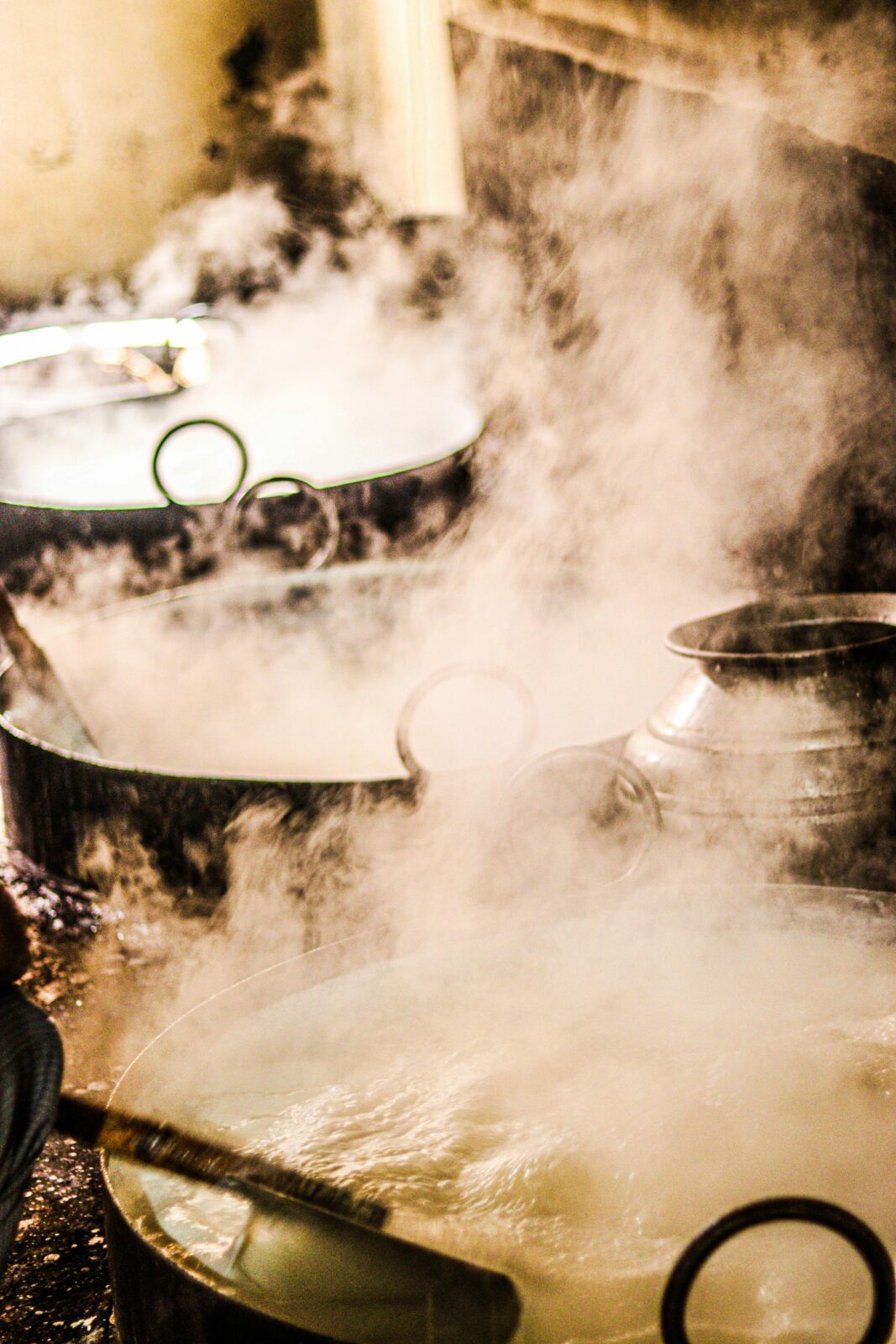
Parboiling rice involves a captivating combination of science and tradition, revolutionizing the way we prepare this staple grain. The process begins with soaking the raw rice in water, allowing it to absorb moisture. This step is crucial as it initiates the gelatinization of starches within the grain. Following this, the soaked rice is subjected to steaming, a method that not only partially cooks the rice but also creates a barrier against spoilage and nutritional loss. The heat and moisture work together to transform the rice’s structure, leading to grains that are firmer and less likely to become sticky when cooked.
Moreover, parboiling significantly enhances the nutritional profile of the rice. by retaining important vitamins and minerals that otherwise might be lost in customary milling processes, parboiled rice emerges as a more healthful option. When compared to regular white rice, parboiled rice often boasts higher levels of essential nutrients, including:
- Thiamine: Important for energy metabolism
- Folate: Essential for DNA synthesis
- Iron: Crucial for transporting oxygen in the blood
This process not only improves nutritional value but also imparts a distinct flavor and aroma to the cooked rice, making it a favorite in many culinary traditions. With its vibrant color and nutty taste, parboiled rice exemplifies a perfect blend of science and gastronomy.
Essential Steps in the Parboiling Process for Quality Enhancement
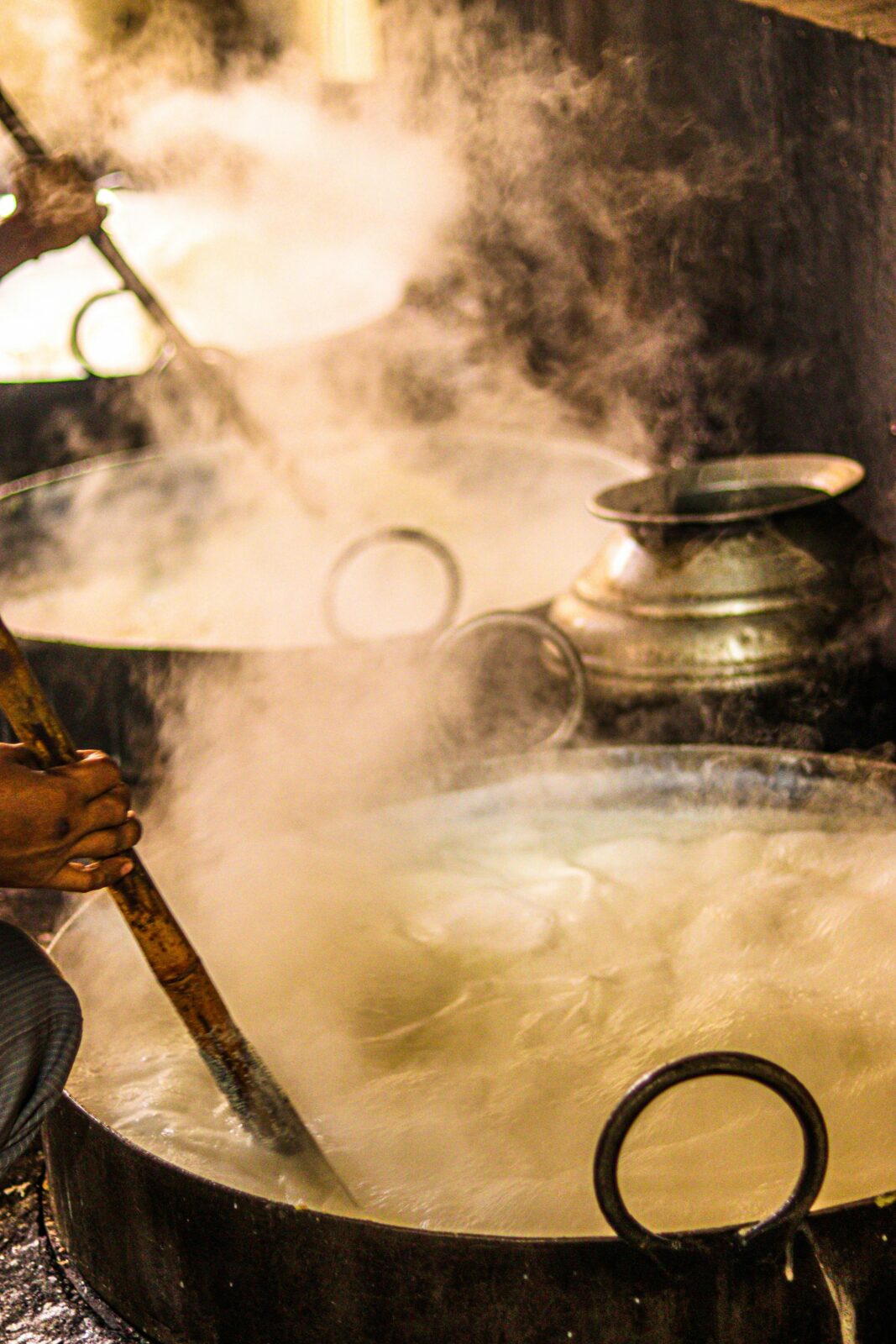
the parboiling process involves a series of meticulously orchestrated steps designed to enhance the quality of rice, elevating its nutritional profile and overall cooking properties. Initially, the rice grains are subjected to steaming or soaking, which prepares them for further treatment. This crucial frist step allows for the migration of nutrients from the husk to the kernel,ensuring that the final product is not only flavorful but also rich in essential vitamins and minerals. Following this, the grains undergo a phase of partial boiling, where they are gently cooked. This technique helps to gelatinize the starch and firm up the grain, making it more resilient during the milling process and less prone to breakage.
once the partial boiling is complete, the rice is then dried to reach the optimal moisture content. This reduction in moisture is vital for extending shelf life and preventing spoilage. The final step of the parboiling process involves milling and polishing, which enhances the aesthetic appeal of the grains while removing any remaining husk and bran. Consequently, the rice not only achieves a lustrous shine but also gains improved cooking characteristics, ensuring a fluffy texture and flavorful taste when prepared. With each step meticulously executed, the transformation of raw grain into parboiled rice is a testament to the fusion of tradition and technique.
| Step | Description | Importance |
|---|---|---|
| Soaking | Prepare grains for nutrient migration | Enhances nutritional value |
| Partial Boiling | Gently cook rice to firm up grains | Prevents breakage during milling |
| Drying | Reduce moisture content for shelf life | Prevents spoilage |
| Milling & Polishing | Enhance appearance and remove husk | Improves cooking characteristics |
Nutritional Benefits of Parboiled rice: A Comprehensive Overview
Parboiled rice is not just a culinary delight; it’s a powerhouse of nutrition. This unique grain undergoes a process that enhances its nutrient profile significantly. As the rice is partially boiled in the husk, it retains a considerable amount of vitamins and minerals that are often lost during the milling of white rice. Key benefits include:
- Enhanced Nutrient Retention: Due to the soaking and steaming process, parboiled rice retains vital nutrients such as vitamin B, iron, and magnesium.
- Lower Glycemic Index: It has a lower glycemic index compared to white rice, making it a better option for individuals managing blood sugar levels.
- High Fiber content: This rice variety is also higher in fiber,promoting better digestive health and a feeling of fullness.
Moreover, the processing not only helps in retaining nutrients but also improves the cooking attributes of parboiled rice. It becomes less sticky when cooked,making it a preferred choice for various culinary applications.A rapid glance at the macro-nutritional profile can underline these benefits:
| Nutrient | Per 100g |
|---|---|
| Calories | 130 |
| Carbohydrates | 28g |
| Protein | 3g |
| Fiber | 1.5g |
| Fat | 0.3g |
In addition, parboiled rice has been linked to various health benefits, such as improved metabolic health and potential weight management support, establishing its place as a nutritional staple in the modern diet.
Best Practices for Packaging and Storing Parboiled Rice
When it comes to ensuring the longevity and quality of parboiled rice, thoughtful packaging and storage play essential roles. Using air-tight containers is a good practice, as they prevent moisture and pests from compromising the grains. Additionally, consider using containers made from food-grade materials that won’t impart scents or flavors to the rice. A dark, cool place is ideal for storing these containers, as elevated temperatures can degrade the quality over time. Regularly check your supplies and maintain a first-in, first-out inventory system to keep your stock fresh.
To further enhance the storage experience, it’s beneficial to label containers with both the date of purchase and the best-by date. This simple step can aid significantly in tracking freshness. For longer-term storage, consider vacuum-sealing small portions of parboiled rice, which can prevent freezer burn and preserve flavor. Additionally, here are some simple storage tips that can make a big difference:
- Keep away from direct sunlight: Light can hasten deterioration.
- Avoid humidity: High moisture levels can lead to spoilage.
- Store in a pantry or cupboard: Ensure it’s a stable temperature habitat.
The effectiveness of your storage strategy can be further illustrated through a comparison of container types:
| Container Type | Advantages | Disadvantages |
|---|---|---|
| Glass Jars | Non-reactive, visible contents | Heavy, breakable |
| Plastic Bins | Lightweight, stackable | Can retain odors, less durable |
| Vacuum-Sealed Bags | Maximizes space, minimizes air | Requires vacuum sealer |
to Conclude
As we reach the conclusion of our exploration into the transformative journey of parboiled rice, it is clear that this process encapsulates more than just the simple act of cooking. It represents a blend of science, tradition, and innovation that has shaped culinary practices across various cultures and continues to play a vital role in global food security. From steaming and soaking to drying and milling, each step in the parboiling process not only enhances the flavor and nutritional value of the rice but also preserves essential qualities that have been cherished for generations.
In a world that is constantly evolving, the methods and technologies surrounding grain processing are adapting to meet the demands of modern society while honoring time-honored practices. As we savor a bowl of parboiled rice, let us appreciate the intricate journey it undertook—one that echoes with the stories of farmers, millers, and communities bound together by a shared commitment to transforming raw grains into a staple food that nourishes both body and spirit.
As we part ways, may this newfound understanding of parboiled rice inspire not only our culinary endeavors but also a greater appreciation for the diligent processes that bring our food from the fields to our tables. in savoring every grain, we celebrate not just sustenance but the rich tapestry of history and innovation that continues to unfold in the realm of food processing.