In the heart of agricultural innovation,a quiet revolution is unfolding beneath the golden fields of rice paddies. As global demand for lasting food practices intensifies, parboiled processing plants are stepping into the spotlight, transforming the way we grow, consume, and understand one of the world’s most vital crops. This article delves into the intricate dance between modern technology and traditional agriculture, exploring how parboiling—a time-honored technique that preserves nutrients and enhances flavor—is reshaping rice production. By bridging the gap between age-old farming practices and cutting-edge processing methods, these facilities are not only maximizing yields and reducing waste but also paving the way toward a more sustainable agricultural future. Join us as we explore this paradigm shift, revealing how parboiled rice is poised to carve a new path in our culinary landscape while addressing pressing environmental challenges.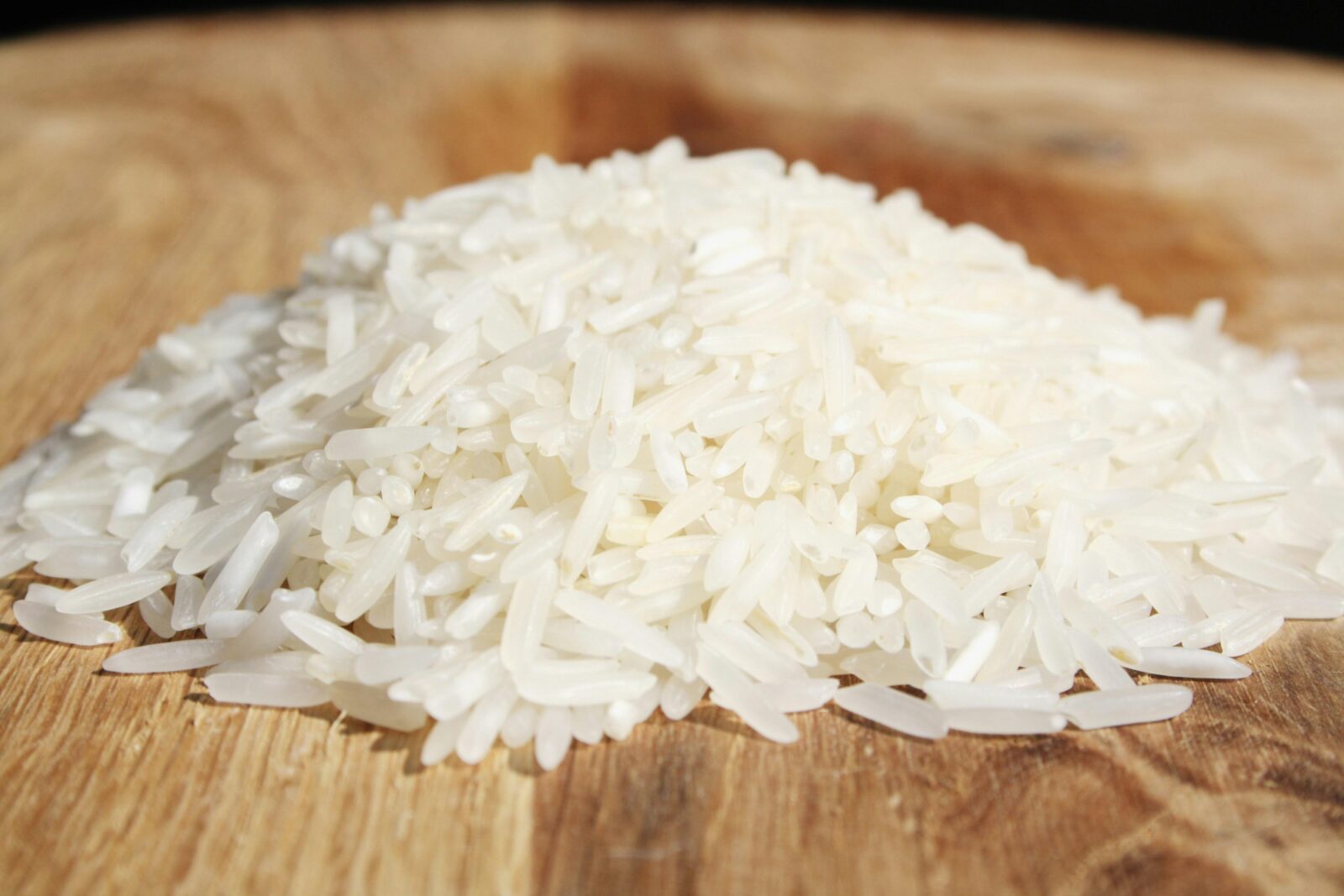
Transforming Grain: Balancing Innovation and Intuition in Parboiled Rice Processing
In the realm of parboiled rice processing, the interplay between innovation and intuition is crucial for achieving both efficiency and flavor. Innovation in this context refers not merely to technological advancement but also includes novel methodologies that address sustainability challenges inherent in traditional agriculture. For instance, the integration of advanced steaming and drying technologies can enhance the nutritional profile of rice while reducing energy consumption. Tho, these innovations should not overshadow the intuitive aspects of rice cultivation that local producers have honed over generations. Preserving traditional knowledge offers a unique advantage in enhancing product quality.Balancing precision with tradition may well lead to superior outcomes, as local farmers can provide invaluable insights into optimal processing times and moisture levels that machine learning algorithms may overlook.
Managing this balance involves navigating certain trade-offs. On the one hand, fully automated systems can significantly reduce processing time and costs, thus appealing to large-scale operations. On the other hand, complete reliance on mechanization risks severing the connection to cultural practices that define rice varieties. A nuanced recommendation woudl involve adopting a hybrid model that respects traditional methods whilst incorporating smart technology at critical stages of processing. As an example, employing data analytics to optimize steaming conditions while allowing for manual checks during the drying phase could provide the best of both worlds. By thoughtfully integrating these elements, parboiled rice processing can not only improve output but also sustain the underlying cultural fabric that makes rice a staple for many communities worldwide.
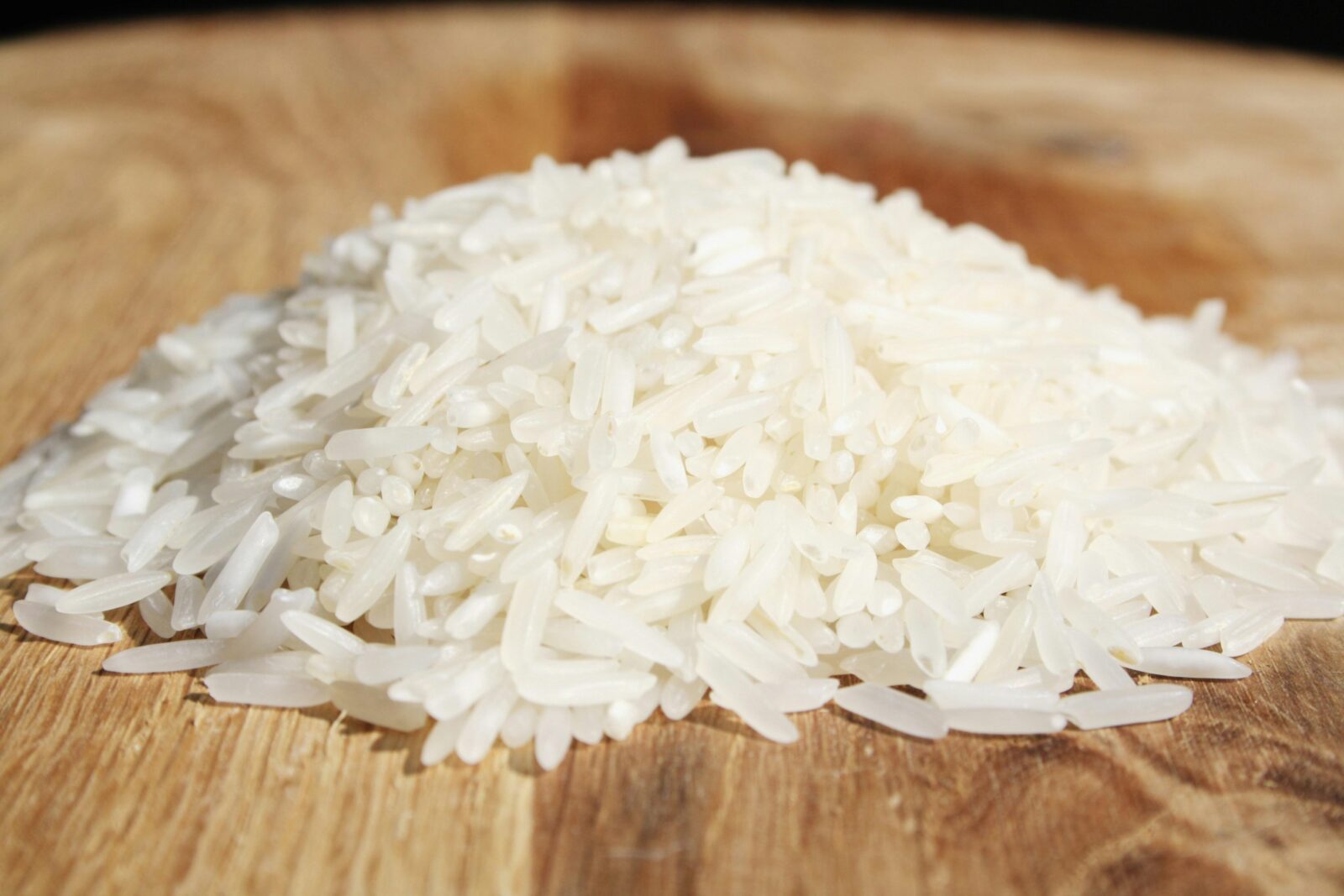
Beyond the Hype: Unpacking the Environmental Costs of Parboiled Rice Production
The environmental costs of parboiled rice production are frequently enough overshadowed by it’s benefits,including improved nutrient retention and reduced cooking time. Though, a closer examination reveals that the trade-offs might potentially be more significant than generally acknowledged. Parboiling involves steaming paddy rice before milling, which not only demands additional energy but also impacts water resources.These points merit careful consideration:
- Water Usage: Parboiling requires substantial amounts of water, both in the steaming process and for milling. In regions already grappling with water scarcity, this can exacerbate existing tensions between agricultural and urban water needs.
- Energy Consumption: The traditional method of parboiling often relies on non-renewable sources. An increase in energy consumption in parboiling plants can lead to higher carbon emissions if efficient technologies aren’t embraced.
- Agrochemical Reliance: While parboiled rice may offer better shelf-life and reduced pest incidence, the increased monetary value can incentivize unsustainable farming practices, such as excessive use of fertilizers and pesticides.
Balancing the environmental costs with the benefits of parboiled rice requires strategic innovation. One recommendation is to invest in advanced technologies that enhance energy efficiency and utilize renewable energy sources in processing plants. Furthermore, integrating water-saving technologies and practices—like rainwater harvesting—could mitigate water usage. Assessing the socio-economic impacts of parboiled rice production also plays a pivotal role; community engagement in developing sustainable practices can foster acceptance and resilience.Ultimately, the push for parboiled rice must not merely focus on productivity but also encompass a broader commitment to environmental stewardship.
| Aspect | Consideration | Potential Solutions |
|---|---|---|
| Water Use | High consumption can stress local resources | Implement rainwater harvesting |
| Energy Use | Increasing carbon footprint | Transition to renewable sources |
| Use of Agrochemicals | Can lead to unsustainable practices | Promote precision agriculture |
Legacy Farming vs. Modern Plants: the Ethical Dilemma of agricultural Disruption
The rise of modern processing techniques, particularly parboiled rice processing plants, brings with it an ethical quandary grounded in agricultural disruption. On one hand, advancements in technology promise increased efficiency and a lower carbon footprint, addressing global food security challenges. though, this progress frequently enough comes at the expense of traditional farming practices that have sustained communities for generations. The implications are layered, necessitating a balanced approach to evaluate the trade-offs:
- Cultural Heritage: Traditional farming methods are deeply rooted in local customs, offering a sense of identity and heritage. Disruption can lead to cultural erosion.
- Environmental Impact: While modern methods can mitigate the environmental damage caused by conventional farming, they may also lead to monocultures that threaten biodiversity.
- Economic Disparities: Smallholder farmers risk losing market access against larger corporate entities that can leverage advanced techniques, squeezing their profitability.
- Food Quality: Parboiling improves nutritional profile but may alter flavor and cooking practices cherished in traditional cuisines, disruptively changing local diets.
To navigate this ethical minefield, stakeholders must prioritize inclusive dialogues that recognize the value of legacy farming methodologies while integrating modern innovations. This means establishing frameworks that offer:
| Recommendation | Potential Benefit |
|---|---|
| Financial Support for Smallholder Farmers | Ensures sustainability and equity in transitioning to modern methods. |
| Training Programs on Best Practices | Combines traditional knowledge with modern techniques, enhancing productivity without cultural loss. |
| Research Grants for Sustainable Practices | Encourages innovative agricultural methods that respect local ecosystems. |
By encouraging collaboration between traditional and modern agricultural methods, we can create a more resilient and just food system that respects both innovation and heritage, ultimately setting the stage for sustainable agricultural practices that align with contemporary needs without sidelining invaluable historical wisdom.
Redefining Rice Cultivation: Exploring the Trade-offs of Efficiency and Nutritional Integrity
Rice cultivation has long been seen through the lens of yield maximization, often at the expense of nutritional integrity. The rise of parboiled processing plants presents an possibility to challenge this paradigm by introducing a more balanced approach that prioritizes both efficiency and health benefits. while traditional methods focus heavily on quantity,parboiling enhances the nutritional profile of rice by increasing its mineral content and reducing antinutritional factors.This approach yields several significant trade-offs:
- efficiency vs. Quality: Parboiling can streamline production but may require initial investment in technology and training, posing a challenge for smaller growers.
- Traditional Practices vs. Innovative Techniques: Farmers must weigh the benefits of adopting parboiling against the cultural significance of conventional practices, which can affect local acceptance.
- Market demand vs. Nutritional Integrity: As consumer preferences shift towards health-conscious choices, rice cultivators face pressure to enhance the nutritional value of their products without alienating cost-sensitive markets.
These considerations require a nuanced approach in future agricultural strategies. Stakeholders, including farmers, policymakers, and nutritionists, should engage in informed discussions about best practices in parboiled rice cultivation, with the following recommendations in mind:
| Recommendation | Benefits | Challenges |
|---|---|---|
| Invest in Education | Empower farmers with knowledge of parboiling benefits. | Requires resources and time for training. |
| Develop Infrastructure | Facilitate access to parboiling equipment and technology. | High upfront costs and potential financial risks. |
| Engage Consumers | Promote awareness of the health advantages of parboiled rice. | Market acceptance may take time to build. |
By carefully navigating these complexities, the rice industry can redefine its relationship with both productivity and nutrition, striving towards a future where parboiled rice not only nourishes bodies but also sustains the surroundings and communities engaged in its production.
Final Thoughts
the emergence of parboiled processing plants stands as a beacon of innovation within the agricultural landscape, challenging conventional methods and paving the way for a more sustainable future. by optimizing grain preservation, enhancing nutritional content, and minimizing waste, this cutting-edge approach to rice processing not only addresses pressing food security challenges but also promotes a healthier relationship between agriculture and the environment. As we venture into an era marked by rapid change and increasing demand, the revolution in rice production serves as a reminder that adaptability and progress can coexist harmoniously. the journey toward agricultural sustainability is complex, yet it is indeed these transformative practices that illuminate the path forward, urging us to embrace new technologies while remaining rooted in traditional wisdom. As we look ahead, let us remain open to the possibilities of innovation, and committed to nurturing a food system that benefits both people and the planet.