from Seed to Sustenance: The Journey of Rice Machinery Through Fields of Change
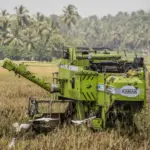
In the heart of Asia, where emerald terraces cascade down lush hillsides and the rhythmic sound of water gently fills the air, the cultivation of rice has shaped not only the landscape but also the very fabric of life. This humble grain, a staple for billions, is the result of a delicate interplay between nature and technology. As we delve into the journey of rice machinery,we uncover a story that mirrors the evolution of agriculture itself—a narrative adorned with innovation,tradition,and conversion. from the time-honored practices of hand planting to the precision engineering of modern combines, the machinery that drives rice production has evolved in tandem with the changing needs of society. Join us on this exploration, as we trace the path from seed to sustenance, highlighting the advancements that have revolutionized rice farming and the challenges that continue to shape its future amidst fields of change.
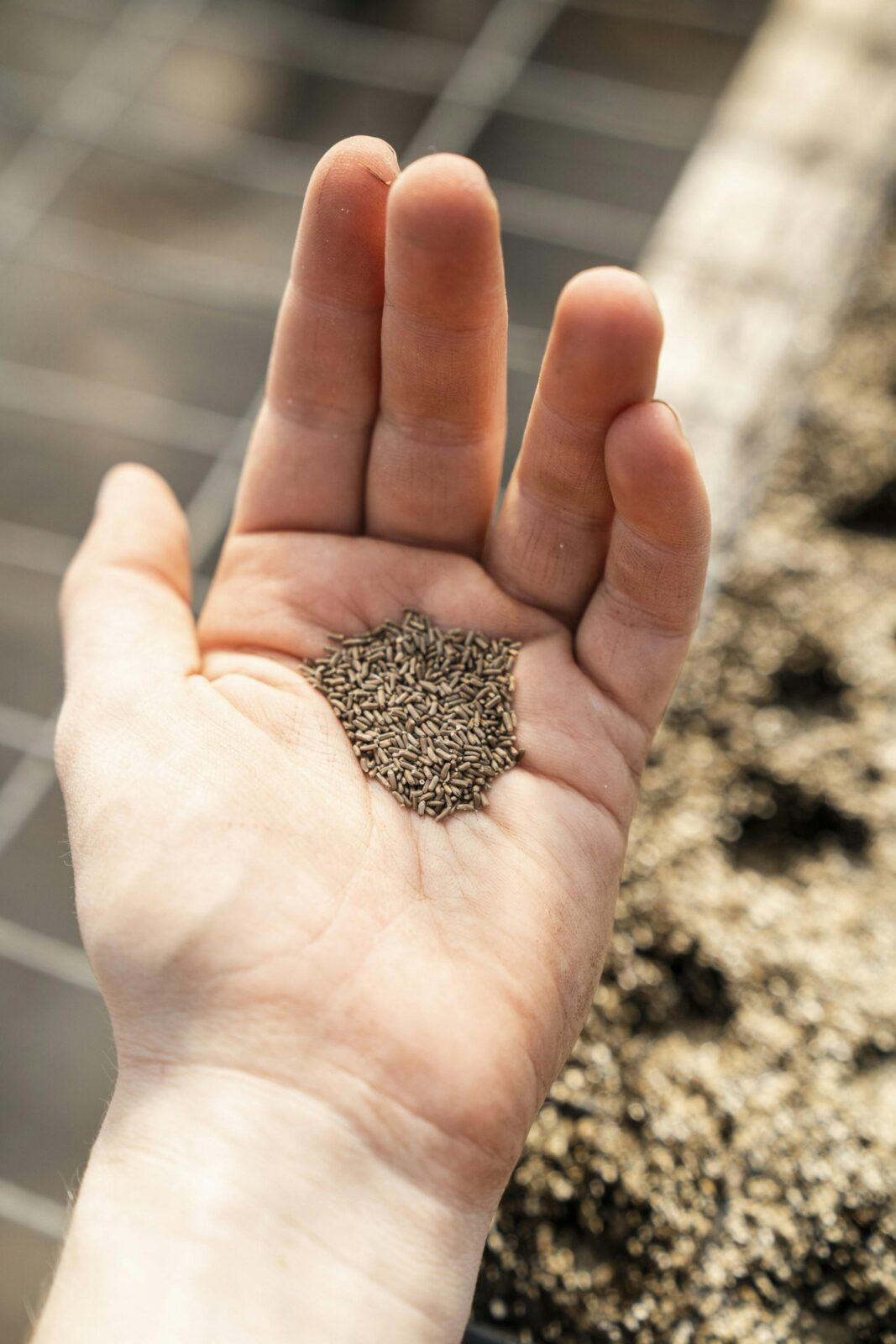
Sowing Innovation: How Machinery Redefines Tradition in Rice Cultivation
In the heart of West Bengal,a small-scale farmer named Amit stood on the edge of his rice field,staring at the vast expanse of golden grains swaying gently in the wind. Just a few years ago,the thought of mechanizing his cultivation process seemed out of reach—it conjured images of expensive machinery and a steep learning curve. Amit faced a decision: cling to conventional methods that had been passed down through generations or take a leap into the unknown with a rice transplanter. After much deliberation and encouragement from neighboring farmers who had successfully adopted similar tools, he rented a machine for the season. the results surpassed his expectations. With the transplanter, he reduced the time spent planting seedlings from days to hours while achieving a more uniform crop density. The decision not only boosted his yields but also sparked a newfound excitement in him and his family, who could now engage in other income-generating activities while their rice grew with less manual labor.
Simultaneously occurring, in the Philippines, a group of agronomists came together to evaluate the effectiveness of rice threshing machines. They noticed a marked contrast between the time spent harvesting with traditional methods and the mechanical processes. manuel, a young agronomist, shared the story of a local farming community that had invested collectively in a threshing machine. Traditionally, they had dedicated notable parts of their day to manually separating the grain from the husk, frequently enough resulting in significant loss due to spoilage or inefficient methods. After adopting the machine, they reported a staggering 30% increase in overall yield within the first harvest season. Despite initial reservations about whether they could afford it, the community realized that their collective investment paid off not just in numbers, but in the quality of life improvements: children had more time to study, and households enjoyed an increase in income. This journey illustrates how the right machinery not only redefines tradition but also elevates the farmer’s role from mere cultivators to strategic innovators in agriculture.

Navigating the Tide: Farmers Face Challenges and Adapt Through Technology
Ravi is a third-generation rice farmer in Punjab, India. Like many of his peers, he faces an array of challenges that threaten his livelihood, from unpredictable weather patterns to rising costs of seeds and fertilizers. Last year, a sudden monsoon flooded his fields just as the crops were emerging, washing away months of hard work and investment. Persistent not to succumb to these adversities, ravi turned to technology. Equipped with a smartphone, he accessed weather apps that provided real-time forecasts, allowing him to plan his planting schedules better. By syncing this information with satellite imagery, he was able to identify which parts of his fields retained moisture longer and implemented localized irrigation systems, ultimately leading to a more resilient crop yield despite unfavorable conditions.
Across the globe in California, Maria, an organic rice grower, grapples with the challenge of pest management without harmful chemicals. Initially relying on traditional methods, she frequently enough found her crops at the mercy of voracious pests. That changed when she decided to invest in precision agriculture technology. Utilizing drones equipped with multispectral imaging, Maria gained insights into pest populations and crop health unseen to the naked eye. This technology allowed her to act swiftly, applying natural pesticides only where necessary, substantially reducing her overall chemical usage and improving her crop’s quality. The contrast between her initial expectations of employing straightforward techniques and the subsequent shift to embracing advanced tech not only elevated her farm’s sustainability but also enhanced her connection to the land she so deeply cares about.
Harvesting Resilience: Lessons Learned from Shifting Agricultural Practices
For many farmers, the shift to more resilient agricultural practices is not just a challenge but a journey filled with pivotal moments. In one village in Vietnam, a smallholder rice farmer named Minh faced unexpected drought conditions that significantly threatened his crop yield. Recognizing that his traditional methods were no longer sufficient, Minh decided to experiment with option irrigation techniques, integrating a drip system that allowed for more efficient water use. His decision was not without hesitations; he wondered if the investment in new technology would yield the promised benefits or leave him financially strained. Yet, as the season progressed, he discovered that his water consumption was reduced by over 30%, leading to not only a healthier crop but also a more lasting farming model that would adapt to climate stresses. This experience taught Minh and his fellow farmers valuable lessons about the importance of adaptability and innovative problem-solving in the face of changing environmental conditions.
Contrastingly, in the heart of the Philippines, another rice grower, Elena, took a different approach when she encountered the same drought. Instead of technology, she opted to return to traditional practices, such as crop rotation and the planting of drought-resistant rice varieties that her grandparents had once cultivated. Many in her community questioned her decision, expecting failure and a return to lower yields. however, as she watched her fields flourish while others struggled, Elena found that her fields not only produced considerable harvests under stress but also enhanced soil health for future crops. Her transition reinforced a profound lesson: sometimes, looking back can lead to sustainable solutions forward. These contrasting journeys underline the broad spectrum of resilience in agriculture—where one path emphasizes innovation and the other honors tradition, both lead to the crucial common goal of food security in an uncertain climate.
Beyond the Fields: The Ripple Effect of Rice Machinery on Communities and Economies
In the heart of rural landscapes,the introduction of advanced rice machinery has sparked transformative changes that extend well beyond the cultivation of the crop itself. As an example, in a small village in Southeast Asia, a cooperative of farmers pooled their resources to purchase a modern rice transplanting machine. Initially, expectations were modest; they hoped to save a few hours of labor each week. Though, the reality exceeded their wildest dreams. The machine reduced planting time from weeks to mere days, allowing the farmers to engage in additional crops, thereby diversifying their income sources. with increased yields and efficiency, the cooperative created a ripple effect in their community: local markets flourished with the surplus produce, small businesses emerged to cater to the growing demand, and families enjoyed improved livelihoods and stability—an unexpected yet welcome outcome of embracing mechanization.
Yet, the road to realizing these benefits was not without its hurdles. Decision-making points arose when assessing the financial implications of such an investment. A contrasting example is that of a nearby village where farmers opted to stick with traditional methods due to a fear of debt. Initially, their yields remained consistent, but as neighboring communities invested in machinery and saw substantial increases in production, the gap widened. Within a few growing seasons, market demand shifted, and those who had hesitated to adopt new technology began to feel the strain of lower incomes. The lesson was clear: adaptation to changing agricultural practices is not just about technology, it’s also about seizing chance. Embracing mechanization could empower farmers, enhancing not just individual farms but entire communities, emphasizing a lesson in growth, change, and the importance of stepping beyond traditional methods.
In Retrospect
As we conclude our exploration of “From seed to Sustenance,” it’s clear that the journey of rice machinery is not just a tale of innovation and technological advancement; it is also a narrative deeply intertwined with the cultural and agricultural transformations across the globe. From the humble beginnings of hand tools to the sophisticated machines that furrow fields today, each evolution reflects our relentless pursuit of efficiency and sustainability in rice production.As the demand for this staple crop continues to grow amidst a backdrop of climate change and shifting agricultural practices, the role of machinery will undeniably be pivotal. These machines are not merely tools; they are the facilitators of a complex ecosystem that nurtures both the land and its people, bridging the gap between tradition and progress.
In the fields of change, where every seed planted holds the promise of sustenance, the integration of technology stands poised to meet the challenges of tomorrow.Let us cultivate a future where tradition harmonizes with innovation, ensuring that our global communities can thrive, one grain at a time. The journey doesn’t end here; it continues with each planting season, as we move forward, seeded in possibility and nurtured by ingenuity.