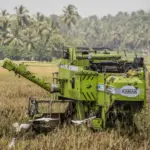
In teh ever-evolving landscape of global agriculture,where the demands of a burgeoning population clash with the urgent necessity for sustainable practices,rice stands out as a significant protagonist. Cultivated for thousands of years, rice has not only nourished cultures but has also adapted to shifting environmental and economic dynamics. Today, as the world grapples with the dual challenges of food security and ecological preservation, innovative processing techniques are emerging to redefine how we perceive and engage with this staple crop. “Beyond the Grain” delves into the transformative methodologies that are reshaping rice processing, paving the way for enhanced sustainability and improved quality. This article explores the convergence of tradition and technology, illustrating how modern approaches can elevate the impact of rice on both local communities and global markets, all while nurturing the planet we call home. Join us as we uncover the layers of innovation that promise to harvest a brighter, more sustainable future for one of humanity’s oldest staples.
Redefining Sustainability: The Untold Impact of Innovative Rice Processing on Environmental Footprints
innovative rice processing techniques offer a paradigm shift in how we perceive sustainability within agricultural practices. Traditionally, rice production has been associated with significant environmental drawbacks, including high water usage and greenhouse gas emissions during farming and milling. Though, emerging methods such as parboiling, biochar request, and the introduction of water-efficient technologies can significantly diminish these adverse effects. For instance, parboiling not only enhances nutritional value but also minimizes waste by improving the shelf life of rice. By incorporating circular economy principles, mills can recycle waste products into agro-ecological inputs, which mitigate both environmental footprints and the costs associated with conventional waste disposal.
Yet, embracing these innovations requires a careful weighting of trade-offs. While adopting advanced processing technologies may lead to reduced water and energy consumption, initial investments can be a barrier for smallholder farmers. Stakeholders must also consider the socioeconomic implications of scaling these technologies, as not all innovations will be accessible or applicable across diverse rice-growing regions. Establishing public-private partnerships can foster the sharing of knowledge and resources, ensuring that benefits are equitably distributed. Moreover, it’s essential to challenge the prevalent assumption that increased efficiency always translates to sustainability.A thorough analysis of the entire supply chain—considering labor conditions, resource distribution, and ecosystem impacts—is crucial for crafting holistic strategies that keep farmers’ livelihoods intact while promoting ecological integrity.

Quality Over Quantity: The Risks of Prioritizing Process Innovation in Global Rice Markets
In the quest for enhanced productivity and cost efficiency, the global rice market frequently enough leans heavily towards process innovations like mechanization and scale-up. However, this inclination can inadvertently prioritize *quantity over quality*, leading to significant risks.Accelerated processing techniques may yield more rice in less time,but they often compromise nutritional value and flavor—a critical aspect that affects consumer satisfaction and marketability. Sustainable practices that prioritize quality can help combat issues such as nutrient loss and diminished taste, proving that consumer preferences should guide technological advancements rather than merely pushing for higher output.
To navigate the delicate balance between innovation and quality,stakeholders must embrace a more nuanced view of sustainability that integrates both environmental and intrinsic product value. For example, investing in *organic farming practices* or *traditional processing methods* can have immediate and long-term benefits, offering premium products that command higher prices and foster better resilience against market fluctuations. Distinctions between different rice types, including heirloom varieties, merit attention as they provide unique flavors and health benefits that mass-produced options lack. Recommendations for rice producers include:
- adopting a dual approach: Integrate technological advancements while ensuring quality through selective processing methods.
- Fostering consumer education: Highlight the benefits of high-quality rice products to build awareness and demand.
- Encouraging collaborative practices: Engage with local farmers to preserve traditional techniques that enhance quality.
Behind the Hype: Reevaluating the Promise of Advanced techniques in Rice Processing and Their Hidden Costs
As the agricultural sector rapidly embraces advanced processing technologies in rice, it is crucial to step back and evaluate the true potential versus the actual pitfalls of these innovations. While technologies such as precision milling and enzymatic treatments promise enhanced quality and reduced waste, they often come with hidden costs that challenge the narrative of sustainability. factors to consider include:
- Resource Intensity: Advanced techniques frequently require significant energy and water resources, which can negate sustainability efforts, especially in regions struggling with resource scarcity.
- Economic accessibility: Not all rice producers can afford cutting-edge technologies, risking a widening gap between large agricultural enterprises and smallholder farms.
- Market Dynamics: There is a risk that the emphasis on processing innovations may overshadow the importance of traditional practices that also promote biodiversity and soil health.
Moreover, the overreliance on technological solutions may inadvertently lead to a homogenization of rice varieties—sacrificing flavor, nutritional diversity, and cultural importance in the process. This trade-off begs critical questions about the true definition of “quality” in rice production. It is essential for stakeholders to strike a balance between innovation and the preservation of local agricultural practices. A nuanced recommendation would prioritize research into hybrid models that integrate advanced techniques with traditional methods, ensuring that the benefits of modernization do not come at the expense of ecological and agronomic diversity. Before fully adopting new technologies, a thorough impact assessment should be a prerequisite, ensuring that the quest for efficiency does not undermine the multifaceted values of rice as a global staple.
Navigating Change: Assessing the Trade-Offs of New Rice Processing Methods on Smallholder farmers and Global Supply Chains
As the rice sector integrates innovative processing methods such as parboiling and micro-encapsulation, smallholder farmers find themselves at a crossroads. While these methods promise enhanced nutritional profiles and shelf life,they do not come without trade-offs. For smallholder farmers, adopting these technologies can lead to the following critical decisions:
- Investment vs. Return: The initial capital required for advanced processing techniques can be prohibitive. Farmers must weigh the cost of technology against potential yield improvements and market access.
- Quality vs. Tradition: Innovative methods may compromise traditional practices that have defined regional rice varieties. this raises questions about cultural preservation versus economic incentives.
- Scale of Production: Larger processors may dominate the market, marginalizing smallholders who struggle to compete with economies of scale, thereby intensifying income disparities.
To navigate these challenges effectively,nuanced recommendations are essential. one approach is fostering collaborative networks among farmers to share resources and knowledge, reducing the burden of upfront investment. Additionally, building consumer awareness around the benefits of sustainably processed rice can cultivate market demand for products originating from smallholders. It is also vital to advocate for policies that support small farmer access to processing technologies without undermining their traditional methods. Adaptability and adaptation are key—while technology can enhance productivity, maintaining a connection to agricultural heritage could prove equally vital in maintaining farmer loyalty and community resilience.
In retrospect
As we stand at the crossroads of tradition and innovation, the journey of rice transcends mere sustenance; it embodies a commitment to sustainability and quality that resonates throughout global agriculture. The innovative processing techniques explored in this article showcase not just advances in method, but a profound understanding of our interconnectedness with the earth.With each grain transformed, we move towards a future where agricultural practices honor both the planet and the consumer.
Embracing technology while respecting cultural heritage, the evolution of rice processing illuminates pathways to a more resilient food system. As we celebrate the achievements of those pioneering these methodologies, we are reminded that the conversation about food sustainability extends far beyond the fields. It urges us to reimagine our relationship with the resources we frequently enough take for granted.With a renewed focus on quality, efficiency, and environmental stewardship, the rice industry stands as a beacon for what is possible when innovation aligns with sustainability.
as we savor the diverse dishes that rice brings to our tables, let us also honor the story behind each grain—one of creativity, responsibility, and the relentless pursuit of a better tomorrow. The future of agriculture rests not solely on what we cultivate, but how we choose to cultivate it, and the grains of wisdom we gather along the way.