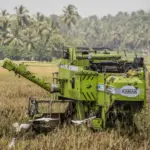
In a world where food security and sustainability are more pressing than ever, the humble grain of rice emerges as an unexpected hero. As the backbone of diets for over half the global population, rice holds the potential to address critical challenges in hunger and resource management. Enter the innovative rice processing plants, where cutting-edge technology meets age-old agricultural practices, promising to revolutionize the way we approach this staple crop. From advanced milling techniques that minimize waste to environmentally friendly processing methods that reduce carbon footprints, these facilities are not just reshaping rice but redefining global food systems.as we delve into the transformative power of these plants, we uncover how they stand at the nexus of nourishment and sustainability, paving the way for a future where no one goes hungry, and our natural resources are cherished rather than depleted. Join us on a journey beyond the grain, exploring the intersection of innovation and tradition that could ultimately secure a more resilient food landscape for generations to come.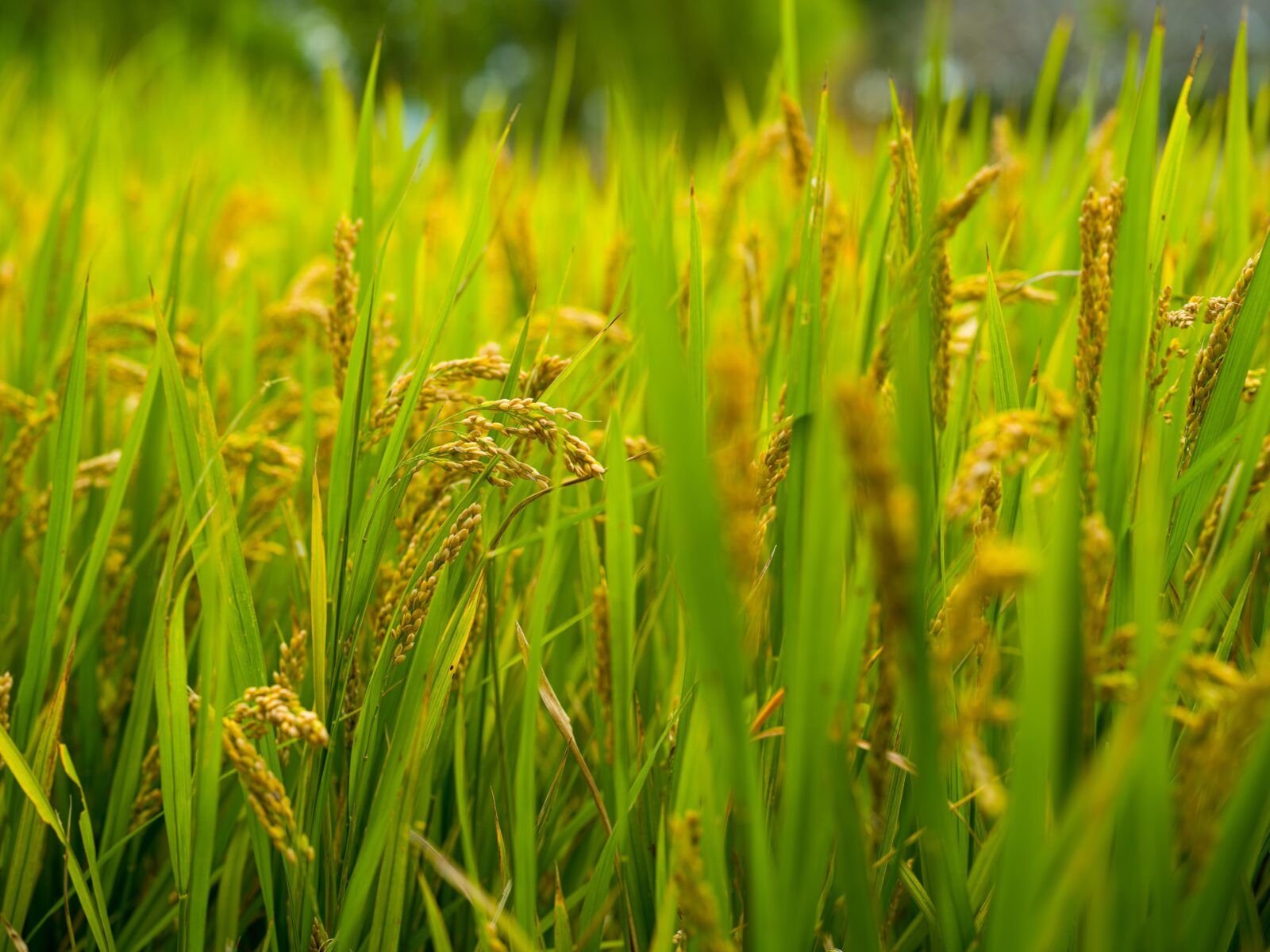
Revolutionizing Rice: Balancing Technological Advancements with Ecological Ethics
Technological advancements in rice processing plants are reshaping the agricultural landscape, yet they present a complex interplay between efficiency and ecological responsibility. On one hand, innovative techniques, such as precision milling and automated sorting, promise to significantly reduce waste and increase output. Though, these gains frequently enough come at the cost of biodiversity and soil health, notably if implemented without a regard for local ecosystems. In this very way, the challenge lies in determining which technologies genuinely enhance productivity without compromising ecological integrity. Key considerations include:
- Resource allocation: Prioritizing methods that recycle water and minimize energy consumption.
- Biotechnology use: Applying genetic modifications judiciously to develop pest-resistant strains while ensuring they do not encroach upon native varieties.
- Local involvement: Engaging with smallholder farmers to co-develop solutions that respect conventional practices and enhance food sovereignty.
Moreover, the trade-offs in selecting specific technological pathways are ofen oversimplified. For example, while intense mechanization may boost short-term outputs, it could precipitate long-term soil depletion and a reliance on chemical inputs, which destabilizes ecosystems. A more nuanced approach involves the integration of *Agroecology* and *Circular Economy* principles, where waste becomes a resource and agro-biodiversity is leveraged. Recommendations for stakeholders include the following:
| Stakeholders | Recommended Actions |
|---|---|
| Government | Incentivize sustainable practices through subsidies and training initiatives. |
| Producers | adopt integrated pest management (IPM) strategies that reduce chemical dependencies. |
| Researchers | Focus on developing low-input technologies that retain soil fertility and promote resilience. |
A critical assessment of these trade-offs will ultimately inform not only the sustainability of rice production but also its role in global food security. as we navigate this technological revolution,striking a balance between innovation and ecological ethics becomes paramount in crafting a future where food production and environmental stewardship go hand in hand.

The blind Spots of Innovation: Assessing the Unseen Costs of Modern Rice Processing
The leap towards innovative rice processing techniques—such as parboiling and automated milling—targets efficiency, yield, and sustainability. However, these advancements often obscure significant hidden costs that may undermine their intended benefits. As an example, while high-tech mills can dramatically increase output, they may also precipitate a loss of local jobs, given that mechanization reduces the demand for manual labor. Moreover, the introduction of centralized processing facilities can lead to logistical challenges, as smaller farmers may struggle to access these refined systems, perpetuating inequality within agricultural communities. Consider these critical trade-offs:
- Job Displacement: Automated processes, while efficient, frequently enough replace manual labor, threatening livelihoods in rural areas.
- Access Inequality: Smallholder farmers might potentially be marginally affected if they lack the access or resources to utilize advanced technology effectively.
- Environmental Trade-offs: Advanced processing may require more energy and water, thereby negating some sustainability gains.
Moreover, the focus on high-throughput production models can distract from the need for resilience in the face of climate change and economic fluctuations. Investing heavily in cutting-edge technology might yield short-term gains, but neglecting traditional practices can erode valuable cultural knowledge and adaptive strategies. It’s essential for stakeholders to strike a balance between innovation and tradition. Recommendations include:
| Advice | potential Benefit |
|---|---|
| Integrate localized processing innovations | Enhances accessibility and fosters community resiliency |
| Support training for smallholder farmers | Equips them with skills to leverage new technologies |
| encourage hybrid models of processing | Combines modern efficiency with traditional knowledge |
As the discourse on rice processing evolves, acknowledging these blind spots and fostering a holistic approach can amplify the benefits of innovation while safeguarding communities and the environment.
Beyond Efficiency: Exploring Alternatives to Conventional Rice Harvesting for Sustainable Futures
The Double-edged Sword of Progress: how New Rice Processing technologies Could Perpetuate Inequities
The innovative rice processing technologies heralded as breakthroughs in global food security and sustainability may unwittingly entrench existing inequities. While these advancements offer efficiencies and improved yields, they frequently enough require substantial capital investment and technical expertise that smaller, local farmers may lack. This leads to a two-tiered system where larger agribusinesses thrive at the expense of smaller producers, reinforcing economic disparities. The reliance on high-tech processes could also promote monoculture practices that favor specific rice varieties, sidelining traditional and indigenous strains critical for regional biodiversity and food heritage. as the industry adopts these innovations, stakeholders must rigorously evaluate the social implications—such as the potential displacement of traditional farming practices and dependency on technology—against the promise of increased productivity.
Moreover, the push for modernization may neglect to address underlying systemic issues like access to land, fair pricing, and farmers’ rights. The challenge lies in navigating the trade-offs between progress and equity by developing policies that not only incentivize technological adoption but also ensure inclusivity. As an example, incorporating cooperative models and local governance structures could facilitate shared access to new technologies among smallholders. investment in education and training is imperative, equipping local farmers with the skills needed to manage advanced processing techniques and empowering them to leverage these innovations rather than be outpaced by them. As the conversation around rice processing evolves, the focus must shift from merely increasing yield to creating a resilient ecosystem that supports equitable access and promotes sustainable practices across the agricultural landscape.
Concluding Remarks
As we stand on the precipice of a new era in agricultural innovation, the advancements in rice processing are more than just a technological revolution; they are a pivotal response to the pressing challenges of global food security and sustainability. By harnessing cutting-edge techniques and environmentally conscious practices, these innovative plants are not only increasing yields and reducing waste but are also paving the way for a more resilient food system.
In a world where every grain counts,the ripple effects of these breakthroughs extend far beyond the fields. They offer hope to communities grappling with hunger, empower farmers with better resources, and contribute to the preservation of our planet’s delicate ecosystems. As we reflect on the transformative potential of these processing plants,we are reminded that the journey towards a more sustainable future is a shared endeavor—one that requires collaboration,investment,and a commitment to nurturing both the land and its people.
Ultimately, the story of rice processing is a testament to human ingenuity and our collective capacity to innovate. As we look ahead, the ongoing evolution in this sector will undoubtedly unlock new pathways toward a food-secure world, reminding us that even in the simplest of grains, there’s remarkable potential waiting to be released. Together, let us embrace this journey, for in the grains of rice lies the promise of a more equitable and sustainable tomorrow.