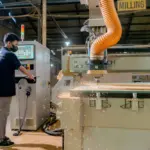
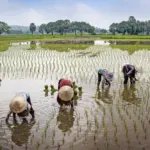
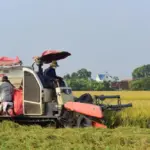
In the lush fields where golden grains sway gently in the breeze, rice remains a staple that feeds billions and sustains livelihoods across the globe. Yet, the journey from paddy to plate is fraught with challenges—inefficiencies that can diminish the yield and quality of this essential crop. Enter the world of combined rice milling machines, a groundbreaking innovation that is transforming the way we harvest, process, and distribute one of humanity’s oldest grains. By integrating multiple milling functions into a single, compact system, these machines promise not only to streamline production but also to enhance the quality and reduce waste. In this article, we’ll explore how this technological advancement is revolutionizing the rice industry, lighting the path toward a more efficient and sustainable future for farmers and consumers alike. Join us as we delve into the mechanics, benefits, and the far-reaching implications of embracing this powerful tool in rice cultivation and milling.
Transforming Traditional Methods with modern Milling Technology
The advent of modern milling technology has ushered in a new era for agricultural practices, particularly in rice production. Traditional methods, often reliant on manual labor and time-consuming processes, have effectively been enhanced by innovative machinery. These state-of-the-art combined rice milling machines streamline operations,substantially reducing the labor intensity typically associated with rice processing. Key advantages include:
- Increased Efficiency: Modern machines can process larger volumes of rice in a fraction of the time compared to traditional methods.
- Improved Grain Quality: Advanced techniques help maintain the nutritional integrity and appearance of the rice.
- Resource Optimization: reduced water and energy consumption contributes to more sustainable farming practices.
With these advancements, farmers can achieve a remarkable transformation in their output quality and quantity. The integration of smart technology in milling machines not only enhances productivity but also allows for real-time monitoring of processes. these machines often include features such as:
| Feature | Benefit |
|---|---|
| Automated Operations | Minimizes manual intervention, allowing for consistent quality. |
| Versatile Settings | Adapts to different types of rice and moisture content. |
| Compact Design | Ideal for small farms with limited space. |
Embracing these technologies not only helps farmers to keep pace with global demands but also supports a shift towards more sustainable agricultural practices. As traditional methods evolve through integration with modern machinery, the rice milling industry is poised for a notable transformation.

Enhancing Efficiency and Quality in Rice production
In the ever-evolving landscape of agricultural technology, combined rice milling machines stand at the forefront of innovation, addressing the critical need for greater efficiency and enhanced quality in rice production. These state-of-the-art machines streamline the complex process of harvesting and milling, effectively reducing both time and labor costs. With features designed for optimal performance, thay enable farmers to maximize output while minimizing waste, ensuring that more of the rice harvested is preserved in its finest form. The integration of cutting-edge technologies, such as automated controls and precision milling techniques, further enhances the grain quality by adjusting settings according to the specific type of rice being processed.
The advantages of adopting combined rice milling machines are multi-faceted, catering not only to farmer needs but also to market demands. The interconnected aspects of productivity and quality assurance elevate the entire production cycle, leading to more reliable and profitable outcomes. Consider the following benefits:
- Time Efficiency: Reduced milling times allow for prompt distribution.
- Improved Grain Quality: Precise milling enhances appearance and texture.
- Labor Reduction: Automated processes decrease reliance on manual labor.
- Cost-Effective: Lower overall production costs lead to better profit margins.
To further illustrate these benefits, here’s a simple comparison of traditional vs. combined milling machinery:
| Feature | Traditional Milling | combined Milling machines |
|---|---|---|
| Processing Time | Longer | Shorter |
| Grain loss | Higher | Lower |
| Labor Intensity | High | Reduced |
| Quality control | Basic | Advanced |
Sustainability Considerations in Combined Rice milling Solutions
In today’s fast-paced agricultural landscape, the move towards eco-kind practices has become essential. Combined rice milling solutions not only streamline processing but also significantly enhance sustainability through the reduction of energy consumption and waste. By integrating multiple functions into a single machine, these systems minimize the need for separate equipment, thereby decreasing the carbon footprint associated with rice milling operations.The incorporation of energy-efficient motors and the use of renewable energy sources further contribute to a more sustainable model by lowering overall operational costs while preserving environmental integrity.
Additionally, the implementation of advanced technologies in combined milling machines supports sustainable agriculture by promoting efficient resource use. This encompasses:
- Water conservation: Utilizing systems that require less water for processing.
- Waste management: Transforming by-products into valuable assets, such as biofuels or animal feed.
- soil health: Facilitating the return of organic matter to fields through recycling of husks and bran.
Moreover, the use of modular designs allows for easy upgrades, ensuring longevity and adaptability to new sustainable practices as they emerge. By investing in combined rice milling machines,farmers not only contribute to reducing environmental impact but also achieve greater economic resilience in a rapidly changing agricultural industry.
Future Trends and Innovations in Milling Machinery
As the agricultural landscape continues to evolve, the milling machinery sector is poised for groundbreaking developments that promise to enhance productivity and efficiency. Future innovations will likely incorporate smart technology to facilitate greater precision in milling processes. Advancements such as AI-driven analytics can optimize the milling parameters and minimize waste, while real-time monitoring systems will ensure that machinery operates at peak efficiency. Furthermore, the integration of IoT (Internet of Things) can help farmers manage their milling operations remotely, providing insights into machine performance and maintainance needs on-the-go.
Another exciting trend lies in the sustainability of milling practices. There is a growing emphasis on machines designed to use renewable energy sources, reducing the environmental impact of rice milling. Innovations in materials science are also paving the way for lighter, more efficient machinery that reduces energy consumption.Additionally, the emergence of modular milling units allows for scalability, enabling farmers to adjust their operations in response to changes in production demand.These future developments promise not only to augment the efficiency of rice production but also to ensure its sustainability for generations to come.
Concluding Remarks
As we stand on the brink of a new era in agricultural technology, the advent of combined rice milling machines marks a pivotal moment for farmers and food producers across the globe. These innovative machines not only streamline the milling process but also enhance efficiency and sustainability, ultimately bridging the gap between traditional practices and modern demands. With their capacity to optimize every stage of rice processing—from harvesting to packaging—they symbolize a revolution that holds immense potential for food security and economic growth.
As we conclude our exploration of this transformative technology,it’s clear that the future of rice milling is more than just about mechanization; it’s about rethinking our approach to agricultural practices in a way that respects our resources and empowers communities. the ongoing evolution of combined rice milling machines is a testament to human ingenuity, merging traditional knowledge with cutting-edge technology to foster a sustainable and prosperous future.
In the journey towards revolutionizing harvests,the integration of these machines serves as a reminder that progress often lies in the ability to adapt and innovate. As we embrace the possibilities ahead, it is our collective obligation to ensure that this progress uplifts every stakeholder in the agricultural chain. The power of combined rice milling machines is just the begining; the true engine of transformation lies within our hands and hearts, driven by a commitment to sustainability, efficiency, and community empowerment in the agricultural landscape.