
In the world of rice processing, efficiency and quality are paramount. As small-scale farmers and processors seek ways to enhance their operations, portable milling machines have emerged as a versatile solution, bridging the gap between traditional methods and modern technology. However, selecting the right milling machine can be daunting, with a myriad of options available that promise various advantages. This article delves into the essential considerations for optimizing your rice processing experience. By understanding the nuances of portable milling machines, from operational pitfalls to maintenance best practices, you can transform your rice milling process into a streamlined, cost-effective venture that not only boosts your profit margins but also enhances the quality of your yield. Join us as we explore the key tips that will empower you to make informed decisions and elevate your rice processing game.
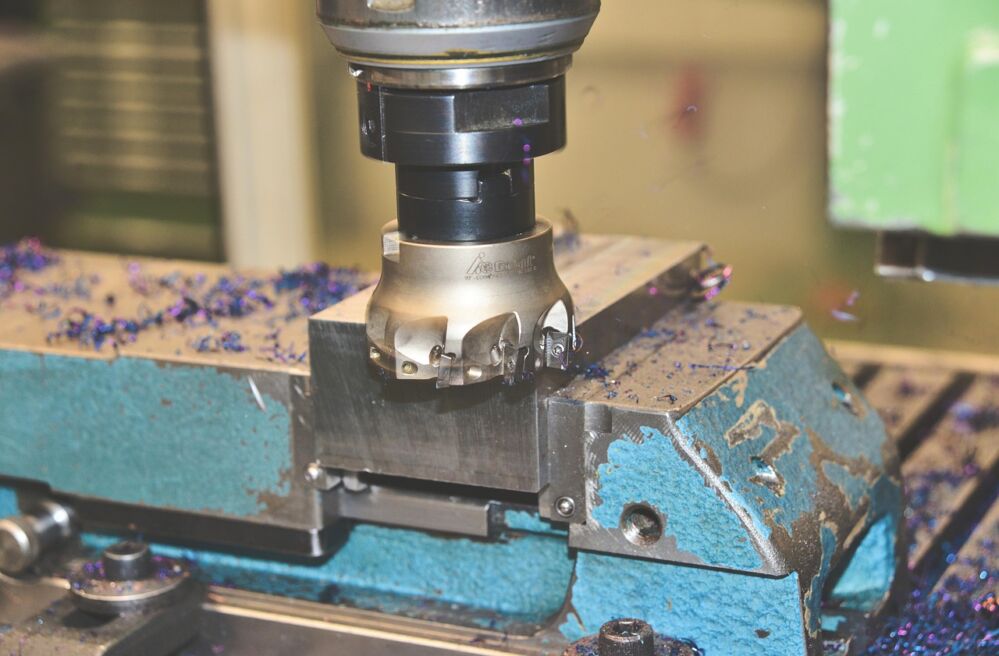
Overcoming Common Pitfalls: Key Factors to Consider When Operating Portable Rice Milling Machines
Operating portable rice milling machines effectively requires attention to detail and proactive measures to avoid common pitfalls. One critical factor is understanding the machine's capacity and matching it with your production needs. For example, if your machine has a capacity of 300 kg per hour, but your processing demand peaks at 500 kg, you will face delays and reduced efficiency. Additionally, monitoring moisture content in the rice is essential; ideally, it should be around 14% for optimal milling. Too much moisture can lead to clogs and poor milling quality, while too little can cause breakage. Regularly check moisture levels with a moisture meter and adjust drying methods accordingly.
Another common mistake is neglecting operator training. Inadequately trained personnel may misuse the machine, leading to mechanical failures or inefficient processing. For instance, improper feeding techniques can increase waste and reduce output quality. Implementing a simple training program that covers machine operation, troubleshooting, and maintenance can significantly improve performance. Additionally, establish a checklist for pre-operation inspections that includes examining belts and pulleys for wear, ensuring all safety guards are in place, and verifying that all settings are correct. This proactive approach can minimize downtime and enhance overall productivity.
Boosting Profit Margins: How to Optimize Your Portable Rice Milling Process
To boost profit margins in your portable rice milling process, focus on optimizing the workflow and reducing waste. Start by conducting a thorough analysis of your milling operation. This includes assessing the time taken for each milling cycle and the amount of rice husk and broken rice generated. Aim for a husk-to-grain ratio that minimizes waste; ideally, this should not exceed 15%. Implementing a process flowchart can help identify bottlenecks and streamline operations. For instance, if your machine frequently jams, consider adjusting the feed rate or upgrading to a model with a better feed mechanism to reduce downtime.
Additionally, prioritize the quality of your raw materials. Sourcing high-quality paddy rice not only improves the milling yield but also enhances the final product’s marketability. Establish relationships with reliable suppliers and conduct regular quality checks on incoming rice. Consider setting up a feedback loop where you gather data on milling efficiency and product output, allowing you to make informed decisions. For example, if you notice specific batches yield lower quality rice, investigate the source and adjust your procurement strategy accordingly. By aligning your milling process with quality inputs and efficient operations, you can significantly enhance your profit margins.
Avoiding Costly Mistakes: Essential Maintenance Tips for Portable Rice Milling Machines
Routine maintenance is crucial to the longevity and efficiency of your portable rice milling machine. Regularly inspect and clean the machine components, including the hoppers, augers, and milling chambers, to prevent clogs and ensure smooth operation. A buildup of rice husks or dust can lead to overheating and mechanical failures. Create a maintenance schedule that includes daily checks for loose bolts and wear on belts, as these are common failure points. For example, tightening belts can enhance power transfer and efficiency, while replacing worn parts promptly can prevent costly downtime.
In addition to routine checks, it’s essential to use the right lubricants on moving parts. Opt for high-quality, machine-specific oils that can withstand the heat generated during operation, as this reduces friction and prolongs component life. Monitor the machine’s performance by keeping track of output rates and quality. If you notice a drop in milling efficiency, investigate potential causes, such as dull blades or incorrect settings. Implementing a simple log system can help you identify patterns and anticipate maintenance needs. For instance, if blade replacements are required every 100 hours of operation, plan for this downtime in advance to minimize disruptions.
Enhancing Yield Quality: Strategic Techniques for Effective Portable Rice Milling
To enhance yield quality in portable rice milling, implement a few strategic techniques focused on optimizing the milling process and machine settings. First, calibrate your machine according to the specific rice variety you are processing. Different types of rice have unique hardness levels and moisture contents, which can affect the milling outcome. For instance, if you are milling Jasmine rice, set your machine for a gentler milling action to preserve its fragrance and texture, while for harder varieties like Basmati, a firmer setting may be more appropriate. Additionally, regularly monitor moisture content before milling; ideal moisture levels range between 13-15%. A simple moisture meter can provide quick readings to help adjust the drying process if necessary, ensuring that the rice does not crack or break during milling.
Moreover, consider implementing a two-pass milling system. This technique involves milling the rice twice, first to remove the husk and then to polish the grains. This not only improves the overall yield but also enhances the quality of the final product. Ensure that you clean the milling chamber thoroughly between passes to prevent cross-contamination and maintain optimal quality. It’s essential to avoid over-milling, as this can lead to excessive broken grains and loss of quality. By keeping an eye on the extraction rates—ideally aiming for 68-72% for white rice—processors can better gauge their efficiency and adjust settings accordingly. Implementing these targeted strategies will significantly elevate the quality of rice produced, leading to better marketability and higher profits.
Final Thoughts
As you embark on your journey to optimize rice processing with the right portable milling machine, remember that every detail counts. By carefully selecting the machine that best fits your needs, being mindful of operational pitfalls, and committing to regular maintenance, you can significantly enhance both efficiency and quality. Implementing strategic techniques tailored to your specific rice varieties will not only improve yield but also boost your profit margins. Embrace these insights and take your rice milling operations to new heights, ensuring that your efforts contribute to a more sustainable and prosperous agricultural future.