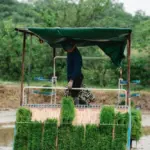
In the heart of rural landscapes, where the rhythm of life has long been dictated by the seasons, a quiet revolution is taking place. The mini rice polisher, a humble yet transformative tool, is bridging the gap between ancient agricultural practices and modern efficiency. As farmers dust off their traditional methods and marry them with innovative technology, a new chapter unfolds—one that celebrates heritage while addressing the pressing challenges of contemporary rice production. This article delves into the stories behind this revival, exploring how the mini rice polisher is not just a machine, but a beacon of hope for communities striving to honor their past while forging a sustainable future.
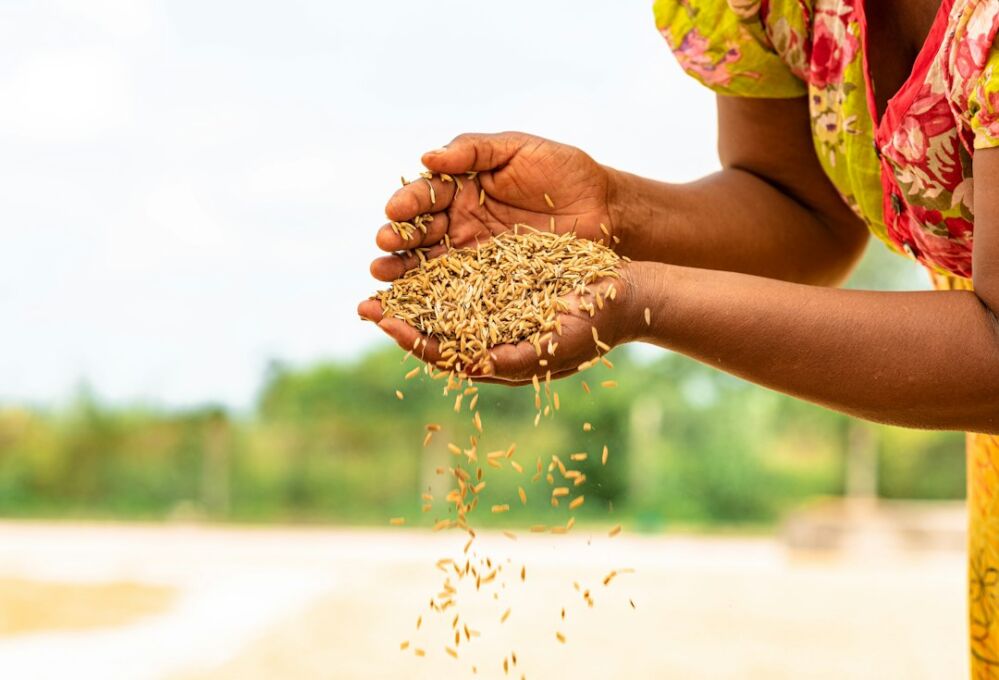
Reviving Heritage: The Stories of Farmers Who Embraced the Mini Rice Polisher
In the village of Sonapur, farmers once relied on traditional methods to process their rice, often spending long hours laboring over hand-pounding and winnowing. When the mini rice polisher was introduced, it wasn't just a machine; it became a beacon of hope. Rajesh, a local farmer, hesitated at first, fearing that this new technology might undermine the time-honored practices passed down through generations. But after witnessing a neighbor's successful transition, he decided to take the leap. The first time he used the polisher, he was astonished by how quickly he could process his harvest. The polished grains were not only visually appealing but also fetched a higher price at the market. This unexpected financial boost allowed Rajesh to invest in his children's education, a dream he had previously thought unattainable.
Similarly, in the neighboring village of Keshavpur, a group of women banded together to purchase a mini rice polisher for their community. Initially, they faced skepticism from their families, who believed that the traditional methods were sufficient. However, after a few weeks of using the polisher, the women demonstrated remarkable results. The polished rice was met with enthusiasm from local buyers, significantly increasing their sales. This newfound income empowered them to form a cooperative, enabling further investments in sustainable farming practices and community projects. They learned that embracing innovation did not mean abandoning their heritage; rather, it enriched their traditions and strengthened their community bonds. The contrast between their initial fears and the subsequent success highlights a pivotal lesson: adaptation can coexist with tradition, fostering both economic growth and cultural preservation.
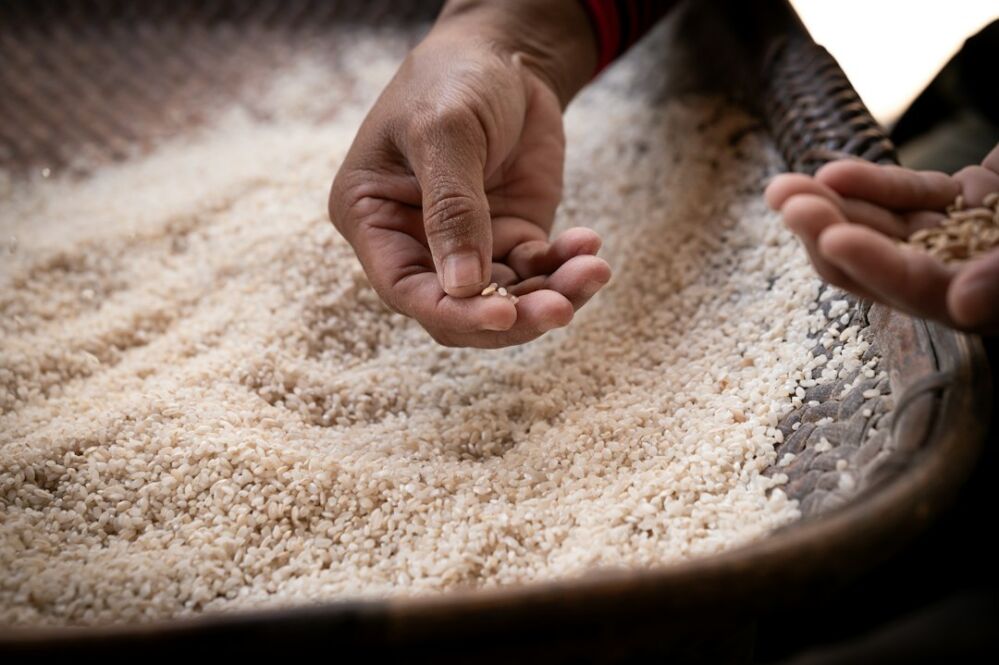
Navigating Challenges: Balancing Tradition with Modern Technology in Rural Rice Production
In rural rice production, the introduction of the mini rice polisher has presented both opportunities and challenges that require careful navigation. For farmers like Priya from the village of Khamar, the decision to adopt this technology was not without hesitation. Initially, she feared that using a machine would diminish the cultural significance of their traditional methods, which had been passed down through generations. Priya recalls a pivotal moment when a neighboring farmer shared his experience of increased yield and reduced labor costs after embracing the polisher. This inspired her to weigh her options, leading to a decision that combined the best of both worlds—retaining traditional practices while enhancing efficiency and quality.
As farmers adapt to this new technology, they encounter various challenges, including the need for training and the upfront costs of purchasing a mini rice polisher. In a recent workshop organized by the local agricultural cooperative, farmers gathered to learn about the machine’s operation and maintenance. The sessions revealed stark contrasts between expectations and reality; many farmers expected immediate results but found that adaptation required time and effort. Through collaboration, they shared lessons learned, such as the importance of proper machine care to maximize its lifespan and efficiency. This community-driven approach not only fosters a sense of solidarity but also highlights the potential for modern technology to coexist with tradition, ensuring that rural rice production remains vibrant and sustainable.
- Key Challenges Faced:
- Training and skill development
- Initial investment costs
- Adapting traditional practices
- Community Solutions:
- Workshops for hands-on learning
- Sharing experiences among farmers
- Collaborative maintenance programs
Harvesting Hope: Lessons Learned from Communities United by the Mini Rice Polisher
In the small village of Dhanpur, the introduction of the mini rice polisher sparked unexpected community collaboration. Farmers, initially skeptical of this new technology, gathered for a demonstration organized by a local NGO. Among them was Ramesh, a seasoned farmer known for his traditional methods. As he watched the polisher transform raw grains into gleaming rice in mere minutes, his expectations began to shift. What started as a mere curiosity turned into a decision moment for Ramesh. He joined hands with younger farmers who embraced innovation, forming a cooperative that pooled resources to invest in multiple polishers. Together, they shared knowledge, training each other on best practices for using the machines, and soon transformed their collective harvests into higher-quality products.
This newfound unity did not come without its challenges. Many farmers had expected immediate financial gains, but the initial investment in the equipment created some financial strain. However, through open discussions and sharing experiences, they learned valuable lessons about patience and strategic planning. Key takeaways from their journey included:
- Community Support: The importance of relying on each other for encouragement and advice.
- Adaptability: Understanding the need to adjust traditional practices to incorporate new technologies.
- Quality Over Quantity: Focusing on the quality of the rice rather than just the volume harvested.
As a result, the village not only saw an increase in income but also a strengthened sense of community, with farmers celebrating their shared successes during local festivals, showcasing the improved quality of their rice.
In Summary
As we reflect on the impact of the mini rice polisher, it becomes clear that this unassuming device is more than just a tool; it is a catalyst for change, bridging the past and the future. By embracing this innovation, rural communities are not only enhancing their agricultural practices but are also rekindling a sense of heritage and cooperation among farmers. The journey is not without its challenges, yet the stories of resilience and unity reveal a powerful narrative of hope. In the dance between tradition and modernity, the mini rice polisher stands as a symbol of progress, inspiring a new generation to cherish their roots while reaching for the future. As we move forward, let us continue to support these rural transformations, ensuring that the light of tradition shines brightly alongside the promise of innovation.