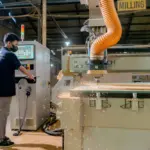
In the heart of agricultural innovation, rice milling stands as a pivotal process that transforms harvested grains into the staple staple we all know and love. With increasing demands for efficiency and quality in food production, selecting the right combined rice milling machine has never been more critical. This practical guide aims to navigate the intricate landscape of rice milling technology, helping you make informed decisions that align with yoru processing needs. From understanding the various machine types and their functionalities to evaluating performance metrics and industry standards, our exploration will empower you to maximize both efficiency and quality. Whether you are a small-scale farmer or a large milling enterprise, the right equipment can enhance productivity, preserve grain integrity, and ensure that each kernel meets the highest standards of excellence. Join us as we delve into the essential factors to consider when choosing the optimal milling solution for your rice processing endeavors.
Maximizing Efficiency: How to choose and Operate a combined Rice milling Machine for Optimal Grain Quality and Cost Savings
When selecting a combined rice milling machine, efficiency and grain quality should be your top priorities. Begin by researching machines that offer adjustable milling settings to cater to different rice varieties and desired grain quality. Look for features such as:
- Dual milling options: A machine with both husking and whitening capabilities can streamline processes and reduce handling time.
- Power efficiency: Models that operate with lower energy consumption while maintaining high output rates can definitely help reduce operational costs.
- Easy maintenance: Machines with accessible parts for cleaning and servicing can save time and extend the lifespan of your equipment.
Furthermore, it is essential to check if the machine is equipped with automatic grain separation and de-stoning capabilities. these features decrease the likelihood of contaminants affecting the final product. Be cautious, as selecting a machine that is overly complex may lead to operational difficulties—sometimes simpler, reliable machines provide better overall efficiency. Monitor common issues such as inconsistent milling results or excessive grain breakage, and ensure the machine has a reliable warranty and support services. A detailed inspection of the mechanical components and feedback from other users can provide insights into performance reliability and efficiency.
Concluding Remarks
In a world where efficiency and quality reign supreme, the right combined rice milling machine can transform your rice processing operations from ordinary to exceptional. Armed with the insights and strategies outlined in this guide, you are now equipped to make an informed decision tailored to your unique needs. As you venture into the intricate landscape of rice milling technology, remember that investing time and resources into selecting the ideal machinery is not just about immediate gains but also about setting the foundation for sustainable growth and higher product standards in the long run. By prioritizing the right features and understanding your operational requirements, you can cultivate a workflow that balances productivity with excellence. Hear’s to elevating your rice processing endeavor—may your choice lead to bountiful harvests and satisfied customers.