Understanding Rice Mills: Their Role in Grain Processing,Economic Impact,and Lasting Practices
In the heart of many rural landscapes,where sprawling fields of golden rice sway gently in the breeze,lies a vital yet often overlooked cog in the agricultural machinery: the rice mill. These installations are more than mere processing facilities; they are the lifeblood of an industry that feeds billions and plays a pivotal role in the global economy. As populations surge and climate challenges mount, understanding the intricate workings of rice mills becomes increasingly crucial. From their technical processes that transform raw grains into market-ready products to their economic significance in local and international markets, rice mills serve as a bridge connecting farmers, consumers, and economies. Furthermore, as sustainability takes precedence in today’s world, the evolution of rice milling practices offers insight into how tradition and innovation can harmonize. join us as we delve deeper into the multifaceted role of rice mills, exploring their impact on grain processing, their economic importance, and the sustainable practices redefining their future.
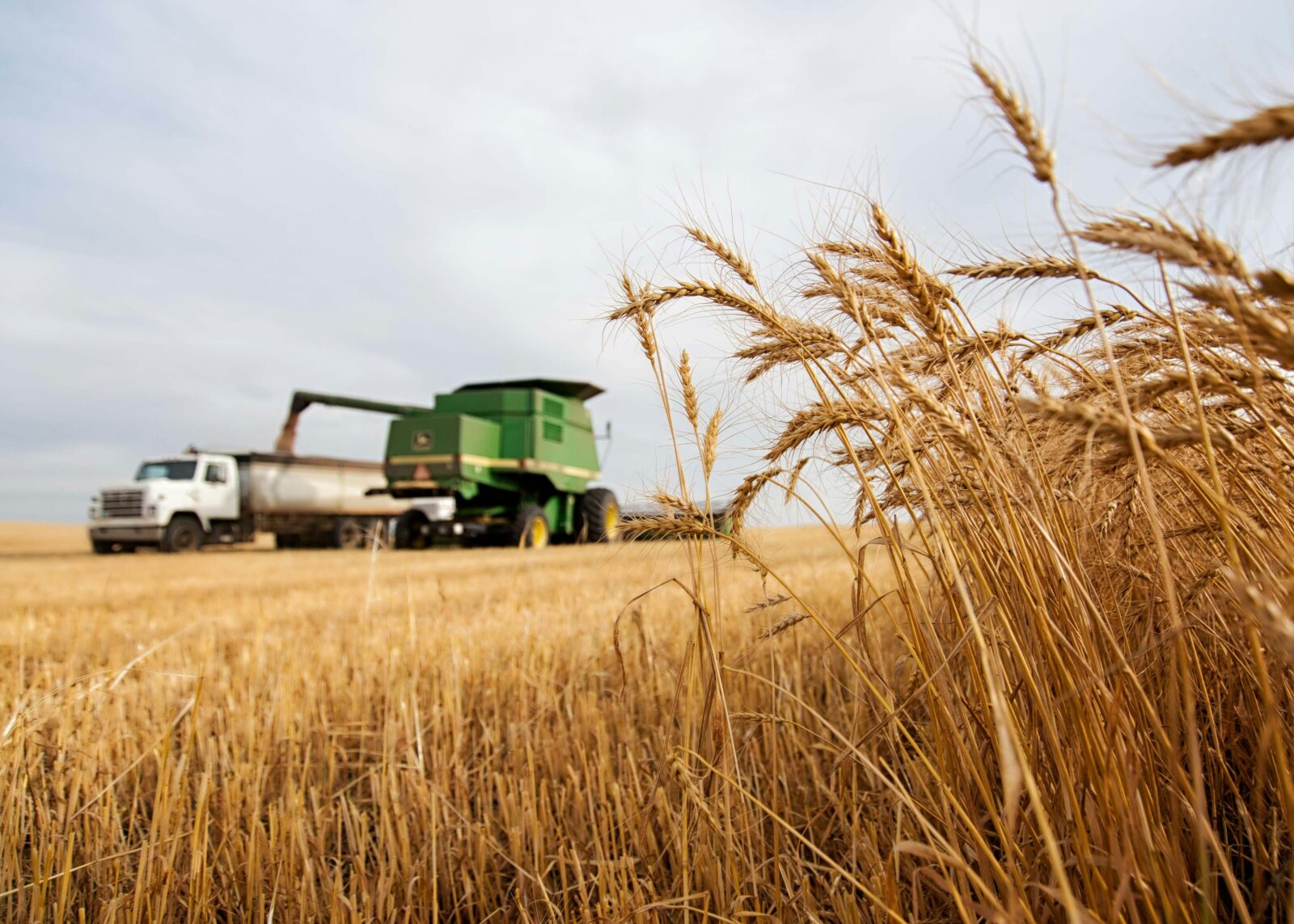
Exploring the Grain Processing journey from Paddy to Rice
The grain processing journey from paddy to rice involves several critical steps that can considerably impact the quality and economic value of the final product. To ensure a accomplished processing journey, it’s essential to pay attention to the following practices:
- Selection of High-Quality Paddy: Always source paddy from reputable suppliers. Check for moisture content (ideally between 14% and 18%) to prevent spoilage during storage.
- Pre-Cleaning Process: Implement a thorough pre-cleaning stage to remove impurities like stones, dust, and broken grains. This step is crucial as impurities can damage milling machinery and lead to product contamination.
- Water Management: During the soaking phase, maintaining optimal water temperatures can enhance kernel quality. Cold soaking (around 25°C) is often more beneficial than hot soaking, improving the overall milling performance.
As you further explore the milling process, be vigilant about potential pitfalls that can compromise your output:
- Consistent monitoring: Regularly check milling machines to prevent mechanical failures. A scheduled maintenance program can mitigate unexpected downtimes.
- Quality Assurance: Implement a testing protocol to assess the finished rice for broken grains and silt content. Establishing a grading system can definitely help you identify when production meets market standards.
- Efficient waste Management: Take advantage of by-products such as husk and bran,which can be sold or utilized for animal feed,enhancing profitability.
The Economic Ripple Effect of Rice Mills on Local Communities
is profound, influencing various sectors beyond agriculture. when choosing to engage with or invest in a rice mill, consider the following key factors:
- Job Creation: Rice mills provide employment opportunities for local populations. Check the millS capacity and the number of jobs it creates. For example, a mill processing 1 ton of rice per hour can directly support 10-15 jobs, including operators and maintenance staff.
- Support for Farmers: Local rice mills often engage directly with farmers for sourcing raw materials. Evaluate the mill’s procurement practices—do they offer fair pricing and timely payments? Mills committed to ethical standards may help farmers secure better market positions.
- Value Addition: Look for mills that add value to rice through packaging and branding. This can increase local revenue. Assess whether the mill is utilizing innovative techniques to produce organic or specialty rice, appealing to broader markets.
however, several pitfalls can undermine these benefits:
- Lack of Transparency: Be wary of mills that do not disclose their labor practices or sourcing origins, as this can reflect unethical operations.
- Environmental Impact: Poorly managed mills can cause pollution and resource depletion. Check if the mill has sustainable practices in place, such as waste recycling or energy-efficient processes.
- Supply Chain Vulnerabilities: Ensure that the mill has a diverse supplier base to mitigate risks associated with reliance on single sources for rice. Mills that foster strong local partnerships tend to be more stable.
By focusing on these specific criteria, stakeholders can make informed decisions that not only enhance local economies but also promote sustainable agricultural practices.
Sustainable Practices in Rice Milling: Balancing Productivity and responsibility
Sustainable practices in rice milling demand a careful balancing act between maintaining productivity and minimizing environmental impact.To make smarter choices, rice mill operators should prioritize the adoption of energy-efficient machinery and practices. Look for equipment that utilizes less water and energy during processing, as this not only reduces costs but also conserves vital resources. As an example, mills that implement advanced drying systems, such as solar or biomass dryers, can significantly decrease dependency on fossil fuels while maintaining quality. Regular maintenance checks should be performed on milling equipment to ensure optimal performance, as inefficient machinery consumes more energy and leads to higher emissions.
Another key focus should be on waste management and by-products utilization. Instead of discarding rice husks and bran, which can generate significant waste, consider how these by-products can be repurposed. Integrating a biomass energy system can enable the conversion of husks into energy, effectively closing the sustainability loop. additionally, prioritize partnerships with local farmers or food producers who can use these by-products as animal feed or fertilizer. Here’s a checklist to implement sustainable practices effectively:
- Energy Efficiency: Invest in machines that are certified for energy conservation.
- Water Usage: Monitor and implement water-saving technologies.
- Waste Utilization: Set systems in place for recycling husks and bran.
- Regular Training: Educate staff on sustainable practices and machinery upkeep to prevent inefficiencies.
| By-product | Use |
|---|---|
| Rice Husk | Biofuel, animal bedding |
| Rice Bran | Animal feed, cooking oil |
Innovations in Rice milling technology: Enhancing efficiency and Reducing Waste
Innovations in rice milling technology focus on increasing efficiency and reducing waste, which can significantly impact profitability for mill operators. To ensure you are leveraging the latest advancements, consider implementing the following practices:
- Invest in automated Milling Systems: Modern automated systems can streamline the milling process, reducing the risk of human error and increasing output. Look for mills with integrated sensors that monitor moisture levels, ensuring optimal milling conditions and preventing over-processing, which commonly leads to nutrient loss.
- Adopt Energy-Efficient Machinery: Utilizing machines that operate with lower energy consumption not only reduces costs but also minimizes the carbon footprint. brands like Satake and Bühler have introduced energy-efficient models that can lower energy use by up to 30% compared to older models.
Review your current equipment’s performance metrics to identify potential inefficiencies.Common issues include:
| Common Issues | Potential Fixes |
|---|---|
| Excessive broken rice due to incorrect settings | Regularly calibrate machinery and train staff on optimal settings for different rice varieties. |
| High energy costs | Conduct an energy audit to identify high-consumption machines, and consider upgrading to newer, more efficient models. |
Also, explore techniques like wet-milling, an option that can enhance the quality of the final product and reduce waste. Engaging with local agricultural universities or technology providers for training on these innovations can be invaluable. By making informed, strategic decisions about equipment and processes, rice mill operators can maximize efficiency while minimizing waste, ultimately leading to a more sustainable and profitable operation.
Wrapping Up
As we conclude our exploration into the world of rice mills, it becomes clear that these establishments are far more than mere facilities for processing grain. They are vital cogs in the machinery of agriculture, bridging the gap between the farmer’s field and the consumer’s plate. Understanding their multifaceted role not only sheds light on their economic impact—supporting livelihoods, stimulating local economies, and feeding millions—but also highlights the importance of sustainable practices that can preserve this essential resource for generations to come.
In an era where food security and environmental responsibility take center stage, rice mills stand at the crossroads, facing the challenge and possibility to innovate. By embracing modern technologies and sustainable practices, they can enhance efficiency while minimizing their ecological footprint. As stakeholders in the grain processing sector work together to advocate for responsible policies and practices, the rice mill of the future can fulfill its promise—not just as a symbol of agricultural progress, but as a cornerstone of global sustainability.
Let us celebrate the resilience and adaptability of rice mills, recognizing their crucial responsibilities within our food systems. As we look to the future, may our collective efforts ensure that these institutions thrive, paving the way for a more sustainable and equitable agricultural landscape. In doing so, we not only honor the grain itself but also the countless individuals who depend on it—a testament to the enduring legacy and significance of rice in our world.