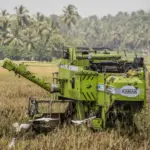
In the realm of agricultural innovation,few advancements have been as transformative as the rise of combined rice mills.These integrated systems represent a fusion of conventional practices and modern technology, streamlining the labor-intensive processes of rice production into a seamless operation.As the global demand for rice continues to soar, understanding how these combined milling processes enhance efficiency and yield becomes increasingly vital for farmers, investors, and consumers alike. This article delves into the mechanics of combined rice mills, illuminating how thay optimize production while ensuring quality and sustainability in this staple crop. Join us as we explore the intricacies of these systems and uncover their pivotal role in reshaping the future of rice agriculture.
Exploring the Mechanics of Combined Rice Milling Technologies
When exploring combined rice milling technologies, it’s essential to assess the specific components of the machinery and how they integrate to optimize the milling process. Key aspects to check include:
- Feeding Mechanisms: Ensure that the feeder is adjustable for various grain qualities and can efficiently handle different moisture levels. Look for models that include automatic feed rate controls.
- Separation Systems: Check the effectiveness of the hullers and separators. A well-engineered separation system will minimize broken kernels and waste by ensuring a thorough separation of husk and brown rice.
- Polishing Units: Evaluate the polishing function,as over-polishing can lead to meaningful weight loss and quality degradation. Ideal units will allow precision adjustments to achieve the desired sheen without compromising yield.
Common pitfalls to avoid include underestimating the machine’s capacity requirements.A mill that can’t meet production demands can lead to bottlenecks. It’s advisable to calculate your expected output against machine specs meticulously. For smarter choices, consider machines with energy-efficient designs, like variable speed drives, which save costs in the long run. Investing in equipment that offers modular capabilities can also be favorable; this allows for future upgrades as technology improves without needing to replace the entire system. Moreover, leverage maintenance schedules to ensure peak performance; regular cleaning and adjustments can prevent common issues like clogging or wear and tear. Consult with current users and read case studies of integrated milling operations to glean practical insights on operational challenges and best practices.

Maximizing Output: The Role of Integrated Processes in Rice yield
To maximize the output from combined rice mills, it is indeed crucial to implement integrated processes that streamline each stage of production. Start by assessing your milling equipment for compatibility with various rice varieties. for example, not all mills are designed to effectively process both long-grain and short-grain rice; operating a mill with the wrong specifications can lead to excessive broken rice and decreased yield. Regular maintenance checks and calibration will ensure that machinery performs at its best. Additionally, invest in moisture control systems; rice grains with higher moisture content can deteriorate quickly and affect milling efficiency. Installing these systems helps maintain optimal moisture levels, thus preserving grain integrity and maximizing yield potential.
Workflow optimization is another critical component in integrated processes that often goes wrong.Often, operators overlook the order of operations during milling, which can lead to bottlenecks. Implement the following checklist to streamline workflow:
- Evaluate the order of milling steps—ensure pre-cleaning precedes dehusking to prevent clogging.
- Monitor and adjust the speed of conveyors between processing stages to match capacity and prevent delays.
- Regularly retrain staff on operating procedures to minimize errors during peak times.
Moreover, choosing the right by-products for secondary processes can substantially enhance profitability. For instance,utilize husk for biomass energy production to offset energy costs,or consider milling by-products like rice bran for animal feed or oil extraction,maximizing the total output from each crop unit. Making smarter decisions about integrated processes not only lowers operational costs but also contributes to the overall efficiency and sustainability of your rice production efforts.
choosing the Right Equipment: key Considerations for Efficient milling
When selecting equipment for combined rice milling, it’s crucial to assess both the specific needs of your operation and the inherent features of the machines. Begin by evaluating the capacity requirements of your milling process. Consider the quantity of paddy you intend to process daily and align it with the mill’s capacity specifications. For instance, if your farm produces around 2 tons of paddy per day, look for a mill capable of handling at least 2.5 tons to account for variations in efficiency and potential downtimes.Additionally, ensure that the machinery can process both wet and dry paddy, as this adaptability can prevent losses during harvest seasons that may result in higher moisture content. Pay special attention to the energy consumption ratings of the milling equipment, as mills with lower energy requirements can significantly reduce operational costs.
Another critical aspect is evaluating the quality of milling and the potential for yield losses. Research brands known for their ability to minimize broken rice percentages—typically, a high-quality combined rice mill should achieve a broken grain rate of less than 5%. Invest in models that feature advanced technology such as rubber roll huskers and double-pass milling systems, which enhance hull removal and improve overall grain quality. Check for user-reviews or testimonials regarding machine durability and maintenance requirements since equipment frequently requiring repairs or parts replacement can escalate costs.Lastly, consider establishing a partnership with suppliers or service technicians who have a strong reputation in the market so you can swiftly address any operational issues that arise, ensuring minimal downtime.
Sustainable Practices in Rice Milling: Balancing Efficiency and Environmental Impact
Sustainable practices in rice milling not only help minimize environmental impacts but also enhance operational efficiency. To integrate sustainability into rice milling,consider the following strategies:
- Energy Efficiency: Choose modern milling equipment with energy-saving features,such as variable speed drives and efficient motors. Regular maintenance of machinery can prevent energy wastage.
- Water management: Implement water recycling systems to reuse water from cooling and cleaning processes. Aim to reduce water usage by 25% through innovative practices.
- Waste Utilization: Convert husks and other byproducts into bioenergy or organic fertilizers. For example, use rice husk as a source of fuel for boilers or as a raw material for mushroom cultivation.
Additionally, it’s critical to establish a sustainable supply chain that prioritizes eco-friendly practices. When sourcing raw materials, assess farmers’ cultivation methods to ensure they align with sustainable agriculture principles. Train mill operators on sustainability practices to enhance awareness and accountability. Common pitfalls include neglecting regular equipment upgrades, which can lead to increased downtime and inefficiencies, or overlooking waste management solutions, resulting in higher disposal costs. A table comparing energy consumption and emissions of different milling technologies can serve as a useful reference for making informed equipment choices:
| Milling Technology | Energy Consumption (kWh/tonne) | CO2 Emissions (kg/tonne) |
|---|---|---|
| Conventional Mill | 150 | 120 |
| Modern High-Efficiency Mill | 100 | 80 |
| Biomass-Fueled Mill | 90 | 60 |
By making smarter choices in equipment selection and operational practices,rice millers can achieve a balance between efficiency and environmental sustainability,benefitting both their bottom line and the planet.
The Conclusion
the evolution of combined rice mills stands as a testament to the remarkable advancements in agricultural technology and efficiency. By integrating various milling processes,these innovative systems not only streamline operations but also significantly enhance both yield and quality of rice production. As we continue to navigate the challenges of food security and sustainable agriculture, understanding and embracing such integrated solutions will be crucial.
The journey of rice from field to table is no longer merely a tale of harvest; it’s a complex narrative shaped by state-of-the-art machinery and smart processing techniques. As we look ahead, the future of rice milling promises not just efficiency but a commitment to preserving our resources and nourishing growing populations. In exploring the potential of combined rice mills, we open doors to a more sustainable and productive agricultural landscape. Let this understanding inspire further innovation, collaboration, and a shared dedication to enhancing the global rice supply for generations to come.