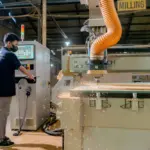
In the heart of the agricultural landscape, where tradition meets innovation, rice stands as one of the world’s moast vital staple foods. As global demand for this versatile grain continues to rise, the efficiency of rice processing methods has become paramount.Enter the combined rice mill machine—a marvel of engineering that seamlessly integrates various stages of rice milling into one compact unit. This article will explore the intricate workings of combined rice mill machines, unraveling the benefits they bring to the rice milling industry, their operational mechanisms, and their significant impact on processing efficiency.From enhancing productivity to optimizing resource use, understanding these machines is crucial for anyone invested in the journey of rice from field to table. Join us as we delve into the transformative role that technology plays in shaping the future of rice processing.
Exploring the Advantages of Combined Rice Mill machines in modern Agriculture
The adoption of combined rice mill machines represents a significant shift in modern agriculture, particularly in terms of processing efficiency and cost-effectiveness. When considering the integration of such machinery into your operations, it’s essential to evaluate the following factors:
- Capacity Versus Demand: Analyze your rice production volume and select a combined mill machine that meets your specific needs. Oversized machines can lead to underutilization,whereas a unit too small may compromise processing efficiency.
- Quality of output: Invest in machines with efficient husking and milling capabilities to ensure high-quality rice. Look for models that offer adjustable settings for different rice varieties.
- Energy Consumption: Research energy-efficient models. A combined mill that consumes less power while maintaining performance can save significant costs over time.
- Maintenance and Support: Choose machines from reputable manufacturers that offer robust customer support and spare parts availability. Regular maintenance can prevent downtime and prolong machine life.
A common pitfall in selecting combined rice mill machines is overlooking the compatibility with existing equipment and infrastructure. Conduct a thorough assessment of your facilities to ensure that the new machinery can be integrated without major modifications. Additionally, pilot-testing different models can provide insights into performance and reliability. Implementing these machines may also require staff training; thus, consider providers that offer comprehensive training programs. The following table serves as a quick reference for comparing key specifications:
| Feature | model A | Model B | Model C |
|---|---|---|---|
| Production Capacity (kg/h) | 500 | 800 | 650 |
| Energy consumption (kW) | 10 | 15 | 12 |
| Weight (kg) | 300 | 450 | 380 |
These considerations can definitely help you make smarter choices regarding combined rice mill machines, ultimately boosting your rice processing efficiency and driving profitability in your agricultural operations.

Operational Insights into Combined Rice Mill Technology and Its Mechanisms
Understanding the operational mechanisms of combined rice mills is crucial for optimizing their performance and increasing overall efficiency. When operating a combined rice mill, pay attention to the following key aspects:
- Pre-Processing Inspection: Before running the mill, check the quality of the paddy. High moisture content, often exceeding 14%, can lead to poor milling efficiency and spoilage. Use a moisture meter to ensure optimal levels.
- Machine Calibration: Regularly calibrate the milling settings according to the type of rice being processed. Different rice varieties require specific adjustments to the husking and whitening units, affecting yield and final grain quality.Keeping a checklist for calibration procedures can streamline operations.
- Maintenance Protocol: Implement a rigorous maintenance schedule, focusing on the blades and screens. Dull blades significantly reduce milling efficiency and may cause damages to the grains. Schedule a weekly inspection and sharpness testing to ensure peak performance.
It is also essential to be aware of common pitfalls that can adversely affect operation:
- Product Contamination: Switching between different rice types without thorough cleaning can lead to contamination. Establish a clean-out procedure when changing batches to maintain quality.
- Flow Rate Adjustments: improper flow rates can overload the machine, leading to jams and uneven milling. Monitor the input and adjust the flow rate based on real-time feedback from the machine performance indicators.
- Choosing the Right Technology: Not all combined rice mills are created equal. Analyze factors such as processing capacity, energy consumption, and ease of operation before investing.Look for machines with automation features, as they can significantly reduce labor costs and minimize human error.
Enhancing Rice Processing Efficiency: Key Features and Best Practices
To enhance efficiency in rice processing using combined rice mill machines, pay close attention to the following key features that can significantly impact your operations:
- Automated Control Systems: Ensure the rice mill is equipped with an intuitive control panel that allows for real-time monitoring of the milling process.This minimizes human error and optimizes output.
- Multi-Functionality: Choose machines that perform multiple tasks (hulling, whitening, and polishing) in one operation. This can reduce energy consumption and maximize productivity.
- High-Quality Components: Check for high-grade steel and wear-resistant parts in the mill. Machines with these features tend to have longer life spans and require less maintenance.
- Energy Efficiency: Look for models with energy-saving motors. As a notable example, a machine that consumes 20% less energy might significantly cut production costs over time.
When selecting a rice mill, consider these practical aspects to avoid common pitfalls:
- Inadequate Capacity: Assess your production needs carefully. Opt for machinery that can handle a higher volume than your current demand to accommodate future growth.
- Maintenance Stipulations: Review the manufacturer’s service offerings. Establish a maintenance schedule that aligns with warranty requirements and ensures optimal performance.
- Trial Runs: Before finalizing your purchase, conduct a trial run to monitor efficiency and output quality. This can reveal issues that may not be apparent from specifications alone.
By adhering to these targeted suggestions, you can significantly enhance rice processing efficiency, ensuring you make a well-informed investment in your operations.
Future Trends in Rice Milling: innovating for Sustainability and Productivity
As the rice milling industry evolves, staying ahead of future trends is crucial for ensuring sustainability and productivity. Here are key areas to consider:
- Adoption of Energy-Efficient Machinery: New rice mill machines are designed to minimize energy consumption. Check if your equipment uses technologies like variable frequency drives (VFDs) which can significantly reduce power usage by adjusting motor speed based on demand.
- Integration of IoT for Monitoring: Implementing Internet-of-Things (IoT) solutions allows for real-time monitoring of milling operations. This can definitely help identify bottlenecks and optimize processes. Such as, sensors can measure moisture content, automating adjustments to improve milling quality.
- Use of Environmentally Kind Materials: Assess the materials used in your milling processes. Investing in eco-friendly packaging and biodegradable by-products can enhance your brand reputation and reduce waste. Examples include using rice husks for biochar production.
- Focus on Waste Utilization: Rather of seeing by-products as waste, look for ways to monetize them. As a notable example, rice bran can be processed into oil and sold, providing an additional revenue stream.
Making smarter choices also involves regular audits of your milling operations against modern standards.Consider the following best practices:
| Action | What to Check | Common Mistakes |
|---|---|---|
| Upgrade Technology | cost-benefit analysis of new machinery | Delaying upgrades leading to inefficiencies |
| train Staff | Skill gaps in operating new machines | Neglecting ongoing training programs |
| Monitor Operations | Performance metrics regularly | Relying solely on past data |
By implementing these practical insights, you can ensure that your rice milling operations not only meet today’s demands but also pave the way for a more enduring and efficient future.
Final Thoughts
the evolution of rice processing has ushered in a new era marked by the integration of combined rice mill machines. As we have explored, these innovative machines offer a myriad of benefits, including enhanced efficiency, reduced labor costs, and improved product quality. by understanding their operation, stakeholders can harness their full potential to elevate the rice milling industry.
The impact of combined rice mill machines extends beyond mere productivity; they stand at the intersection of technology and traditional practices, fostering a sustainable approach to rice processing. As the demand for rice continues to grow alongside our global population,embracing such advancements is not just beneficial—it is imperative.
As we look to the future, it becomes increasingly clear that the integration of technology in agricultural processes will be a defining factor in ensuring food security and economic stability. By investing in and adopting these advanced machines, farmers and mill operators can not only streamline their operations but also contribute to a more efficient and resilient agricultural ecosystem.
In this dynamic landscape, the journey of rice from field to table remains vital. With a deeper understanding of combined rice mill machines, we can all play a role in shaping a more productive and sustainable future for rice processing.