In an era where technological advancements are reshaping industries across the globe, rice production stands at the forefront of this change. Auto rice mills, a marvel of modern engineering, are redefining the way we process one of the most vital staple foods in the world. As agriculture grapples with the dual challenges of feeding a growing population adn adapting to climate change, automation emerges as a beacon of efficiency, precision, and sustainability.This article delves into the intricacies of auto rice mills, exploring how their innovative technologies are revolutionizing production processes and the far-reaching economic implications for farmers, consumers, and economies alike.Join us as we navigate the intersection of tradition and innovation, revealing how the marriage of rice milling and automation is not only enhancing productivity but also shaping the future of food security in a rapidly evolving landscape.
Exploring the Mechanisms of Auto Rice Mills and Their Operational Efficiency
When exploring the mechanisms of auto rice mills, it’s crucial to understand both their components and their operational workflows to maximize efficiency. Start by assessing the following key areas:
- Machine Components: Familiarize yourself with the automatic paddy separator, husker, and polisher, which all play critical roles in rice milling. Check for:
- Quality of machinery—opt for brands with a proven track record of durability.
- Ease of maintenance—models with accessible parts will save time and costs in the long run.
- Operational Workflow: Conduct a thorough review of workflow efficiency. A common mistake is not streamlining production steps. Ensure you:
- Integrate real-time monitoring systems to detect inefficiencies promptly.
- Implement training programs for operators focusing on best practices for smooth operation.
Moreover, it’s beneficial to conduct regular performance evaluations. Track the following metrics to identify areas of advancement:
| Metric | Desired Range | Assessment Frequency |
|---|---|---|
| Rice Recovery Rate | 68-72% | Monthly |
| Breakage Rate | <5% | Weekly |
| Power Consumption | Peaking at 65% of maximum capacity | Daily |
In addition, consider investing in energy-efficient models that can significantly reduce power expenditure and enhance output. Always perform a comparative analysis between models based on customer reviews and warranty services to make informed purchasing decisions.
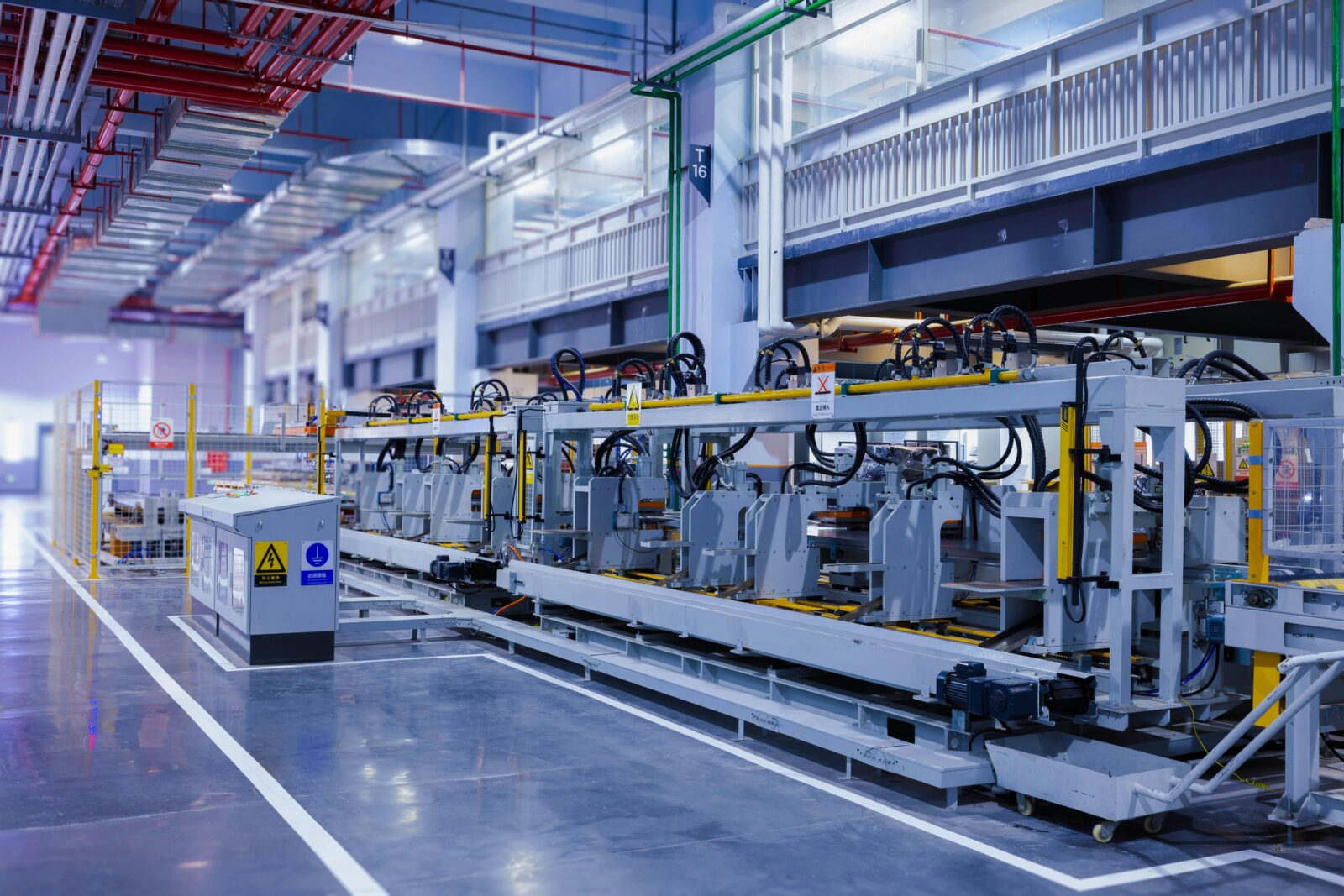
The Benefits of Automation in Enhancing Rice Quality and Yield
Automation in rice milling comes with a multitude of benefits that can significantly enhance both the quality of rice produced and the yield per harvest. When implementing an automated system, consider the following practical steps to ensure that you gain maximum efficiency:
- Invest in Reliable Machinery: Look for machines that are durable and have a proven track record in rice milling. Brands like Chhota bhadreswar and vikram provide automated systems that are recognized for their efficiency and longevity.
- Monitor Storage Conditions: An automated milling system should also integrate effective storage solutions. Humidity control and pest prevention are crucial for keeping rice quality intact. Ensure your automated system includes monitoring features that alert you to adverse conditions.
- Regular Maintenance: Set up a regular maintenance schedule for your machinery. Neglecting this can lead to breakdowns, resulting in reduced output and lower quality, leading to costly setbacks.
Moreover, automation can help mitigate common pitfalls in rice production. For instance, human errors during manual processing often lead to inconsistent grain sizes and poor quality. Automated systems typically feature advanced sorting mechanisms that ensure uniformity, significantly reducing the likelihood of quality degradation. To make smarter choices when adopting automation, evaluate the technology’s scalability:
| Key Considerations | Standard Manual Process | Automated Process |
|---|---|---|
| Time Efficiency | Varies; often slower due to labor | Consistent and faster throughput |
| Quality Control | Inconsistent; depends on labor skill | High uniformity with real-time adjustments |
| Labor Costs | Significant ongoing costs | Reduced labor needs; savings in the long run |
This comparative analysis can guide your transition strategy. Prioritize technologies that offer built-in adaptability and integration with existing processes, to reap the full economic benefits of transitioning to automation.
Economic Implications of Auto Rice Mills on Local and Global Markets
The introduction of auto rice mills significantly alters both local and global markets, leading to a diverse array of economic implications. For local producers, investment in automation can enhance production capacity and reduce labor costs. However, before making the leap, it’s essential to consider the following:
- Capital Investment: Evaluate the initial costs of machinery versus projected profits. Many small farmers face difficulties securing financing. Seek partnerships with local banks or cooperatives that may provide tailored loans for agricultural machinery.
- Quality Control: Automated systems often improve milling precision, but not all machines maintain the same quality standards. Research various brands and consider field-testing samples to ensure you select a model that produces high-quality rice while maximizing yield.
- Labor Dynamics: Transitioning to auto mills can lead to job displacement; though, this technology also creates new job opportunities in machine maintenance and operation. Assess the available workforce and invest in training programs to upskill current employees.
Globally, the integration of auto rice mills impacts rice pricing and supply chain dynamics. Those in the wholesale market should monitor production trends closely and adjust inventory strategies. Consider the following points to navigate this competitive landscape:
- Market Demand: Digital tools can provide insights into consumer preferences and emerging markets. Use analytics to predict trends and adjust your production accordingly, ensuring that your offerings align with market desires.
- Export Opportunities: Countries investing in automation may have a competitive edge in global markets. Establish contact with international buyers by attending trade shows and leveraging online platforms to showcase quality rice at competitive prices.
- Regulatory Compliance: Stay updated on international trade agreements and quality standards, as these can effect export viability. A good practice is to consult with export experts to navigate the complexities of documentation and compliance to prevent costly fines or shipment delays.
Recommendations for Adopting Automation in Traditional Rice Farming Practices
To successfully adopt automation in traditional rice farming practices, farmers must first evaluate their specific needs and existing processes. Begin by assessing the workflow of your current rice production. Identify bottlenecks or labor-intensive tasks that could benefit from automation. once you’ve pinpointed areas for improvement, consider the following steps:
- conduct a Cost-Benefit Analysis: Estimate the upfront investment for automation tools like seed planters, harvesters, or milling equipment versus potential yield increase and labor savings over time.
- Research Automation technology: Look into options such as programmable logic controllers (PLCs) for milling processes or drones for monitoring crop health. Check companies that have good customer reviews,such as CASE IH for harvesters or Yanmar for automated tillage machines.
- Test Before Full Implementation: Start with a pilot project using one automated piece of equipment on a small scale to assess performance before scaling up.
Additionally, it’s crucial to stay informed about common pitfalls when introducing automation. Often, misalignment between technology and existing farming practices can lead to inefficiencies. As an example, if you adopt a high-capacity rice mill without properly training staff or adjusting your supply chain, you may face downtime or quality control issues. to mitigate this, ensure comprehensive operator training and consider the following:
- Evaluate Compatibility: Make sure new equipment works seamlessly with existing systems. As an example, if automated quality control systems are implemented, they should connect well with your current grain handling processes.
- Plan for Maintenance: Factor in ongoing maintenance costs and schedule regular checks to prevent breakdowns and optimize performance.
- Engage with Local Experts: Reach out to agricultural extension services or automation consultants to gain insights tailored to your geographical and operational context.
Key Takeaways
the evolution of auto rice mills stands as a testament to the remarkable fusion of tradition and technology in the world of agriculture. As we navigate through the complexities of modern rice production, it becomes clear that automation is not merely a trend but a transformative force reshaping the industry’s landscape. By enhancing efficiency, reducing labor costs, and increasing production capacities, these innovative mills are fostering economic growth and empowering farmers to meet the demands of an ever-growing population.
As we look to the future, it is indeed essential to understand that the journey of rice production is far from over. The ongoing advancements in automation and smart technology promise to further revolutionize this time-honored practice, making it more lasting and resilient in the face of challenges such as climate change and market fluctuations. The integration of these systems will not only redefine how rice is made but also how communities thrive in economies built on this staple crop.
In this age of rapid change, embracing the potential of auto rice mills presents an possibility for all stakeholders—farmers, consumers, and policymakers alike—to collaborate in fostering a robust agricultural framework. Together, we can cultivate a future where innovation and tradition coexist harmoniously, ensuring that rice continues to be not just a vital food source, but also a pillar of economic stability and cultural heritage. As we turn the page on this chapter of agricultural advancement, let us remain curious and committed to understanding the full impact of automation on our food systems and the communities they nourish.