Understanding Auto Rice Mills: A Extensive Guide to Their Operation, benefits, and Impact on the rice Industry
In the lush green fields where rice sways gently in the breeze, the journey from seed to plate is a remarkable one. At the heart of this agricultural tale lies a technology that has revolutionized the rice industry: the auto rice mill. As populations rise and dietary demands evolve, the need for efficient and effective rice processing systems becomes increasingly critical. This article seeks to peel back the layers of the auto rice milling process, highlighting its innovative machinery, operational intricacies, and the wide-ranging benefits it brings to rice farmers, millers, and consumers alike. By understanding these modern milling systems, we can better appreciate their role in enhancing rice production and ensuring food security in a fast-changing world. Join us as we explore the fascinating interplay between technology and tradition, and discover how auto rice mills are shaping the future of one of the world’s most essential staple foods.
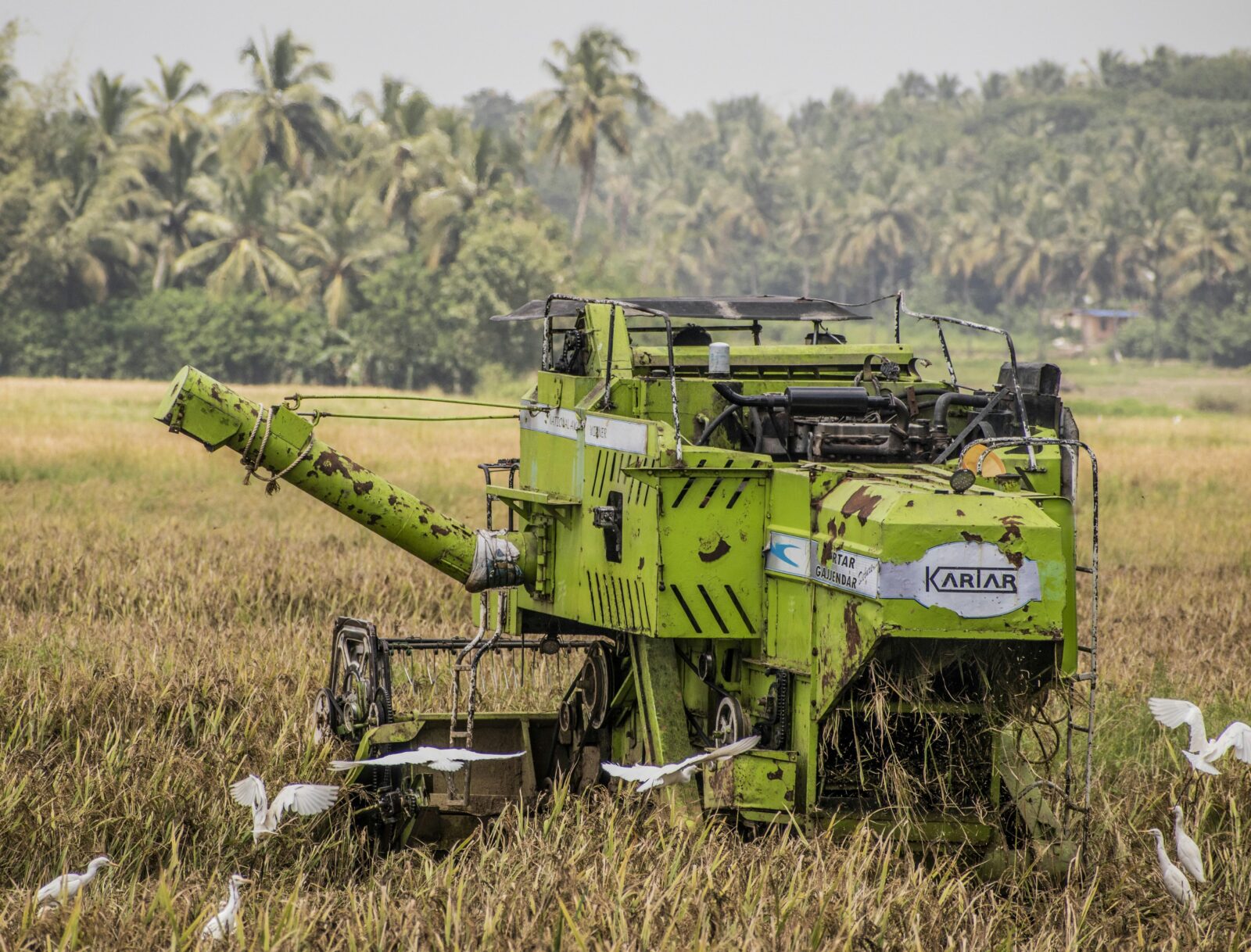
Exploring the Mechanisms of Auto Rice Mills and Their Technological Innovations
Understanding the mechanisms of auto rice mills is crucial for making informed decisions about their purchase and operation. These mills typically employ modern technologies such as huskers, separators, and polishers that streamline rice processing. When evaluating auto rice mills, consider the following practical factors:
- Capacity: Assess your daily production needs. As a notable example, a mill with a capacity of 1-2 tons per hour is suitable for small to medium-scale operations, while larger farms may require systems capable of processing 5 tons or more.
- Energy Efficiency: Look for mills that incorporate energy-saving features. For example, mills equipped with variable frequency drives (VFDs) can optimize energy consumption during operation.
- Durability of components: Inspect the build quality of essential parts like the milling chamber and conveyers to avoid frequent breakdowns. stainless steel components tend to last longer compared to plastic ones.
Common issues in auto rice mills involve overheating, clogging, and poor output quality. To mitigate these problems, always monitor the temperature settings and implement regular maintenance checks. As an example, regularly clean the milling screens to prevent clogging. Smart choices can also be made by considering mills with smart technology integration, such as IoT sensors, which provide real-time data on operational efficiency and potential maintenance alerts. A comparative analysis of various models can be useful; a table summarizing key specifications for three different models might provide clear insights:
| Model | capacity (Tons/Hour) | Energy Efficiency | Durability |
|---|---|---|---|
| Model A | 2 | High | Stainless steel |
| Model B | 5 | Medium | Mild Steel |
| Model C | 1 | Very High | Plastic |
carefully evaluating these specifications against your operational demands can aid in selecting the right auto rice mill, maximizing both productivity and longevity.
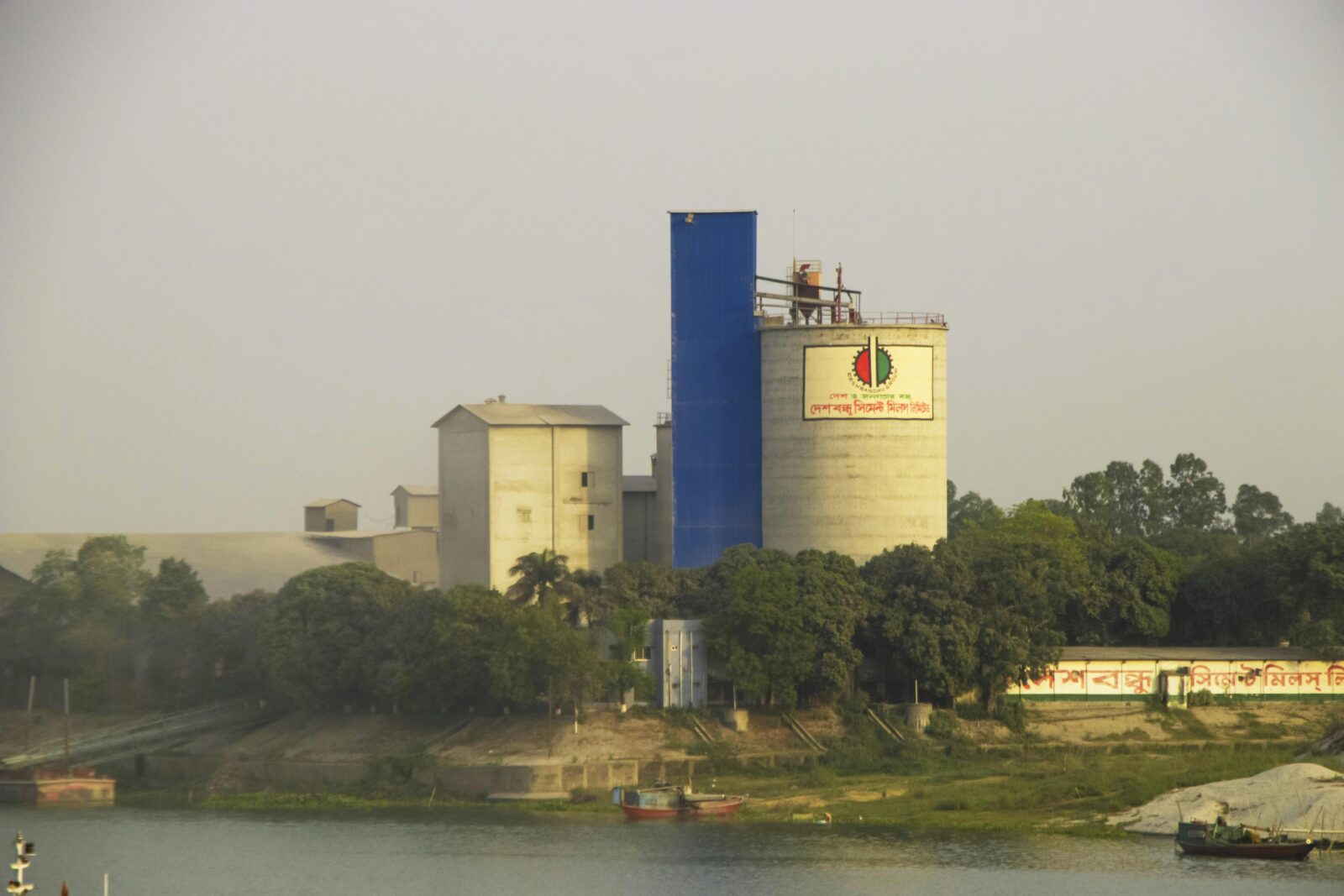
Advantages of Auto Rice Mills: Efficiency, Quality, and Sustainable Practices
Auto rice mills present significant advantages in terms of efficiency and quality, making them a smart choice for rice producers. When considering the implementation of an auto rice mill,evaluate the following aspects:
- Production Capacity: Auto rice mills can process large volumes of rice quickly,reducing the time grain spends in the processing phase. look for mills that can handle your average yield efficiently.
- Labor Costs: Automating the milling process minimizes labor requirements. Analyze your current staffing and determine how automation can streamline operations.
- Energy Consumption: Investigate models that are designed for energy efficiency. Compare specifications to identify energy-saving technologies that could reduce your operational costs over the long term.
Quality output is another key advantage of auto rice mills. They typically feature advanced technology that ensures consistent quality through precise milling parameters. To maximize quality, consider the following:
- Durability of equipment: Invest in high-quality machinery that offers extended operational lifespans. Check for warranties and service options to avoid unexpected breakdowns.
- Husk Removal Efficiency: Ensure the machines you consider have high husk removal rates, as inadequate husk removal can lead to lower quality end products.
- Adaptability: Choose mills that can handle different rice varieties. This flexibility allows you to cater to various markets without needing multiple machines.
| Feature | Manual Mill | Auto Mill |
|---|---|---|
| Processing Speed | Slower | Faster |
| Labor Requirement | high | Low |
| Consistency of Product | Variable | High |
By considering these factors and making informed decisions, you can enhance the effectiveness of your rice milling operation, contribute to sustainable practices, and ultimately achieve higher profitability.
The Economic Impact of Auto Rice Mills on Local Rice Production and Farmers
The impact of auto rice mills on local rice production and farmers is profound and multi-faceted. To maximize the benefits, consider the following practical steps:
- Evaluate Local Demand: Before investing in an auto rice mill, check the local market demand for rice varieties. Understanding consumer preferences can guide operational decisions.
- Assess Supply Chain: Ensure a reliable supply of paddy rice by establishing good relationships with local farmers.This not only secures raw material but also supports local agricultural economies.
- Quality Control: Implement rigorous quality checks to maintain high standards in milling. Poor quality can lead to price drops. For example, a mill in West Bengal that prioritized quality saw a 20% increase in sales due to better market reputation.
Despite opportunities, there are common pitfalls to be aware of:
- Neglecting Farmer Training: Many mills overlook the importance of educating local farmers about sustainable practices and crop quality.Implement a training program that covers better farming techniques to ensure higher-quality paddy crops.
- Ignoring technological Advances: Failing to modernize milling equipment can lead to inefficiencies. Regularly assess and upgrade machinery to reduce wastage and optimize production. As an example, mills using automated sorting mechanisms can increase output by up to 15%.
- Market Fluctuations: Stay informed about market trends and prices. Prices can fluctuate due to various factors,including crop yield and international market conditions. Consider diversifying product offerings, such as producing rice bran oil, to mitigate risks.
Best Practices for Operating Auto Rice Mills: Maximizing Output and Minimizing Waste
To maximize output and minimize waste in auto rice mills, a series of best practices should be implemented. Start by regularly inspecting and maintaining machinery to ensure optimal performance. Check for wear and tear,particularly on components like the huller and separator,which can significantly impact efficiency. Schedule routine calibration of equipment to reduce husk and broken rice percentages.Additionally, maintain a clean milling environment; accumulated dust and residues can affect both product quality and machinery performance. Consider implementing a strict supply chain management system that ensures the procurement of high-quality paddy. Low-quality paddy not only yields less favorable outcomes but can also lead to increased wear on milling equipment, leading to further costs.
Moreover, training staff on operational best practices can drastically improve outcomes. Educate employees on temperature control during milling; overheating can lead to nutritional losses and affects the overall quality of the rice. Using automated moisture analyzers can help monitor paddy moisture levels before milling; maintaining optimal moisture content (around 14-15%) can minimize breakage and enhance final yield. Create a checklist for daily operations that includes:
- Checking moisture levels of incoming paddy
- Inspecting machinery for signs of malfunction
- Cleaning milling equipment after each shift
- Recording output and waste levels daily
This systematic approach ensures that any anomalies in production can be immediately identified and corrected, fostering a more proactive milling environment. It’s also beneficial to conduct regular cost-benefit analyses on new technologies like advanced milling machinery or software for inventory management, which can provide insights into potential savings and improvement in output quality.
Final Thoughts
auto rice mills stand as a pivotal innovation in the rice industry, transforming not only the way rice is processed but also enhancing the livelihoods of countless farmers and communities worldwide. As we’ve explored, these advanced milling systems streamline operations, increase efficiency, and ensure greater consistency in rice quality, which ultimately benefits both producers and consumers. From their mechanized precision to the socioeconomic impact they foster, auto rice mills exemplify the marriage of technology and tradition in agriculture.
As the demand for quality rice continues to rise in an ever-evolving market, understanding the workings and advantages of auto rice mills becomes more crucial than ever. We invite you to reflect on the role these machines play—not just as tools of production, but as catalysts for change within the larger framework of food security and economic development.
Whether you’re a farmer considering an upgrade, an entrepreneur eyeing opportunities in the rice sector, or simply a curious mind wanting to learn more, embracing the knowledge around auto rice mills will arm you with insights to navigate the complexities of the rice industry. As we look ahead, let us celebrate not only the advancements in technology but also the rich heritage that binds us to this essential staple food.