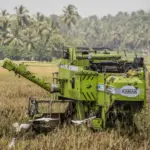
In the heart of our global food supply lies a staple that has sustained civilizations for centuries: rice. As the world’s population swells and the demand for food escalates, the rice industry finds itself at a pivotal crossroads. Traditional processing methods,while rich in heritage,often fall short in meeting the modern challenges of efficiency,sustainability,and quality. Enter a new wave of innovative rice processing equipment, designed not only to enhance productivity but also to champion sustainability in agricultural practices. This article delves into the transformative impact of these cutting-edge technologies, exploring how they are reshaping industry standards and paving the way for a greener, more efficient future. Join us as we journey beyond the grain, uncovering the advancements that are revolutionizing the rice industry from the ground up.
Rethinking Efficiency: the Unseen Ecological Costs of Rice Processing Innovation
As innovations in rice processing equipment promise to streamline production and enhance productivity, a deeper examination reveals a nuanced landscape of ecological costs that are often overlooked. This viewpoint challenges the widely held assumption that efficiency upgrades automatically translate to sustainability. While advanced technologies can reduce resource consumption and increase output, they can also lead to unintended consequences, such as:
- Increased Energy Consumption: new machinery may require substantial energy inputs, negating efficiency gains if sourced from non-renewable energy.
- Waste Generation: The production outputs may shift,leading to higher by-product waste that requires further management and disposal solutions.
- Pressure on Water Resources: Innovative processes frequently enough necessitate critically important water use, raising concerns in regions already facing water scarcity.
To navigate these complexities, industry stakeholders must weigh the merits of technological advancements against their ecological footprints critically. rather of adopting new equipment blindly, a multi-faceted evaluation that includes life-cycle assessments (LCA) coudl be invaluable. Decision-makers should consider:
| Factors to Assess | Considerations |
|---|---|
| Technology Type | Assess energy source, waste implications, and water use. |
| Local Context | Evaluate environmental conditions and community needs. |
| End-to-end Impact | Conduct lifecycle assessments to gauge overall sustainability. |
By adopting a more holistic view that considers both technological advancements and their environmental repercussions, the rice processing industry can strive for genuine sustainability rather than a superficial sense of efficiency.
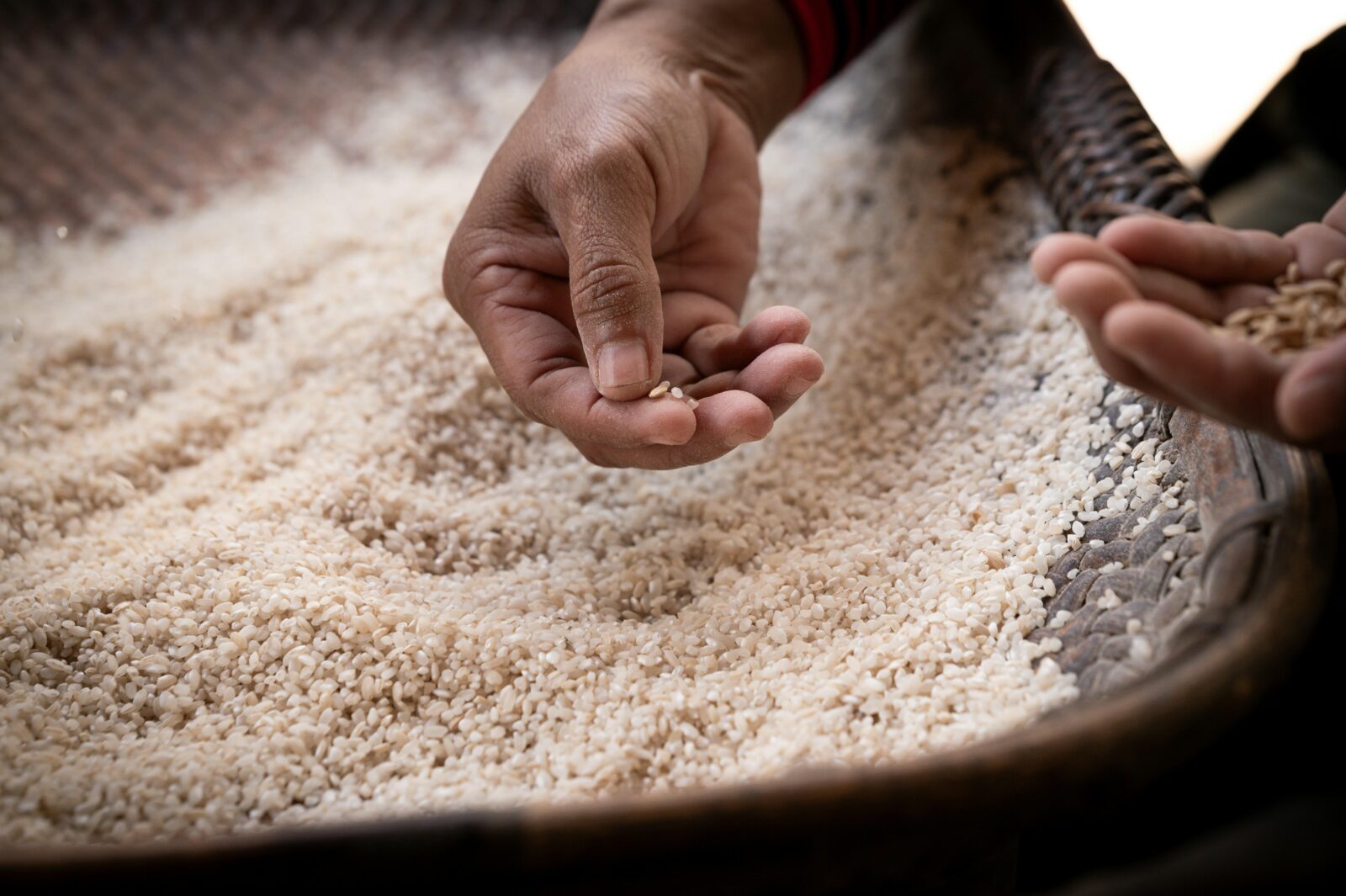
Beyond Technological Hype: Evaluating the Real Impact of Rice Processing on Sustainable Practices
As innovations in rice processing equipment continue to gain traction, a critical evaluation of their real impact on sustainability reveals both promising advancements and notable challenges. One common assumption is that high-tech machinery inherently leads to better environmental outcomes. While it’s true that modern processing technologies, such as energy-efficient mills and waste valorization systems, can significantly reduce waste and energy consumption, the initial manufacturing processes for these machines frequently enough have substantial carbon footprints. Therefore, evaluating sustainability requires a multifaceted lens that considers not only end-use efficiency but also the entire lifecycle of the equipment.
Moreover, the trade-offs between technological adoption and traditional methods cannot be ignored. For instance, while innovative machinery can promise higher yields and lower resource inputs, they may also exacerbate socio-economic divides in rural farming communities. Smallholder farmers often lack the capital to invest in these technologies, compelling them to rely on outdated, less efficient methods that contribute to unsustainable practices. To navigate these complexities, industry stakeholders should consider:
- Collaborative Investment: Support initiatives like local cooperatives that can pool resources for equipment acquisition.
- Training Programs: Implement educational programs for farmers that highlight both high-tech and traditional sustainable practices.
- Policy Engagement: Advocate for policies that promote equitable access to sustainable technologies.
This balanced approach not only enhances sustainability but also encourages community resilience, ultimately leading to a more inclusive and responsible rice processing industry.
The Balancing Act: Navigating Profitability and Environmental Responsibility in Rice Manufacturing
The traditional perception that profitability and environmental responsibility are mutually exclusive in rice manufacturing is fundamentally flawed. While it’s true that reduced environmental impact frequently enough incurs higher upfront costs, savvy manufacturers recognize that sustainability can be integrated into profit-driven models. As a notable example, investing in energy-efficient processing equipment not only decreases carbon footprints but also substantially lowers long-term operational costs. Consider these vital aspects:
- Long-term Savings: Investing in advanced technologies, such as precision milling and waste conversion systems, can yield significant savings on energy and raw materials over time.
- Market Positioning: Consumers increasingly favor sustainably produced goods, enabling brands to command premium pricing for eco-friendly products.
- Regulatory Compliance: As governments tighten environmental regulations, aligning business practices with sustainability goals can mitigate compliance costs and avoid penalties.
Though, embracing this dual focus demands a nuanced approach. One must assess the trade-offs between immediate monetary gain and long-term sustainability goals. A manufacturer might opt to use more environmentally friendly but costlier raw materials that align with ethical sourcing practices, yet this decision could pressure tight profit margins. Instead, fostering strategic partnerships with suppliers who prioritize sustainability can offset these costs, creating a win-win scenario. For example, the implementation of agroecological practices by rice farmers can enhance soil health and yield, providing a more stable supply chain.Ultimately, integrating sustainability into the core of rice production not only builds resilience in a changing market but also challenges the outdated assumption that environmental responsibility equates to financial loss.
Alternative Approaches: Exploring Low-Tech Solutions in the Era of Advanced Rice Processing Technologies
In the context of high-tech rice processing technologies, there is a compelling case to consider low-tech alternatives that can be both effective and sustainable. As an example, traditional methods such as manual milling and simple hand-threshing can prove beneficial in regions where advanced machinery is economically unfeasible or culturally inappropriate. These methods typically require significantly lower capital investment, and they can be readily adopted by smallholder farmers without the need for extensive training. Additionally, employing human labor instead of mechanization mitigates the environmental impact of energy-intensive machinery, aligning with sustainable practices aimed at reducing carbon footprints. However,the trade-off lies in efficiency: low-tech solutions may increase labor time and decrease output,posing challenges when scaling production to meet market demand. An understanding of local contexts is thus essential, as the effectiveness of these methods can vary widely depending on socio-economic conditions.
Moreover,an exploration of alternative processing solutions draws attention to the role of community-driven initiatives that integrate low-tech innovations with local resources. Such as, the adoption of solar drying systems has emerged as a viable, eco-friendly option that complements traditional harvesting methods.These systems capitalize on readily available sunlight, drastically reducing reliance on fossil fuels for drying rice and improving grain quality while minimizing spoilage. Though, while such systems promote sustainability, their initial setup costs and technological challenges might deter smaller producers. A strategic approach would involve fostering collaborations between technology providers and local farmers to ensure that these systems are both accessible and adaptable. Recognizing that no single solution fits all, it’s crucial to balance technological advancement with local knowledge, thereby creating a hybrid that drives sustainability without alienating those it aims to benefit.
In Summary
As we draw the curtains on our exploration of the transformative journey of rice processing, it’s clear that innovation is not merely a luxury; it is indeed an imperative. The advancements in rice processing equipment are forging a path toward sustainability, efficiency, and quality that the industry has long sought. Beyond the grains lies a future where technology harmonizes with nature, creating a symphony of sustainable practices that benefit producers, consumers, and the planet alike.
As we move forward,it’s essential for stakeholders—farmers,manufacturers,and policymakers—to embrace these innovations,fostering a culture of collaboration and responsibility. By prioritizing research, investing in advanced equipment, and advocating for sustainable methodologies, we can ensure that the rice industry is not only poised for growth but also committed to preserving our environment for generations to come. The seeds of change have been sown; it is now up to us to nurture them and reap the benefits of a beautifully sustainable future in rice processing.