In the heart of agricultural economies, rice stands as a staple that nourishes billions, making its production and processing an indispensable endeavor. For entrepreneurs and investors eyeing the lucrative agri-food sector, launching a rice mill plant can be a compelling venture. However, the road from concept to successful operation is laden with complexities that can easily derail even the most promising projects.”maximize Your ROI: A Step-by-step Guide to Successfully Launching a 2 Ton Rice Mill Plant Project” offers a comprehensive roadmap to navigating these challenges. In this article, we will delve into the essential strategies and practical steps you need to harness your investment potential and transform your vision into a thriving business. Whether you’re a seasoned industrialist or a first-time entrepreneur, this guide will equip you with the critical insights necessary to ensure your rice mill project operates efficiently and profitably from day one. Get ready to turn your aspirations into actionable plans and maximize your return on investment as we embark on this journey together.
Strategic Choices for Site Selection and Equipment Procurement in Your rice Mill Venture
When embarking on your rice mill venture, strategic choices regarding site selection and equipment procurement are crucial to maximizing your ROI. Start by identifying potential locations by evaluating factors such as proximity to raw materials (rice paddy), labor availability, transportation infrastructure, and market access for finished products. Key considerations should include:
- Accessibility: Ensure your site is near major highways or transportation hubs to facilitate the inbound supply of rice paddy and outbound distribution of processed rice.
- Land Cost: Analyze land prices relative to your budget; cheaper areas may lead to unforeseen costs (e.g.,infrastructure upgrades).
- Regulatory environment: Check local zoning laws and regulations concerning mill operations; this can affect your licensing and operational costs.
Once your site is selected, turn your focus to equipment procurement. it’s imperative to choose machinery that balances cost with efficiency and reliability. Rather than opting for the cheapest available equipment, consider these strategies:
- Brand Reputation: Invest in well-reviewed brands known for durability, such as Buhler or Satake, which may offer higher initial costs but result in lower maintenance and higher throughput.
- energy Efficiency: Look for equipment with high energy efficiency ratings to reduce long-term operational costs.
- After-Sales Support: Assess the availability of localized support and replacement parts, as accessibility can greatly minimize downtime and repair costs.
It’s easy to underestimate the importance of these decisions: poor site selection can lead to higher operational costs and limited market access,while inadequate equipment may result in production bottlenecks and increased maintenance costs. Be proactive by conducting site visits and engaging with existing mill owners to gather insights about their experiences,challenges,and recommendations.
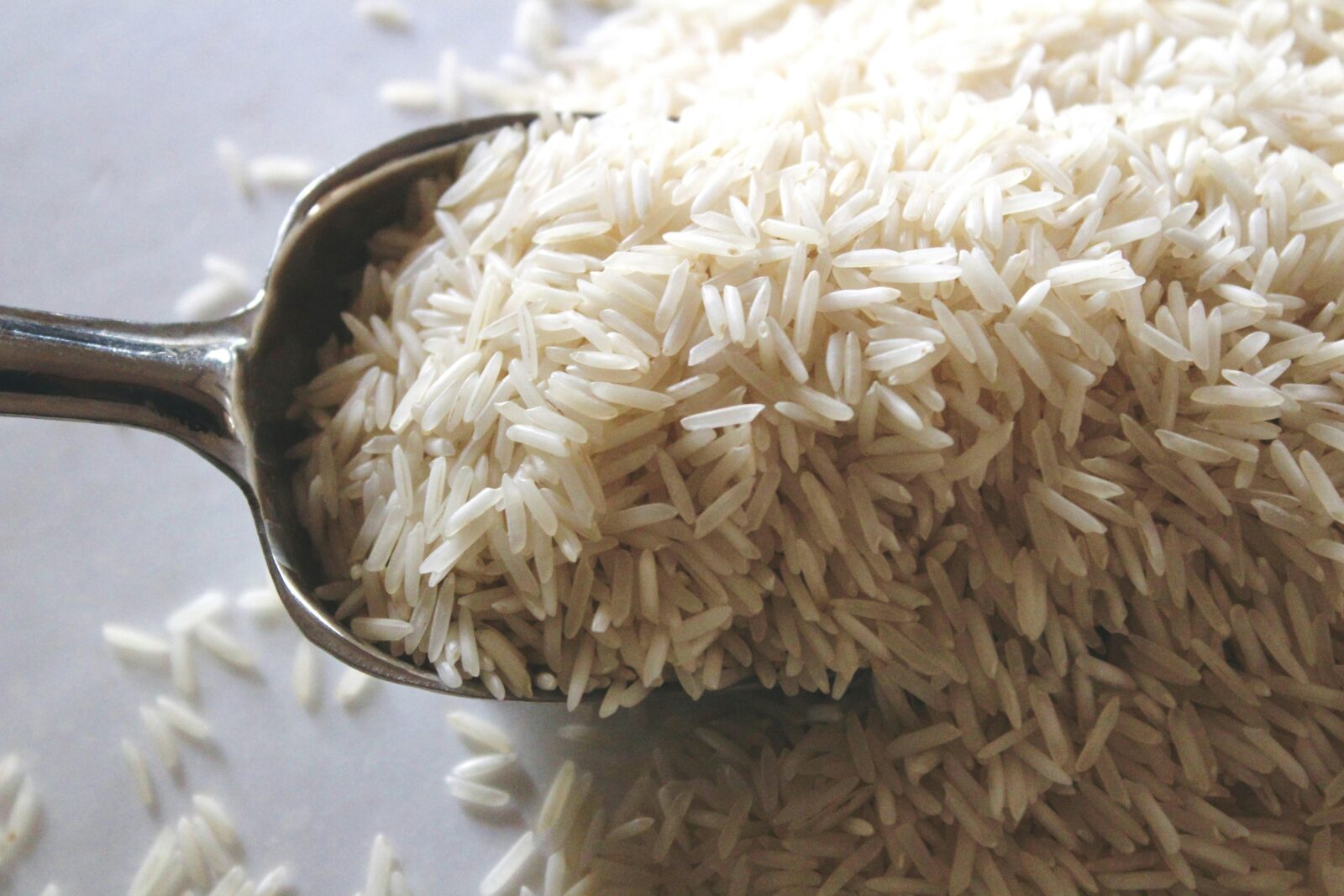
Essential Checks and Balances to Safeguard Your Investment in Rice Milling Operations
To safeguard your investment in rice milling operations, initiate a robust system of checks and balances from the very beginning. Here are specific steps to follow:
- conduct Thorough Due Diligence: Before committing funds, validate equipment suppliers’ reputations. Check for customer testimonials and service records. Consider visiting existing mills using the equipment you plan to purchase.
- Define key Performance Indicators (KPIs): Establish metrics like yield percentage, downtime, and maintenance costs. Regularly track these KPIs to identify areas needing improvement.
- regular Quality Control Assessments: Implement a structured quality control program.Compare your finished product with industry standards. This can prevent costly reworks and maintain customer satisfaction.
- Monitor Operating Expenses: Keep a detailed record of all operational costs.Use a simple spreadsheet to categorize costs such as labor, utilities, and repair services.Example: Table down your monthly expenses and identify any fluctuations.
understanding common pitfalls can immensely enhance your operational effectiveness:
- Technical Training for Staff: Often, insufficient training leads to equipment misuse. Conduct regular training sessions and refreshers for all operators.
- Staying Updated with Technology: Avoid relying solely on outdated equipment. Invest in germination technology or machine upgrades every few years to enhance efficiency and reduce waste.
- Negotiate with Suppliers: establish long-term contracts at favorable rates rather than single purchases. This can mitigate price hikes and ensure a steady supply of quality materials.
Ultimately, creating a culture of accountability and continuous improvement among your team will provide the necessary checks to monitor productivity and performance, ensuring long-term profitability.
Navigating Common pitfalls: Lessons Learned from Failed Rice Mill Projects
Navigating multiple aspects of a rice mill project can feel overwhelming, but learning from common pitfalls is key to success. First, ensure that comprehensive market research is conducted to identify your target buyers and maintain competitive pricing. Many failed projects often overlook demand assessment, which can result in excess production and wasted resources. Here are critical factors to examine:
- Market Demand: Conduct surveys or focus group discussions with local farmers and distributors.
- quality Standards: Test your product against regional quality specifications to ensure your rice meets buyer expectations.
- Distribution Channels: Establish reliable partnerships with distributors early to avoid bottlenecks in getting your product to market.
Failures often occur when project timelines are unrealistic. Implement a phased project schedule with clear milestones and allocate buffer time for potential delays in equipment procurement or construction. An exemplary case is a project in Maharashtra where a rushed setup led to machinery defects, ultimately increasing expenditure and halting production for repairs. Rather, consider using a planning table to track your progress:
| Milestone | Scheduled Date | Actual Completion Date |
|---|---|---|
| Site Preparation | MM/DD/YYYY | MM/DD/YYYY |
| Equipment Installation | MM/DD/YYYY | MM/DD/YYYY |
| Testing Phase | MM/DD/YYYY | MM/DD/YYYY |
Additionally, engage qualified engineers and consultants during the installation process to address risks effectively. Their expertise can help mitigate issues related to substandard equipment that previous projects faced, leading to efficiency losses and increased operational costs.
Maximizing efficiency: Actionable Strategies for Sustainable Rice Mill Production
Maximizing the efficiency of your rice mill plant involves meticulous planning and the implementation of industry best practices. Start by conducting a thorough audit of your processes. Identify the bottlenecks in your milling operation—this could range from outdated equipment to lack of properly trained staff. To address these issues, consider the following actionable strategies:
- Invest in Modern Equipment: Use energy-efficient and automated machinery to minimize downtime. For instance, a pre-cleaner that separates large impurities before milling increases output quality.
- Regular Maintenance: Schedule routine maintenance checks and keep a close watch on wear and tear.Implement a preventative maintenance program to reduce unexpected equipment failures that disrupt production.
- Optimize labor allocation: Ensure that skilled workers are in roles that maximize their strengths. Use performance metrics to evaluate staff efficiency and provide targeted training for areas needing improvement.
Additionally, keep track of your production metrics vigilantly. Monitor key performance indicators (KPIs) like yield rates, energy consumption, and labor costs. Creating a simple yet effective table can highlight these metrics:
| Metric | Current Rate | Target Rate |
|---|---|---|
| Yield Rate | 65% | 75% |
| Energy Consumption (kWh) | 1500 | 1200 |
| Labor Costs ($) | $2000 | $1500 |
Regularly comparing these figures can help you make smarter decisions about where to invest further resources. Implementing best practices such as just-in-time inventory to reduce storage costs can also enhance efficiency. Remember, changing one factor can have a ripple effect on your overall operation; thus, always analyze the potential impacts before making significant shifts.
To Conclude
As we conclude our comprehensive guide on maximizing your return on investment while launching a 2-ton rice mill plant, it’s evident that success lies in meticulous planning, strategic execution, and continuous innovation. Every step, from conducting thorough market research to maintaining rigorous quality control, plays a pivotal role in not only establishing a sustainable operation but also enhancing your profitability.
Remember, the journey doesn’t end with the launch. Stay adaptable, keep your eyes on industry trends, and foster relationships with your suppliers and customers. By remaining committed to excellence and embracing challenges as opportunities, you can cultivate a thriving business that stands the test of time.
We hope this guide equips you with the tools and insights needed to embark on your rice mill venture with confidence. May your project yield abundant returns, and may you savor every success as you bring your vision to life. Now is the time to take the first step—let the milling begin!