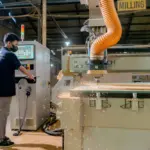
In the world of rice production, were every grain counts, the choice of milling machinery can make all the difference between a bountiful harvest and wasted potential. As global demand for rice continues to rise, farmers and producers are seeking innovative solutions to enhance their operational efficiency. Enter the combined rice milling machine—a technological marvel designed to streamline processes, reduce labor costs, and improve yield. But with so many options on the market, how do you determine the right fit for your specific needs? in this article, we will explore the critical factors to consider when selecting a combined rice milling machine, helping you optimize your production capabilities while minimizing waste. Discover how the right equipment can transform your milling operation, ensuring that you make the most of every grain.
Maximize Efficiency: How to Choose the Right Combined Rice Milling Machine for Your business
Choosing the right combined rice milling machine is critical for maximizing operational efficiency. Begin by assessing your specific production needs according to the scale of operations you intend to run. Check the machine’s capacity and ensure it aligns with your expected yield. As a notable example, a small-scale mill with a processing capacity of 300 kg to 500 kg per hour might suffice for local markets, while larger operations catering to wholesalers may require machines capable of over 1,000 kg per hour. Additionally, analyze the versatility of the milling unit; machines that can handle different rice varieties can save time and costs associated with purchasing multiple machines.
Next, it’s essential to evaluate the energy consumption and maintenance requirements of the milling machines you’re considering.Machines with higher-energy efficiency ratings will lower operational costs over time, while those that are easier to maintain will minimize downtime. Key factors to assess include:
- Power Rating: Look for machines rated around 20 HP for small to medium scale, while larger setups may need up to 75 HP.
- Material Quality: Stainless steel or high-carbon steel parts typically offer better durability.
- User-Amiable Features: Automatic feed systems and adjustable milling settings can greatly enhance productivity and reduce waste.
Concluding Remarks
selecting the right combined rice milling machine is not just an investment in machinery; it’s a commitment to enhancing your overall operational efficiency and sustainability in rice production. By carefully considering factors such as capacity, technology, and waste reduction capabilities, you can significantly boost your yield while minimizing environmental impact. The ideal milling machine will not only streamline your processing but also help you adapt to the evolving demands of the market. As you embark on this journey toward maximizing efficiency, remember that the right choice can lead to increased profitability and a more responsible approach to agriculture. Let the contours of innovation guide you as you sow the seeds of success in your milling endeavors.