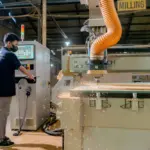
In an era where optimizing production processes is paramount to staying competitive, the rice milling industry stands at a crossroads of tradition and innovation. As global demand for rice continues to surge,mill operators are tasked with the challenge of not just meeting this demand but doing so with unprecedented efficiency and profitability. Enter the fully automatic rice mill plant—an embodiment of modern technological advancements designed to streamline production while minimizing labor costs and maximizing output. in this comprehensive guide, we will navigate the intricate landscape of selecting and operating a fully automatic rice mill plant. From understanding the essential components and technology to implementing best practices for operational efficiency, each step is meticulously laid out to empower you to transform yoru rice milling business into a beacon of productivity and profit. Join us as we delve into the mechanisms behind these complex machines and uncover strategies that will revolutionize your operations, ensuring you reap the benefits of modern milling advancements while keeping quality and sustainability at the forefront.
Unlocking Potential: Essential Criteria for Selecting Your Ideal Automatic Rice Mill Plant
Selecting the right automatic rice mill plant is pivotal to maximizing efficiency and profit. Begin by assessing your capacity requirements, as mills come with various output capabilities. Determine the amount of rice you plan to process daily and choose a plant that can handle at least 20-30% more to accommodate fluctuations in supply and demand. Understand that many mill owners make the mistake of underestimating their scale, resulting in frequent downtimes and insatiable demand not met by production capacity. Alongside this, ensure that the mill supports multiple rice varieties if you plan to diversify; a mill with adaptable a separator and husker can be a game-changer.
Next, focus on technology and automation features. look for mills with integrated monitoring systems that provide real-time data on efficiency, breakage rates, and maintenance needs. This enables proactive management rather than reactive adjustments. Avoid plants that lack modern automation, as older machines frequently enough lead to higher labor costs and lower precision. For example, a mill with high-quality electronic control systems will ensure smoother operations and less waste, enhancing profitability. Ensure that the manufacturer offers comprehensive after-sales support and training; many operators falter not due to the machinery itself but because they lack understanding of how to optimize usage fully. prioritize capacity, technology, and support in your decision-making to ensure your investment truly unlocks potential.

Navigating the Setup: Key Considerations for a Smooth Operating Experience
when setting up a fully automatic rice mill plant, thorough planning is essential to ensure efficiency and profitability. Key considerations include:
- Site Selection: Opt for a location with easy access to raw materials and transportation networks. Proximity to rice farms minimizes logistics costs; a site near major roads or railway lines enhances distribution efficiency.
- Power Supply: Analyze the power consumption of equipment to ensure your facility has a reliable, uninterrupted power source.Consider backup generators to avoid production downtime during outages.
- Water Supply: Certain milling processes require a consistent water supply for cleaning and steaming rice. Verify the availability and quality of water sources to avoid delays.
- Labor Skills: Assess local labor skills and consider training programs for your staff.Well-trained employees enhance machine operation and maintenance, reducing operational errors.
Common pitfalls include neglecting to test machinery settings prior to fully launching operations. Conduct thorough testing,such as checking moisture levels in grains,to set optimal milling parameters that maximize throughput without damaging rice quality. Additional checks include:
- Equipment Calibration: Regularly calibrate your machines to ensure they are operating at peak efficiency. An improperly calibrated machine can lead to increased waste and subpar quality.
- Supply Chain Management: Develop reliable relationships with suppliers for raw materials and spare parts. By having designated suppliers,you can avoid delays due to shortages.
- Quality Control: Implement strict quality control measures at multiple stages of the milling process. Routine checks can definitely help catch quality issues before they affect the final product.
By addressing these considerations from the outset, you set a strong foundation for a smooth operating experience, maximizing both efficiency and profit in your rice milling operations.
Pitfalls to Avoid: common Missteps in Rice mill Operations and How to Sidestep them
In rice mill operations, avoiding common pitfalls can substantially enhance productivity and profitability. Here are critical missteps to steer clear of:
- Inadequate Equipment Maintenance: Regular maintenance is essential to keep machines running efficiently.Implement a strict maintenance schedule and keep detailed logs. A study found that 30% of downtime in rice mills is due to preventable mechanical failures.
- Ignoring Raw Material Quality: Always assess the quality of rice grains before milling. Poor quality can lead to increased waste and reduced profit margins. Conduct your own pre-purchase grading tests to ensure the raw material meets industry standards.
- Overlooking Energy Efficiency: Energy costs can erode profits.Opt for energy-efficient machinery and regularly monitor energy consumption. Consider investing in variable frequency drives (VFDs) that can reduce energy usage by up to 60% in milling operations.
- Neglecting Staff Training: Under-trained operators can mishandle equipment, causing damage and inefficiencies. Organize regular training sessions and create informational resources about the processing workflow and machinery operation.
To sidestep these errors, proactive decision-making is crucial. Focus on establishing robust checks and balances:
- Set Up a Quality Control Team: Implement a dedicated team responsible for overseeing grain quality and milling processes. Timely feedback will allow for immediate adjustments, minimizing waste.
- Invest in Automation: automate critical processes to reduce human error and optimize throughput. Automation may require upfront capital, but it often leads to lower long-term labor costs and higher consistency in product quality.
- Regular Performance reviews: Utilize key performance indicators (KPIs) such as output rates, waste percentages, and energy usage to continually assess the efficiency of your operation. Chart these metrics to visualize trends and make data-driven decisions.
maximizing Returns: Proven Strategies for Optimizing Efficiency in Your Rice Milling Process
To maximize returns in your rice milling process, itS crucial to adopt specific strategies that enhance efficiency and reduce waste. Begin by conducting a thorough assessment of your existing production line. Key performance indicators (KPIs) to monitor include yield percentages, downtime, and energy consumption. Here are several actionable steps to consider:
- Maintain Equipment Regularly: Schedule routine inspections and servicing to prevent machine breakdowns. As an example, if you notice that the husker is generating excessive dust, it may indicate that the machine requires cleaning or adjustment.
- Invest in Technology: consider upgrading to automated systems for sorting and packing. Technologies like laser sorters can improve the quality of the final product, leading to higher market prices.
- Implement lean Manufacturing Principles: Identify and eliminate bottlenecks in your operation. A common pitfall is having excess inventory of raw rice,which can lead to increased storage costs and potential spoilage.
Additionally, focus on optimizing the milling process itself to enhance efficiency. Every stage should be examined carefully for improvements. For example, adjusting the polishing settings of the mill can lead to better quality rice with minimal broken grains, which can significantly elevate your profit margins. Consider the following metrics:
| Process Stage | Common Issues | solutions |
|---|---|---|
| Husking | High breakage rates | Use temperature control to optimize husker performance |
| Polishing | Poor grain quality | Invest in multi-stage polishing for superior output |
| Packaging | Inconsistent fill weight | Implement weight sensors to ensure accurate filling |
Monitoring these areas will enable you to make data-driven decisions that align with best practices, ensuring that your rice milling operation not only runs smoothly but is also profitable.Keep an eye on emerging trends in rice processing technology, as innovations in the market can provide fresh opportunities to further enhance your efficiency and profitability.
Key Takeaways
As we draw the curtain on this comprehensive guide to maximizing efficiency and profit in your rice milling ventures, it becomes clear that embracing a fully automatic rice mill plant is not merely an operational upgrade; it is indeed a transformative journey. Each step, from selecting the right technology to optimizing daily operations, lays a solid foundation for lasting growth and increased profitability. As you implement these strategies, remember that success in this sector relies not only on advanced machinery but also on a commitment to continuous learning and adaptation in a dynamic market.By leveraging the insights shared in this article, you are well-equipped to navigate the complexities of rice milling with confidence and clarity. Embrace the potential of automation, harness innovation, and watch as your investments yield not just greater outputs but also enhanced value over time. Here’s to your success in cultivating a thriving rice milling enterprise that stands the test of time!