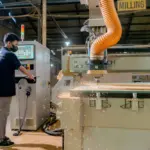
In the heart of countless rural economies around the world, rice serves as a staple food and a vital source of livelihood. As the demand for this versatile grain continues too rise,the opportunity for entrepreneurs to venture into rice milling units has never been more promising. Though, establishing a successful rice milling operation is not merely about acquiring machinery or sourcing raw materials; it requires a strategic approach to maximize efficiency and profitability. In this article, we will uncover essential tips and insights that will help you navigate the complexities of setting up a rice milling unit, ensuring that you harness the full potential of every grain. Whether you are a seasoned investor or a budding entrepreneur, these guidelines will equip you with the knowledge to thrive in this competitive industry, turning your vision into a flourishing reality.
Strategic Considerations for Crafting a High-Performance Rice Milling Operation
Creating a high-performance rice milling operation necessitates a keen focus on several strategic considerations that can profoundly affect efficiency and profitability. Begin by assessing your supply chain meticulously. Ensure that you have reliable access to raw materials, as delays in supply can cripple operations. It’s beneficial to establish contracts with multiple suppliers to mitigate risks associated with dependency on a single source. Additionally, keep an eye on market trends and forecast potential fluctuations in raw material costs. This can definitely help you negotiate better terms and secure favorable pricing. Another crucial element is the investment in quality machinery—opt for machines that offer versatility in processing. For example, consider rice millers that can handle various rice varieties, thus broadening your market appeal.Moreover, regularly schedule maintenance checks to avoid unexpected downtimes that can quickly erode profit margins.
Operational efficiency also thrives on skilled manpower and effective training programs. Invest in training sessions for your staff that highlight best milling practices and machinery handling. Poorly trained staff can result in higher waste levels and operational mishaps. Additionally, streamline your milling process by implementing automation where possible; utilizing automated huskers or polishers can significantly reduce labor costs and improve output consistency. Regularly monitor key performance indicators (KPIs) such as milling yield, breakage rates, and energy consumption. Keeping track of this data allows for informed adjustments to processes and helps identify areas that usually go wrong, such as excessive breakage or downtime due to machinery overload. For example, a well-balanced work schedule can ensure that your milling operations do not exceed recommended capacities, thus prolonging machinery life and enhancing productivity.

Navigating the Minefield: Common Pitfalls in Rice Mill Setup and How to Sidestep Them
Setting up a rice milling unit can be a daunting task, and several common pitfalls can derail your efforts if not addressed early.Hear are some critical areas to watch:
- Location and Infrastructure: Ensure your facility is adequately located to access raw materials and transport finished goods. A frequent mistake is opting for a cheap yet inaccessible site that ultimately increases logistical costs. Check: Proximity to rice-producing areas and major roads to minimize transportation costs.
- Equipment Overkill: Many new millers invest heavily in overly complex machinery that may not be necesary for their target market. Tip: Start with essential equipment and gradually upgrade. For example, a basic rice milling machine can handle smaller operations effectively until you determine demand. Consider: Assessing your volume needs before purchasing.A table comparing equipment types based on capacity and cost-effectiveness can guide this decision.
- Quality Control Measures: Neglecting quality checks can harm your reputation and sales. Establishing a quality control process helps catch issues before product distribution. For example, implementing regular moisture content checks can prevent spoilage.
- Market Research: Failing to understand your target market leads to wasted resources. Action Item: Conduct surveys or trials to gauge market preferences for rice types, packaging, and pricing.
Another frequent misstep is underestimating operational costs related to labor and maintenance. Many new operators ignore the need to train employees adequately or establish energy-efficient practices, leading to overruns. Consider these proactive measures:
- Hiring Experienced Staff: bringing on staff with prior milling experience can streamline operations and reduce training costs. Research: Look for candidates with a strong background in machine operation and maintenance.
- Regular Maintenance Checks: schedule ongoing maintenance to avoid costly repairs. An effective practice is to maintain a maintenance log to track equipment conditions and repair schedules.
- Waste Management: Underestimating waste byproducts can lead to environmental regulations violations, impacting your operation’s sustainability. Invest in a waste management system early, such as biogas recovery from husks.
Optimizing Your Grain Journey: Essential features and Equipment to Enhance Output
To optimize your grain journey in rice milling, focus on selecting the right equipment tailored to your specific needs. Start by evaluating your rice processing capacity. Such as,a small-scale mill might require a combined husker and whitener,while larger operations could benefit from dedicated machines to maximize efficiency.Key features to look for in your equipment include:
- Energy Efficiency: Invest in machines that operate with minimal energy consumption, like modern vertical rice mills that integrate multiple functions.
- Automation: Embrace automated rice milling systems to reduce labor costs and increase throughput. Automated grain handling reduces delays and improves consistency in the milling process.
- Quality Control Features: Look for machines with built-in systems for grading and sorting to ensure high-quality output, minimizing the need for post-processing labor.
regular maintenance of your milling equipment is crucial to sustaining output quality and preventing costly breakdowns. For instance, neglected wear parts can lead to lower extraction rates, typically reducing yield by 5-10%. Set up a maintenance schedule that includes:
- Regular cleaning of grain handling systems to prevent contamination.
- Frequent checks on wear plates and screens for optimal performance.
- Monitoring moisture content to avoid improper milling conditions which can adversely affect the texture and quality of the end product.
Lastly, consider your supply chain logistics. Working with local farmers to secure a consistent supply of quality paddy rice can greatly impact your raw material costs and milling efficiency. Form partnerships that ensure timely deliveries and negotiate bulk purchasing to lock in favorable rates. This strategic sourcing can help mitigate common challenges such as fluctuating grain prices and ensure that your milling unit operates at peak performance continuously.
Key Indicators for Success: Evaluating Profitability and Efficiency in Your Milling Process
To ensure your rice milling unit thrives in profitability and efficiency,focus on these key indicators:
- Cost of production: Track all costs associated with your milling process,including labor,maintenance,energy consumption,and raw materials. For example,if electricity expenses average 15% of your total costs,consider optimizing machinery settings or upgrading to energy-efficient equipment to reduce this burden.
- Rice Recovery rate: Monitor the percentage of whole grains recovered versus the hulls and broken rice.Aim for a recovery rate of 68-72% for optimal efficiency. regular calibration of both hulling and milling machines is crucial; even minor adjustments can lead to substantial gains in recovery rates.
- Downtime and Maintenance Frequency: Keep track of machine downtime and identify patterns.Set up a preventive maintenance schedule based on operational hours to avoid unexpected breakdowns,which usually spike during peak processing times.
- Labor Efficiency: Evaluate the output per worker and streamline processes to reduce redundancies.Training your staff on specific roles within the milling process can definitely help increase their productivity. A well-trained operator can efficiently oversee multiple machines compared to unskilled labor overseeing one.
Moreover,employing performance benchmarks can illuminate inefficiencies and highlight areas for enhancement. As an example, consider implementing a Software Management System designed specifically for milling operations to analyze live data concerning throughput, waste, and labor productivity.You could create a simple table to visualize this data:
| Indicator | Your Current Metric | Industry Benchmark |
|---|---|---|
| Rice Recovery Rate (%) | 68 | 72 |
| Cost of production ($/ton) | 120 | 100 |
By closely monitoring these indicators and integrating systematic evaluation processes, you can make informed decisions that will enhance the profitability and efficiency of your rice milling operations.
Insights and Conclusions
setting up a successful rice milling unit requires a blend of strategic planning,efficient operations,and market awareness. By focusing on the essential tips outlined in this article, such as investing in quality machinery, maintaining streamlined workflows, and understanding your target market, you can create a thriving enterprise that not only maximizes efficiency but also drives profitability.
Remember, the journey to success is not merely about processing rice; it’s about transforming raw potential into golden opportunities. As you embark on this venture, stay adaptable and continuously seek avenues for improvement. With diligence and innovation, your rice milling unit can flourish, serving not just as a business, but as a vital contributor to the agricultural ecosystem and local economy. Here’s to your success in harnessing the full potential of your milling operation—may it yield bountiful returns for years to come.