In a world where every grain counts, the pursuit of efficiency in food production has never been more critical. The rice milling industry, a cornerstone of sustenance for billions, is undergoing a transformation driven by automation and sustainability. ”Maximize Efficiency and Minimize Waste: A Guide to Selecting the Right automatic rice mill plant for Your Operations” offers a thorough roadmap for farmers,entrepreneurs,and industry stakeholders navigating this evolving landscape.Whether you’re looking to enhance your current operations or embarking on a new venture, this guide will equip you with the knowledge to select an automatic rice mill plant that not only streamlines processes but also champions sustainability.Join us as we delve into the essential factors to consider,innovative technologies to embrace,and the pressing need to harmonize productivity with environmental stewardship in rice milling. The future of rice production is ripe for transformation—let’s explore how to make it fruitful yet lasting.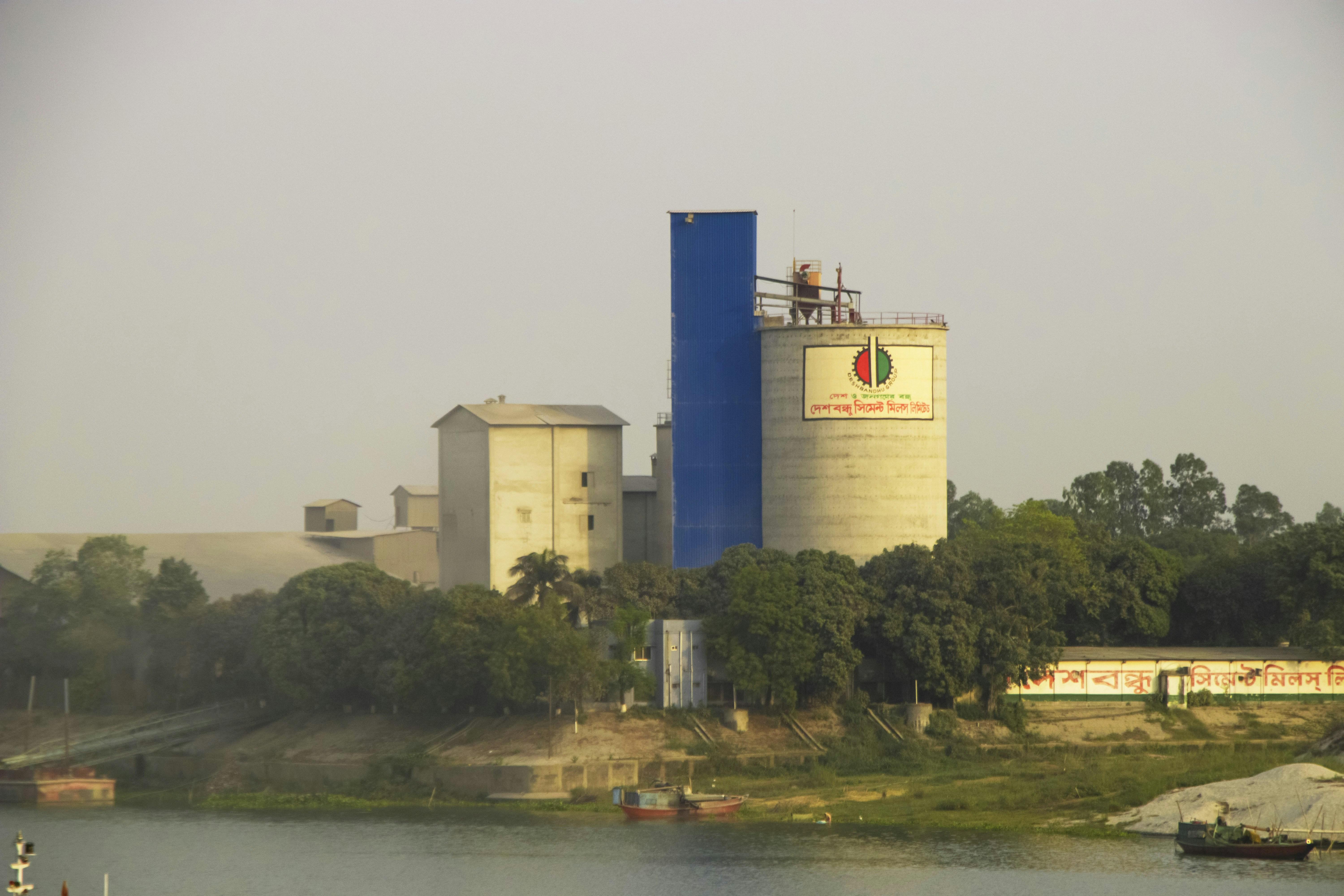
Navigating the Selection Maze: Key Factors to Evaluate When Choosing an Automatic rice mill plant
When venturing into the selection of an automatic rice mill plant, it’s critical to adopt a structured approach to evaluate your options. Consider these essential factors:
- Production Capacity: assess your operational scale. If you’re aiming for a large output, you might need a plant that can process over 500 kg of rice per hour. For smaller operations, a mill with a capacity of 100-200 kg might suffice. Align your choice with your growth projections.
- Technology and Automation: Look into the level of automation offered. Higher automation generally enhances efficiency and minimizes manual errors. Such as, mills with integrated digital controls can help monitor moisture levels in real time, ensuring better quality of the final product.
- Cost of Operation: Evaluate not just initial investment but also ongoing costs such as energy consumption and maintenance. A plant with energy-efficient motors may have a higher upfront cost but coudl save you up to 20% on electricity bill over time.
- After-sales Support: Consider manufacturers that provide robust after-sales service. A provider that offers timely maintenance can prevent production delays and reduce unexpected breakdown costs.
While refining your choices, it’s also crucial to understand potential pitfalls.Many businesses overlook space requirements. Prior to purchase, ensure your facility can accommodate the necessary machinery; a cramped setup can hinder operations and increase the risk of accidents. Additionally, be cautious about brand reputation. Opting for a lesser-known brand for cost savings can backfire if they lack proven performance records or support. As a notable example, mills sourced from countries with less stringent manufacturing standards frequently enough face reliability issues.To make smarter choices, conduct thorough research, and seek user reviews. Creating a checklist based on your needs can help focus your evaluation process and avoid common mistakes—this is your roadmap to navigating the selection maze efficiently.

Common Pitfalls to Avoid: Insights for a Successful rice mill plant Investment
When investing in an automatic rice mill plant, being mindful of common pitfalls can considerably impact your success. Here are key considerations to keep in mind:
- Neglecting Due Diligence: Research various suppliers thoroughly. Check their track record by looking at reviews, testimonials, and requesting case studies from similar clients.
- Underestimating Total Costs: Calculate not just the initial investment but ongoing operational costs, including maintenance, energy consumption, and labor. A breakdown of these expenses is essential to avoid unexpected financial strains:
| Cost Category | Estimated Percentage of Total Cost |
|---|---|
| Initial Purchase | 40% |
| maintenance | 25% |
| labor | 20% |
| Energy | 10% |
| Miscellaneous | 5% |
Additionally, it’s crucial to prioritize scalability in your investment. Many mills fail due to a lack of consideration for future demand. Choose equipment that is adaptable and can grow with your business needs. Form partnerships with experienced technicians to ensure your equipment operates optimally. Regular maintenance schedules and training sessions for staff can prevent costly downtimes. By adopting a proactive approach in each of these areas, your rice mill plant is more likely to succeed and yield profitability in the long run.
Efficiency Unlocked: Criteria for Optimal Operation in Your Rice Milling Process
To ensure optimal operation in your rice milling process, focus on the following criteria that can greatly enhance efficiency and reduce waste:
- Equipment Compatibility: Ensure that all components of the milling process, from the paddy separator to the rice whitener, are compatible and can work together seamlessly. Such as, mismatching a high-capacity mill with a low-capacity pre-cleaner can create bottlenecks, increasing operational downtime and reducing overall efficiency.
- Moisture Control: Monitor and control the moisture content of the paddy before milling.Ideal moisture levels for milling range between 14-16%. Using sensors and moisture meters can help prevent issues such as breakage or poor milling quality, which often lead to increased waste.
- Operational Training: Regularly train your staff to handle and maintain the machinery correctly.A poorly trained operator might overlook critical machine settings, leading to inefficiencies or damage. Consider developing a standard operating procedure (SOP) for your team to follow, ensuring consistent performance.
additionally, take note of common pitfalls and proactive measures to avoid them:
- Regular Maintenance: Implement a preventive maintenance schedule. Machines operating beyond their recommended service intervals tend to underperform.For example, a worn-out rice husker might leave excess husk on the grain, increasing waste and affecting the output quality.
- Versatility in Production: Choose a rice mill plant that allows for speedy adjustments to process different varieties of rice. this versatility minimizes downtime when switching between products, keeping your operations smooth. Track how changes in demand impact your production rate, so you can adapt your processes accordingly.
- Data Tracking: Invest in a system that allows you to track operational efficiency metrics regularly. This should include yield ratios, downtime periods, and product quality measurements. use this data to identify patterns and areas for improvement,such as whether rice bran losses are increasing and pinpoint the cause.
From Vision to Reality: Practical Steps for Implementing a High-Performing Rice Mill Solution
Bringing your rice mill vision into reality requires a meticulously structured approach. Start by conducting a detailed needs assessment that involves evaluating your current processes and identifying areas of waste and inefficiency. Create a checklist to focus your research: Production Capacity, Technology Options, Budget Constraints, and Workforce Training.for example, if you currently process 5 tons of rice per day and aim to scale up to 10 tons, consider equipment with modular components that allow for easy upgrades rather than a complete overhaul. Additionally, always consult with manufacturers about the maintenance requirements and availability of spare parts to avoid unexpected downtimes related to equipment failures.
While selecting technology, aim for automated solutions that include AI-driven enhancements for quality control and predictive maintenance. Many businesses make the mistake of underestimating the importance of training their workforce on new systems—ideally, training should be an integral part of your implementation plan to ensure staff are educated and efficient with the technology. Engage your team during the selection process; their insights can lead to smarter choices. As an example, involve them in pilot runs before full implementation to identify any operational bottlenecks early. Here’s a quick decision table to refine your options:
| Criteria | Considerations |
|---|---|
| Energy Efficiency | look for mills with high energy ratings or those that utilize renewable energy sources. |
| scalability | Choose modular machines that allow for gradual upgrades. |
| Automation Level | Prioritize mills that incorporate AI and IoT capabilities for optimal monitoring. |
| Supplier Support | Evaluate the quality of after-sales support and availability of parts. |
Final Thoughts
finding the perfect automatic rice mill plant tailored to your operational needs is a journey that demands careful consideration and strategic decision-making. By maximizing efficiency and minimizing waste, you can not only enhance productivity but also contribute to sustainable practices in agriculture. As you embark on this endeavor, remember to weigh factors such as technology, capacity, and support services to make informed choices that align with your business goals. With the right tools and insights at your disposal, you’re well on your way to transforming your rice processing operations into a model of efficiency. Here’s to a future where your rice milling endeavors flourish, yielding high-quality results while preserving our planet’s precious resources.