In the ever-evolving landscape of modern agriculture, efficiency is the cornerstone of success. Farmers around the globe are continually seeking innovative solutions to streamline their operations, reduce labor costs, and enhance their productivity.Enter the mini rice mill—a compact powerhouse that promises to revolutionize the way rice is processed. this article delves into the myriad benefits and essential features of mini rice mills, exploring how these small yet formidable machines are not only transforming traditional farming practices but also paving the way for a more lasting agricultural future. Join us as we unlock the potential of mini rice mills and discover their significant role in promoting efficiency and profitability in today’s agrarian communities.
Exploring Mini Rice Mills: A Comprehensive Guide to Modern Agricultural Efficiency
Mini rice mills are compact, efficient machines designed for the modern agricultural landscape, specifically tailored to streamline the rice processing workflow. These mills vary in capacity, size, and features, allowing farmers and small mill operators to choose a model that best fits their operational needs. Commonly, these machines incorporate functionalities such as husking, polishing, and grading in a single unit, which not only saves space but also minimizes labor costs. The benefits of adopting a mini rice mill include increased efficiency, reduced processing time, and enhanced quality of the final product, making them a pragmatic choice for small to medium-sized enterprises. Additionally, they support local economies by enabling farmers to process their harvests locally, thus retaining more value within the community.
Despite their advantages, potential buyers should be aware of challenges such as initial investment costs and maintenance needs. In comparing mini rice mills to traditional larger models, one key distinction is the scale of production; while larger mills excel in high-output environments, mini mills are ideal for smaller batches and localized processing. when evaluating options, consider factors such as energy consumption, ease of operation, and the availability of parts for repairs. A practical approach is to review specifications from various brands, like ABC Rice Mills, XYZ Machinery, or RiceTech, and to consult with current users for firsthand insights.For those considering a purchase, investing in a reliable mini rice mill can considerably enhance productivity and contribute to sustainable agricultural practices.
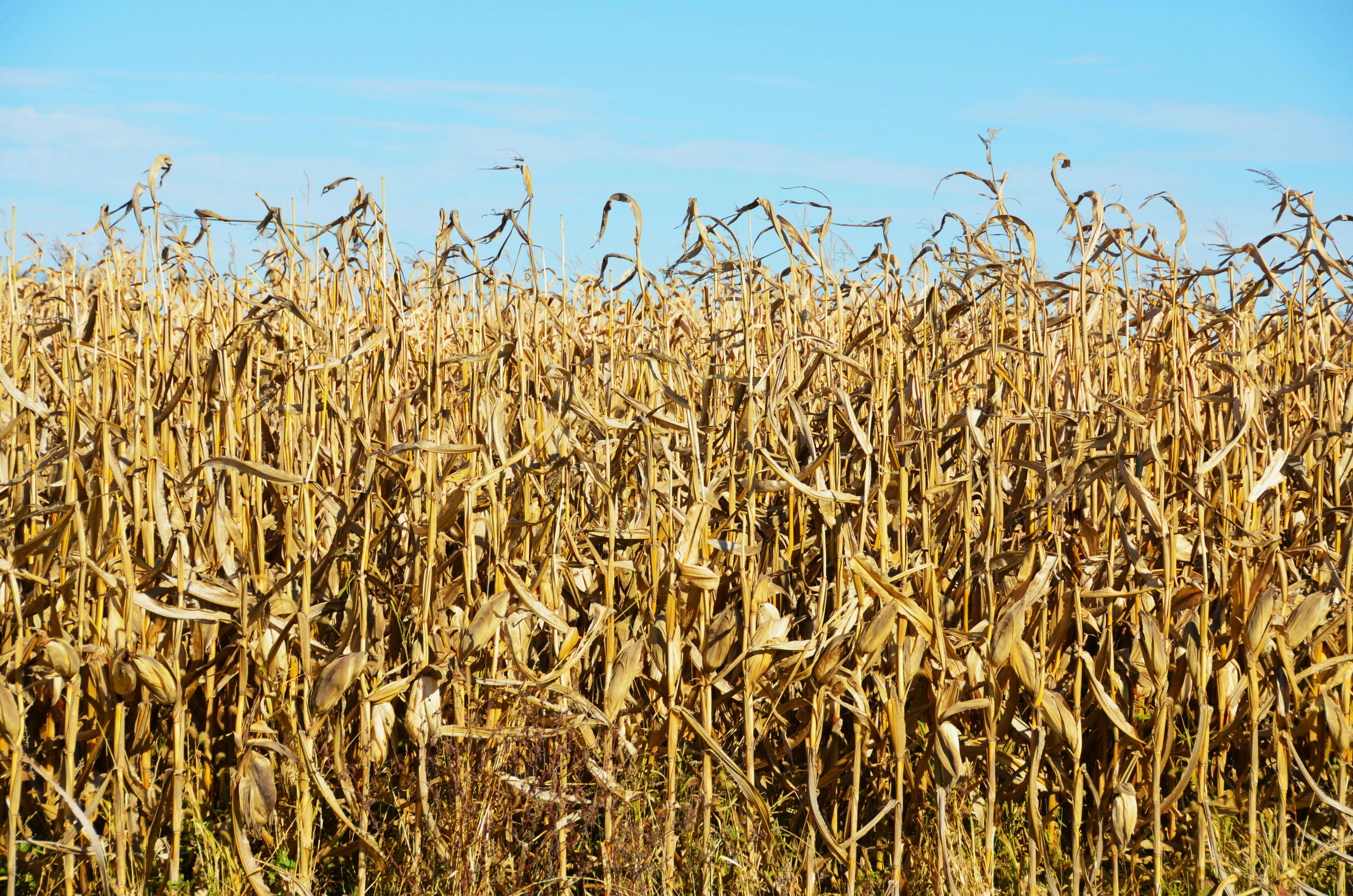
Transforming Harvests: understanding the Advantages and Key Features of Mini Rice Mills
Mini rice mills are compact, efficient machines designed to process rice in a small-scale setting, making them an attractive option for farmers and agricultural entrepreneurs. These mills typically feature several integrated processes, allowing for the easy transformation of paddy into market-ready rice with minimal labor and time. The advantages of mini rice mills extend beyond convenience; they include:
- Cost-effectiveness: Lower initial investment and operational costs compared to larger milling setups.
- Space-saving design: Compact size makes them suitable for small farms or rural settings.
- Reduced processing time: Streamlined operations result in quicker turnaround, enabling farmers to increase production rates.
- Enhanced product quality: Improved milling capabilities lead to higher yield and better quality of rice.
- Customizable settings: Many models allow users to adjust settings to achieve desired outcomes based on grain type and quality.
Farmers often face challenges when choosing milling solutions, such as balancing quality with quantity and navigating high processing costs. Mini rice mills provide an effective solution by addressing these issues directly. For instance, the lower power consumption of these mills makes them economically viable, especially in areas with limited resources. When comparing different models, consider factors such as processing capacity, energy efficiency, and ease of maintenance. Many modern mini rice mills are equipped with advanced features like automatic weight sensors and dust-free operations, which further enhance their appeal. investing in a mini rice mill is a strategic step towards unlocking greater efficiency and profitability in rice farming.
Common Misconceptions About Mini Rice Mills and Their Role in Sustainable Farming
Many farmers considering the adoption of mini rice mills may hold misconceptions about their effectiveness in sustainable farming. One common belief is that these mills can only handle small-scale operations and are not suitable for larger production needs. In reality, modern mini rice mills are designed with advanced technology that allows them to efficiently process significant quantities of rice with minimal energy consumption. They can effectively meet the demands of both smallholder farmers and larger enterprises, ensuring they contribute positively to productivity without compromising on sustainability.
Another prevalent misunderstanding is that mini rice mills compromise the quality of the rice produced. However, these machines are built with features that enhance the milling process, such as adjustable settings for different grain types and husking systems that reduce damage to the grain. The benefits of using mini rice mills go beyond just higher yield; they also promote environmental sustainability by reducing waste through efficient processing methods. Here are a few reasons why mini rice mills are integral to sustainable farming:
- Energy Efficiency: Lower energy consumption compared to traditional mills.
- Waste Reduction: More effective husking minimizes waste output.
- Better Quality: Enhanced milling technology preserves rice quality.
- Accessibility: Designed for use by small and medium-sized farms.
For farmers looking to improve their farming practices, it is essential to understand that mini rice mills represent a smart investment in both efficiency and sustainability, allowing them to maintain competitive advantage while safeguarding the environment.
Choosing the Right mini rice mill: Essential Factors for Maximizing Agricultural Output
When selecting a mini rice mill, several essential factors can significantly impact agricultural efficiency and productivity. First, consider the mill’s capacity, which determines how much rice can be processed within a given timeframe. For small-scale farmers or cooperatives, a mill with a capacity of 200-500 kg per hour may suffice, whereas larger operations should aim for higher capacities to meet increased demand. Additionally, assess the mill’s durability and maintenance requirements. A machine made from high-quality materials will often last longer and require less frequent repairs, saving you time and financial resources in the long run. It’s also crucial to examine the type of milling technology employed. Common types include traditional stone mills and modern steel roller mills, each offering different benefits in terms of yield and grain quality.
Another vital aspect to evaluate is the energy consumption of the mini rice mill. More efficient models consume less electricity, which is especially vital for farmers operating on a tight budget. Additionally, consider ease of operation and the level of automation available. Automated mills can help minimize labor costs and ensure consistent quality, making them a worthwhile investment. It’s beneficial to research and compare several brands, focusing on those with good customer support and positive reviews. Here are some criteria to keep in mind when making your decision:
- Production capacity: Look for a mill that can handle your expected rice output.
- Maintenance ease: Select a model known for low maintenance needs.
- Energy efficiency: Opt for machines that offer lower power consumption.
- Technology: Choose between different milling technologies based on your objectives.
- After-sales service: Ensure the brand provides adequate customer support.
By taking these factors into account, you can choose a mini rice mill that not only meets your operational needs but also enhances overall production efficiency in your agricultural practices.
Key Takeaways
As we conclude our journey through the world of mini rice mills,it becomes evident that these compact yet powerful machines are not just a trend but a transformative force in modern agriculture. By enhancing efficiency, reducing labor costs, and ensuring higher quality yield, mini rice mills stand at the forefront of agricultural innovation. They symbolize a shift towards sustainable practices that empower farmers, enabling them to thrive in an increasingly competitive landscape.
By integrating technology with tradition, these mills offer a unique solution that bridges the gap between age-old farming practices and modern demands. As agricultural challenges evolve, so too must our approaches to farming and production. Embracing the benefits and features of mini rice mills can unlock new potentials for farmers across the globe, paving the way for a more productive and sustainable future.
Whether you are a seasoned farmer or just stepping into the world of agriculture, it is clear that the time has come to re-evaluate and adapt. The future of farming hinges not only on the size of the operation but on the ingenuity and tools we choose to embrace. Mini rice mills are just the beginning—a glimpse into a future where efficiency and innovation go hand in hand. the journey toward unlocking new possibilities in agriculture has only just begun.