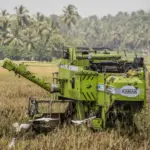
In the vast expanse of green fields that stretch across continents, a quiet revolution unfolds beneath the sun-drenched skies—the journey of rice machinery and the profound impact it wields on countless lives.”From Field to Future: The Untold Journey of Rice Machinery and the Lives It Transforms” delves into this intricate tapestry,where tradition meets innovation in a dance of sustainability and progress. As the world grapples wiht the dual challenges of food security and environmental stewardship, rice machinery emerges not just as the unsung hero of agricultural production, but as a catalyst for social change. In this article, we will explore the evolution of these machines—from humble beginnings to advanced technology—uncovering the stories of farmers, laborers, and communities that thrive through the seamless integration of mechanization in an age-old practice. Through their experiences, we will illuminate the path toward a more resilient future, celebrating the unseen bonds between man, machine, and the grain that sustains us. Join us as we unravel this compelling narrative of agricultural conversion, revealing the untold journeys that begin in the fields and stretch far beyond.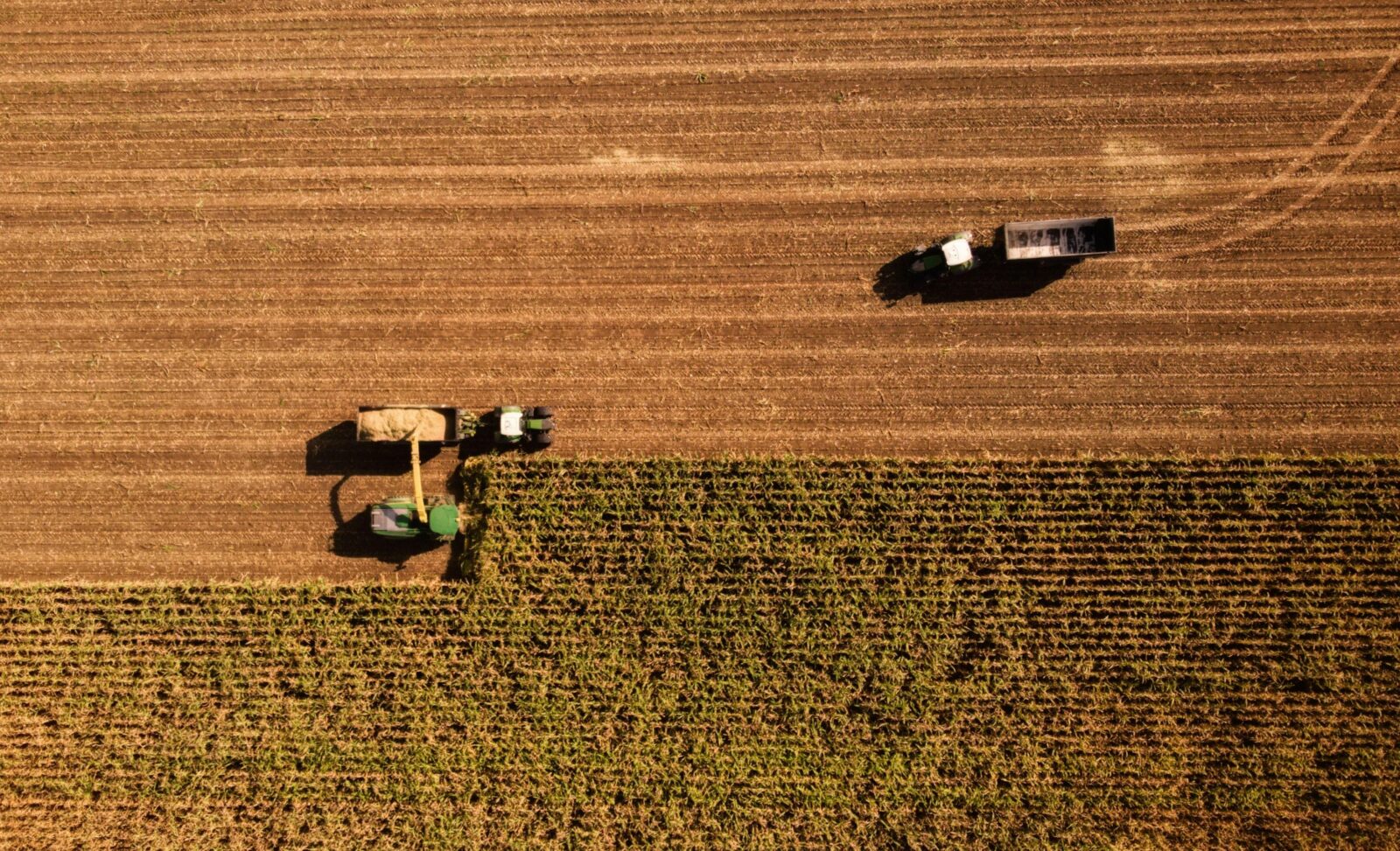
Harvesting Hope: Revealing Stories Behind Innovative Rice Machinery
In the small village of Narsingdi,Bangladesh,a farmer named Rahim often woke before dawn to till his rice fields by hand. For years, he relied on customary methods, which yielded modest crops and required immense labor. However, everything changed when he came across a demonstration of a new, innovative rice harvester during a local agricultural fair. With great skepticism yet a hint of excitement, Rahim decided to test this machinery. Initially, he feared the machine would break down or the cost would outweigh potential gains. yet, after the first day of using the harvester, he spent less than half the time on his field and harvested almost double the yield compared to his previous years.Rahim’s success story turned into a ripple effect in his community, inspiring fellow farmers to adopt machinery. Here are a few lessons learned:
- Embracing Change: The initial apprehension towards innovative technology is common, but adapting often leads to unexpected rewards.
- Community impact: One farmer’s success can catalyze collective growth, encouraging neighbors to embrace modern practices.
Meanwhile, across the globe in the philippines, Maria, a single mother of three, faced a daunting decision each planting season. With her limited resources, she juggled between purchasing seeds and renting harvesting equipment.Every year felt like a gamble, with expectations high but results often disappointing due to manual labor constraints. A local agribusiness initiative provided Maria with access to affordable, communal machinery, shifting her entire farming process. Instead of spending weeks on harvesting, she completed the task within days and even had the chance to sell excess crop at the market. The transformation felt surreal: she now dedicated her time to her children and her buisness, often reflecting on how the machinery changed her life. Some takeaways include:
- Empowerment through Resources: Access to innovative tools can free up valuable time, allowing for personal and familial growth.
- Investment in Agriculture: Community-driven initiatives can have a profound impact,lifting individual farmers from subsistence to thriving.

Bridging Generations: How Modern Technology is Reshaping Rural Lives
In the heart of rural India, where verdant rice paddies stretch as far as the eye can see, the stories of older farmers contrast sharply with the lives of their tech-savvy children. Take the case of Rajesh, a seasoned farmer who has spent decades tilling the soil using traditional methods passed down through generations. for him, the rhythm of the seasons dictates life, and every planting season is accompanied by the familiar sounds of plowing blades. However, as his son Aman returned home after studying agricultural technology in the city, a transformative approach to farming began to unfold in their family. Aman suggested using automated rice planters and drones for monitoring crop health—ideas Rajesh initially dismissed, considering them a breach of tradition. Yet,as Aman successfully demonstrated the efficiency and increased yield of these technologies,Rajesh found himself at a crucial decision point: to embrace change or cling to the past. The increase in their harvests proved undeniable, allowing the family to invest in education and healthcare, reshaping their rural life for the better.
This generational clash showcases the profound impact of modern machinery and technology on rural livelihoods.In another village, a cooperative of farmers implemented a shared usage model for rice machinery, including powerful tractors and seeders, through a digital app that manages bookings and payments. Previously, individual farmers struggled to invest in expensive equipment. However, with smartphone access becoming more common, the cooperative model flourished, significantly reducing the workload and time spent on farming tasks. The table below summarizes the tangible benefits these technologies have brought to the community:
| Aspect | Traditional Method | Tech-Enabled Approach |
|---|---|---|
| time Spent Per Acre | 3-4 days | 1-2 days |
| Yield Increase | 60-70 quintals | 80-90 quintals |
| Child Enrollment in Schools | 40% | 75% |
This contrast highlights a broader trend: modern technology isn’t just reshaping farming; it’s rebuilding communities. As older farmers learn to embrace these advances, they bridge the gap between generations, creating a richer tapestry of rural life, where traditional wisdom meets innovation. Farmers like Rajesh and organizations fostering cooperative models embody the shift toward a future that is no longer an option but a necessity for sustainable rural development.
Navigating Challenges: The Farmers Who Rely on Rice Machinery to Survive
In rural Vietnam, a rice farmer named Thanh faces a dilemma that many in his community encounter. The traditional method of hand harvesting rice has served his family for generations, but with increasing labor costs and unpredictable weather patterns, thanh understands that adapting to modern technology is crucial for survival.After much contemplation, he invests in a combine harvester, a decision born from necessity rather than desire.The machine costs him a meaningful portion of his savings, yet the promise of increased efficiency and reduced labor hours is a glimmer of hope. Within a few weeks, Thanh’s expectations materialize: his rice yield doubles, and he can now focus on his children’s education rather than endless hours in the fields. Though, the reality of operating the machinery poses its own challenges. Initial learning curves and mechanical failures raise anxieties about his investment, but with the support of local agricultural cooperatives providing training, Thanh gains confidence and turns these setbacks into opportunities for innovation.
Meanwhile, across the border in India, farmer Priya represents a contrasting perspective. Having always relied on small-scale, labor-intensive techniques, she initially viewed machinery with skepticism, fearing it would strip away the essence of farming.Though, after witnessing neighboring farms thrive after transitioning to rice-transplanters and threshers, she realizes that embracing machinery might not mean losing her connection to the land but enhancing it. After attending a workshop on sustainable mechanization, Priya makes a pivotal choice to invest in a small transplanter.The expense challenges her finances, but the labor saved transforms her daily reality, allowing her to spend more time with her family. The machine increases her output significantly, yet it is indeed the unexpected benefit—her newfound ability to experiment with crop rotations and diversifying her income through organic farming—that reshapes her future. Both Thanh and Priya illustrate how navigating the complexities of rice machinery has not only altered their farming practices but also redefined their lives, encapsulating the adaptive spirit necessary for survival in a changing agricultural landscape.
Seeds of Change: Transformative Impacts of Technology on Traditional Practices
The introduction of machinery in rice cultivation has not just changed the efficiency of farming; it has fundamentally shifted the landscape of rural life. Take, for example, the story of Sarita, a rice farmer in West Bengal. For years, she manually planted and harvested her fields, echoing the rhythms of her ancestors. The time spent each day was not just measured in hours but in the strength of her hands and the weariness of her back. however, after receiving a small grant to invest in a rice transplanter, her life began to change. The initial skepticism about technology’s role in agriculture, driven by a fear of it disrupting traditional practices, soon gave way to a newfound optimism. With the transplanter, she was able to increase her planting speed tenfold, allowing her to extend her cultivation area.The time saved meant she could help her children with their studies,something she had previously considered a luxury she couldn’t afford.
This shift brought about ripple effects. As Sarita found herself with increased time and a better yield, she decided to share her experiences with neighboring farmers. Unexpectedly, she became a local leader, guiding others through the transition to mechanized farming. Many were hesitant, fearing the steep learning curve associated with operating machinery, but their expectations clashed with reality. In practical workshops, it was evident that with adequate training, even the most traditional farmers could master modern technology.Small groups formed to share resources,and soon,a community of progressive rice farmers emerged,focused on sustainable practices and technological integration. The journey from being mere laborers in their fields to becoming informed stewards of technology illustrated a significant transformation not just in farming techniques, but also in the community’s perception of its future.
Wrapping Up
as we conclude our exploration of the intricate journey that rice machinery embarks upon, we are reminded that technology plays an essential role not just in agriculture, but in shaping the lives of those who cultivate our most cherished staple. The story of rice machinery is more than one of gears and engines; it is indeed interwoven with the hopes, dreams, and resilience of farmers who depend on its evolution for their livelihoods.
From the humble tools that once graced family farms to the state-of-the-art machinery of today’s fields, we witness an ongoing transformation that reverberates through communities. Each innovation brings with it new possibilities, enhancing productivity, sustainability, and the very essence of rural life. This journey invites us to recognize the very human experiences behind the machines—stories of dedication, perseverance, and the spirit of innovation.
As we look to the future, let us carry with us the lessons learned from the past, fostering a harmonious relationship between technology and tradition. The journey of rice machinery is far from over; rather, it is continually evolving as it adapts to the challenges of tomorrow.In honoring this intricate interplay, we can cultivate not only a more productive agricultural landscape but also a future where every grain tells a story of human ingenuity and growth.