In an era defined by rapid technological evolution, the agricultural sector stands on the precipice of change, with paddy processing plants at the forefront of this change. The journey from paddy to polished rice has always been a blend of art and science, but recent advancements are reshaping the way this staple is processed, pushing the boundaries of efficiency and quality. As the global demand for rice surges alongside the need for sustainable practices, understanding the intricacies of performance metrics, cutting-edge processing techniques, and critical decision factors becomes paramount for operators and stakeholders alike. This article delves into the technological innovations revolutionizing paddy processing plants,illuminating how these developments enhance operational effectiveness and redefine industry standards—ultimately paving the way for a more resilient and responsive agricultural future.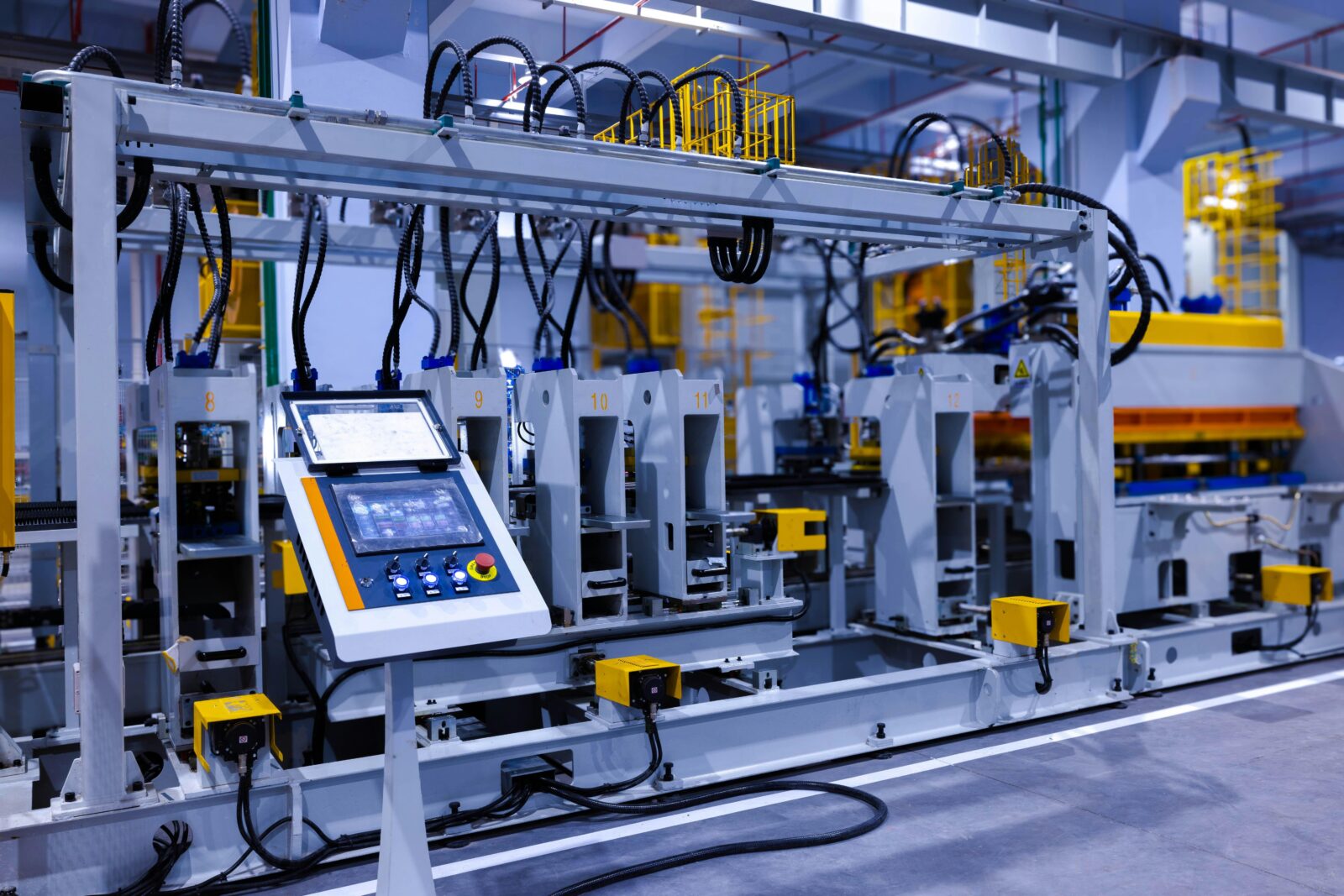
Innovative Machinery and Automated Systems: Transforming Efficiency in Paddy Processing Operations
Innovative machinery and automated systems play a pivotal role in enhancing efficiency within paddy processing operations. Advanced systems such as automated paddy separators,multi-stage milling machines,and color sorters are designed to streamline the workflow,reduce manual handling,and increase throughput. As a notable example, the integration of smart moisture sensors within drying systems allows for real-time monitoring of paddy moisture content, adjusting drying temperatures and duration to optimize quality while preventing losses due to spoilage.This precision leads to a reduction in waste and increases the overall yield; a metric that can be considerably improved by employing such technology.
When considering the deployment of new machinery, several key performance factors must be assessed, including machinery capacity, energy efficiency, processing speed, and maintenance requirements. Such as, while conventional milling setups may handle around 2 tons of paddy per hour, modern high-capacity systems can process upwards of 5 tons per hour with less energy consumption, translating to more cost-effective operations. The specifications of these systems often include:
- Capacity: 2-5 tons/hour
- Energy Consumption: 20-30% less than conventional systems
- automation Level: Fully automated with minimal human intervention
- Maintenance Interval: Extended intervals due to advanced materials and design
Moreover, limitations such as initial capital investment and the need for technical expertise must be weighed against long-term benefits like lower operational costs and increased output. A comparative analysis of performance metrics emphasizes that while customary systems may have lower initial costs, the return on investment (ROI) from modern automated systems typically favors innovation due to increased efficiency and reduced downtime.

Evaluating Processing Techniques: Balancing Quality, Yield, and Sustainability in Paddy Production
When evaluating processing techniques in paddy production, several core mechanisms come into play that affect the overall quality, yield, and sustainability of the end product. Processing methods, such as traditional wet milling versus modern dry milling, can lead to critically important differences in both yield and quality. For instance, wet milling generally results in a higher recovery rate of whole grains but may require more water and energy, raising sustainability concerns. In contrast, dry milling, which is more environmentally friendly in terms of water usage, can simplify the post-harvest process but often compromises grain quality, especially in terms of broken rice percentage. We can summarize the comparison of these approaches in the following table:
| Processing Method | Yield (%) | Water consumption (L/kg) | Quality (Broken Rice %) |
|---|---|---|---|
| Wet Milling | 68-72 | 3-5 | 5-10 |
| dry Milling | 65-70 | 1-3 | 10-15 |
In addition to processing methods, specific performance metrics serve as critical criteria in assessing the efficiency of paddy processing plants.Vital factors include energy consumption per ton of paddy processed, throughput capacity, and operational downtime. Automated systems employing infrared sensors for sorting, for example, improve yield by minimizing the loss of good grains while enhancing quality by ensuring uniformity. However, the implementation of high-tech solutions often comes with initial capital investments and maintenance costs that could deter adoption in lower-margin operations. Evaluating sustainability also involves examining carbon footprints and waste management capabilities. Techniques like biogas generation from husks can convert waste into renewable energy sources,enhancing sustainability while possibly reducing operational costs. Thus, decision-making in paddy processing involves a nuanced balance of economic viability, technological integration, and environmental stewardship, with each plant needing to tailor it’s processing techniques based on local conditions and market demands.
Material Science advances: Enhancing Durability and Performance in Paddy Processing Equipment
Recent advancements in material science have significantly enhanced the durability and performance of paddy processing equipment. Innovations in composite materials, for instance, have led to the development of lightweight yet high-strength components, which reduce energy consumption during processing.this shift towards advanced polymers and nanocomposites is crucial in environments where resistance to moisture, abrasion, and thermal fluctuations is necessary. Corrosion-resistant coatings, like polyurea and epoxy, can increase the lifespan of critical machinery parts, such as huskers and polishers, leading to lower maintenance costs and decreased downtime. Specific criteria for selecting these materials revolve around their mechanical properties, such as tensile strength and hardness, as well as their chemical resistance and moisture absorption rates, which must align with operational conditions in paddy processing.
Performance metrics for evaluating the effectiveness of these materials include wear resistance, operational efficiency, and overall lifecycle costs. In comparative studies, using hardened steel components in husking machines showed a wear reduction of up to 30% when replaced with advanced ceramic composites, which also minimized the uneven cracking of grains, leading to better milling outcomes. However, it’s important to recognize potential limitations, such as cost implications of high-grade materials and the specific application requirements that can restrict their use. Factors influencing these decisions further range from the scale of operation, processing capacity, and volatility in paddy sources, to environmental considerations. A thorough analysis frequently enough utilizes a cost-benefit table evaluating both immediate expenditures and long-term returns on investment to assist decision-making processes.
Strategic Engineering Decisions: Critical Factors Influencing Optimal Performance Metrics in Paddy Processing Plants
strategic engineering decisions in paddy processing plants are pivotal in determining optimal performance metrics. Among the critical factors influencing these decisions are:
- Processing Techniques: The choice between traditional and advanced processing methods, such as parboiling versus continuous flow milling, has a significant impact on yield and quality.For instance, parboiling enhances nutritional content but requires higher energy inputs.
- Equipment Specifications: Selecting high-efficiency machinery with optimal capacity to match production needs minimizes energy consumption and downtime. Advanced milling machines may include features such as variable frequency drives (VFD) to better control milling speeds and reduce grain breakage.
- Automation level: Implementing Automated Process Control (APC) systems can improve consistency in processing and reduce labor costs.However, initial investments in technology can be considerable.
- Quality Control Mechanisms: Incorporating real-time quality assessment tools, such as near-infrared spectroscopy (NIRS), can significantly enhance product quality monitoring but may involve steep learning curves and operational complexities.
When comparing performance factors, a crucial aspect is the processing efficiency ratio, which indicates the efficiency of output versus input resources consumed. For example, a plant using an effective husker separator may achieve a >95% milling yield versus 85% with a traditional husker. Though, limitations exist in equipment compatibility and the adaptability of certain processing techniques to varying grain types and moisture content, potentially impacting overall performance. Additionally, maintaining optimal process temperatures is essential for achieving quality, with specific recommended ranges for operations like drying and milling, outlined in the table below:
| Process | Optimal Temperature (°C) |
|---|---|
| Drying | 50-70 |
| Milling | 60-75 |
| cooling | Below 30 |
making informed, strategic engineering decisions in paddy processing involves a balance of process efficiency, technology adoption, and quality control, all critical in achieving superior operational performance and product quality.
Final Thoughts
as we conclude our exploration of technological advances in paddy processing plants, it becomes clear that innovation is not merely an enhancement but a vital cornerstone in the realm of agricultural efficiency. By meticulously analyzing performance metrics, embracing state-of-the-art processing techniques, and understanding the nuanced decision factors that drive optimal operations, stakeholders in the rice production industry can cultivate a future that harmonizes productivity with sustainability.
The journey of transforming raw paddy into a quality final product is marked by both challenges and opportunities. Embracing modern technology not only elevates operational standards but also ensures a resilient supply chain capable of meeting the demands of a growing global population. As we look forward, the integration of these technological advancements will undoubtedly shape the landscape of paddy processing, fostering a new era of innovation where precision, efficiency, and sustainability go hand in hand.
In this dynamic environment, stakeholders are encouraged to remain adaptable and informed, continually seeking out advancements that can drive performance and impact. The path to excellence in paddy processing is ever-evolving, and with the right tools and insights, it is a journey that promises both profitability and progress for all involved. Let us embrace this technological revolution and pave the way for a more prosperous future in agriculture.