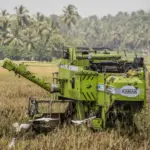
In the heart of agricultural innovation, paddy processing plants stand as pivotal hubs for transforming raw rice into the staple food enjoyed by billions worldwide. As demand for high-quality rice escalates, the pressure mounts on these facilities to not only enhance efficiency but also maximize yield without compromising on quality. This article delves into the intricate world of modern paddy processing plant design, exploring the latest technological advancements and performance metrics that redefine industry standards. From meticulous layout planning and state-of-the-art machinery selection to the implementation of data-driven practices, we will uncover the multifaceted strategies that contribute to superior productivity. Join us as we embark on a technical journey, shedding light on how optimizing efficiency and yield can revolutionize paddy processing in today’s fast-paced agricultural landscape.
Innovative structural Paradigms in Paddy Processing Facilities Enhancing Throughput and Sustainability
Innovative structural paradigms in paddy processing facilities focus on enhancing throughput and sustainability through advanced engineering and design principles. One critical aspect is the development of modular processing systems that allow for scalable operations. These systems can adjust to varying paddy volumes and include components such as pre-cleaners, dehusking machines, and polishing units, all housed in a compact, flexible layout. A comparative analysis between traditional linear flow systems and modular designs reveals that modular systems can achieve a 20-30% increase in processing speed due to reduced transfer times and enhanced workflow efficiency. The incorporation of multi-stage cyclone dust separators, as seen in recent installations, not only improves grain quality but also complies with environmental regulations by minimizing waste and emissions.
In terms of sustainability, the implementation of energy-efficient technologies such as variable frequency drives (VFDs) in motor systems can optimize energy consumption, achieving savings of up to 40% compared to traditional systems.Additionally, the integration of renewable energy sources like solar panels for auxiliary power can reduce the carbon footprint of processing plants. Nevertheless, the adoption of these innovative technologies may encounter limitations, such as higher initial capital investments and the necessity for skilled personnel for maintenance. Comparing performance metrics across different designs shows that facilities utilizing these modern approaches not only enhance paddy yield but also improve overall operational resilience, a vital factor in adapting to fluctuating market demands and climatic challenges.

Evaluating Material Choices and Technological Advancements for Optimal Grain Quality in Modern Processing Systems
In modern paddy processing plants, selecting the right materials and leveraging technological advancements are critical for maintaining optimal grain quality. Key criteria for material selection include durability, chemical resistance, and mechanical properties. Stainless steel, such as, is frequently enough preferred for equipment in contact with rice, as it does not react with moisture or rice starch, thus avoiding contamination. Other materials, like high-density polyethylene (HDPE), are effective in storage applications due to their lightweight and resistance to mold. The specifications for these materials must align with operational parameters, including temperature and humidity, to ensure longevity and prevent degradation. Moreover, equipment design, such as the use of low-abrasion mechanisms in husking and milling systems, is essential to minimize grain damage, ultimately affecting yield and quality.
Technological advancements, such as optical sorting systems, have revolutionized the paddy processing workflow, allowing for enhanced grain quality analysis through real-time monitoring. By using near-infrared (NIR) sensors and advanced algorithms, these systems can identify defective grains and foreign materials more efficiently than traditional methods. in addition, the implementation of artificial intelligence (AI) to analyze processing data helps optimize machine settings, further improving yield and reducing energy consumption. However,the integration of these technologies must account for potential limitations,such as initial investment costs and the necessity of personnel training for effective operation. A comparative table below summarizes some key performance factors of traditional vs. modern technologies in paddy processing:
| Feature | traditional Methods | Modern Technologies |
|---|---|---|
| Efficiency | Moderate | High |
| Grain quality Control | Manual Inspection | Automated Sorting |
| Energy Consumption | Higher | Lower |
| Initial Costs | Lower | higher |
performance Benchmarking and Efficiency Metrics: Dissecting the Engineering Decisions in Paddy Plant Operations
Performance benchmarking in paddy plant operations focuses on evaluating the efficiency of various processes using established metrics. Core metrics often include overall equipment effectiveness (OEE), yield ratios, and energy consumption per ton of processed rice. OEE combines availability, performance, and quality rates to provide a holistic view of operational efficiency. As a notable example, if a plant operates at an availability of 85%, performance at 90%, and quality at 95%, the OEE can be calculated as follows:
OEE = Availability × Performance × Quality = 0.85 × 0.90 × 0.95 = 0.726 or 72.6%
Additionally, comparing past and average yield ratios helps identify bottlenecks, such as a low milling recovery rate which can typically fall between 60-70% for modern machinery, depending on rice variety and processing conditions.Another notable consideration is energy efficiency; measuring energy consumption during various processing stages—hulling, polishing, and grading—offers insights into cost structures and environmental impact. Limitations in these evaluations can arise from variations in raw material quality, machine calibration, and wear over time, which may skew results. Moreover, employing automation technologies, such as IoT sensors, can provide real-time monitoring but necessitates a robust data management system to avoid facts overload. A well-calibrated performance dashboard integrates these factors to ensure that operational decisions are data-driven, adapting the process logic to maximize both yield and resource efficiency.
Challenges and Strategies in Integrating Automation for Continuous Improvement in Rice Processing Efficiency
Integrating automation into rice processing poses several challenges, including the complexity of existing systems, resistance to change from workforce and management, and the initial capital investment required for new technologies. A critical aspect of overcoming these hurdles lies in conducting a thorough feasibility analysis that assesses both logistical and practical implications of automated solutions. Factors such as equipment compatibility, existing workflow analysis, and production volume variability must be meticulously studied. As an example, while robotics can enhance precision in tasks like sorting and packing, their effectiveness might potentially be hindered by inconsistent raw material quality or inadequate infrastructure. Thus,employing technologies that can adapt to diverse grain sizes and moisture levels generally ratings higher in evaluating practical automation investments.
To facilitate a smoother transition towards automation in rice processing, effective strategies should focus on incremental implementation and continuous staff training. Implementing automated systems in phases can mitigate risks and allow for adjustments based on performance metrics collected from initial rollouts. Regular monitoring of key performance indicators (KPIs), such as throughput rates, energy efficiency, and quality control measures, will provide insightful data on both operational efficacy and areas for improvement. Furthermore, leveraging advanced analytics can optimize process logic by identifying bottlenecks or inefficiencies in real-time, allowing for proactive management. The table below illustrates comparisons of traditional processing parameters against automated counterparts for metrics such as yield percentage and operational downtime.
| Parameter | Traditional processing | Automated Processing |
|---|---|---|
| Yield Percentage | 75-80% | 85-90% |
| Average Downtime | 10-15% | 1-3% |
| Labor Cost | High | Moderate |
Closing Remarks
as we have explored the intricacies of modern paddy processing plant design, it is indeed evident that optimizing efficiency and yield is not merely an ambition but a necessity in today’s competitive agricultural landscape. The integration of advanced technologies, streamlined workflows, and performance metrics allows operators to not only maximize output but also to ensure sustainability and quality in rice production.
As we look toward the future, continuous innovation and a commitment to best practices will remain pivotal in refining these processes.By embracing state-of-the-art design principles and performance evaluations, stakeholders can make informed decisions that enhance productivity while respecting the environmental dimensions of agriculture.
In this ever-evolving sector, the paddy processing plant stands as a testament to human ingenuity, embodying the quest for yield optimization and efficiency. As these facilities adapt and grow, they will undoubtedly sow the seeds for a more productive and enduring agricultural future, benefiting farmers, consumers, and the global community alike. The journey has just begun, and the potential for advancement is boundless.