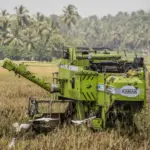
In teh verdant landscapes of China, where rice paddies stretch towards the horizon, a quiet revolution has occurred in the form of rice mills—mechanisms both humble and elegant that have played a pivotal role in transforming this staple grain into a global commodity. The journey of Chinese rice mills encapsulates not only the evolution of agricultural technology but also the intricate tapestry of cultural practices and economic significance woven around this essential crop. From traditional hand-operated techniques to the cutting-edge machinery of today, these mills reflect a formidable response to the growing demands of food security and international markets. As we delve into the historical trajectory, production practices, and trade dynamics associated with Chinese rice mills, we uncover insights that extend beyond the confines of industry, revealing the profound impact on local economies and global supply chains. This exploration invites us to consider how the evolution of rice milling has shaped not only a nation’s agricultural identity but also its position in the ever-evolving landscape of global trade.
Exploring the Historical Development of Rice Milling in China
The historical development of rice milling in China is a complex journey that has evolved alongside technological advancements and changing agricultural practices.To better understand this evolution, consider examining the following key phases:
- pre-modern techniques: Traditionally, rice milling involved manual tools like wooden pestles and mortars. Understanding these methods can provide valuable insights into efficiency gains achieved through mechanization.
- Industrialization (late 19th century): The introduction of steam-powered mills transformed production, allowing for larger outputs and better quality. Researching the transition period can help identify cost-saving strategies when modernizing your operations.
- Post-1949 reforms: The establishment of cooperative farming and state ownership led to critically important changes in rice milling practices. Engage with local agricultural authorities to glean best practices from historical reforms that can be adapted for contemporary use.
When evaluating rice milling operations today, it’s crucial to understand common pitfalls associated with outdated practices. Here are some guidelines that can help make smarter choices:
- Assess equipment age: Older machinery often leads to inefficiencies. Regularly audit your equipment to determine if upgrades or replacements are necessary.
- Implement quality control: The milling process historically faced issues with husk removal and grain breakage. Incorporating modern quality assurance measures can ensure superior product quality, which is vital for maintaining market competitiveness.
- Analyze labor practices: Neglecting worker training can lead to subpar performance. Consider investing in skill development programs to ensure your teams are well versed in new milling techniques.
For those looking to understand the economic implications of rice milling, examining regional variations based on historical developments may offer insights into market trends:
| Region | Historical Development | Current Economic Impact |
|---|---|---|
| Yangtze River Delta | Adoption of mechanized milling in the early 20th century | Leading producer, focus on high-value rice varieties |
| Southwest China | Use of traditional methods until the 1980s | Transitioning to industrial mills for increased output |
| Northeast China | State-run models post-1949 | Modernization efforts in the last two decades |
By following these guidelines and understanding the historical context, stakeholders can make informed decisions that not only enhance production practices but also ensure sustained economic significance and competitiveness in the global market.

Modern production Techniques and Sustainability in Rice Processing
Modern production techniques in rice processing have evolved significantly, driven by technology and an increasing emphasis on sustainability. to optimize operations, stakeholders in the rice milling industry should implement advanced technologies like automated sorting systems and energy-efficient machinery. Check for equipment that allows for real-time monitoring and data collection to enhance quality control and yield. A notable example is the use of Infrared (IR) dryers, which increase energy efficiency while maintaining grain quality. Additionally, consider integrating biodegradable packaging to appeal to environmentally conscious consumers and reduce plastic waste.
Though, common pitfalls include neglecting to assess the lifecycle impacts of production methods and failing to invest in employee training for new technologies. Implementing a sustainability audit can help identify areas of waste and inefficiency. Focus on using renewable energy sources,such as solar or biomass,to power mills,significantly reducing carbon footprints. Utilize a simple table format to track efficiency metrics and identify opportunities for advancement:
| Aspect | Current Status | Improvement Goal |
|---|---|---|
| Energy Source | Fossil fuels | 75% Renewable |
| Water Usage | Average | Reduce by 30% |
| Waste Management | Uncontrolled | Recycling 80% |
Ultimately, making use of these modern techniques encourages smarter choices while promoting a lasting approach to rice processing. Collaborating with local agricultural bodies and sustainability consultants can further enhance these practices and ensure alignment with global best practices.
Economic Contributions of Rice Mills to Local and National Markets
the are profound and multifaceted, influencing both agricultural sustainability and food security. When considering investments or partnerships within this sector, it’s crucial to assess the following:
- Market access: Evaluate rice mills’ distribution networks and identify if they serve local markets effectively. Mills with established connections to wholesalers and retailers enhance the economic footprint of the region.
- Job Creation: Inquire about employment numbers. Successful rice mills often create direct and indirect jobs—labor for harvesting, processing, and transportation. For example, a mill that processes 100 tons of rice typically employs over 30 workers.
- value Addition: Check for the implementation of value-added processes like milling and packaging. mills that offer branded products or specialized rice types (organic, scented) can command higher market prices.This may improve profitability for both the mill and local farmers.
However,challenges frequently arise,and avoiding common pitfalls can make a significant difference. Frequently enough, mills falter due to poor supply chain management or failure to maintain equipment, leading to high operational costs and spoilage. Regularly investing in maintenance can mitigate these risks. It’s advisable to:
- Conduct Equipment Audits: Schedule routine checks to ensure machinery is functioning efficiently—this can enhance output quality and reduce downtime.
- Engage with Farmers: Build relationships with rice producers; ensuring a steady supply is critical.Programs that support local farmers to improve yield can increase the mill’s raw material base.
- Benchmark Performance: Set clear performance metrics against industry standards. Use data from both local and national averages to identify areas for improvement. Such as, if national efficiency rates hover around 85%, aim higher but remain realistic.
navigating Global Trade: Challenges and Opportunities for Chinese Rice Producers
Chinese rice producers face a myriad of challenges in the global trade arena, compounded by fluctuating market demands, stringent regulatory standards, and competition from both domestic and international players. To successfully navigate this landscape, producers should prioritize several actionable strategies:
- Market research: Continuously analyze trends in global rice consumption, especially in key importing countries like the Philippines, Nigeria, and Japan. Use tools such as Trade Map to pinpoint emerging markets that may offer lucrative opportunities.
- Compliance Monitoring: Stay updated on international food safety regulations and tariffs. Ensuring compliance can help avoid costly penalties and disruption in shipments.
- Quality Control Programs: Invest in advanced milling technologies and testing labs to enhance the quality of rice produced. This can improve competitive positioning and open doors to higher-margin export markets.
Additionally, understanding the nuances of trading dynamics can mitigate risks. For instance, producers should check:
- Logistical Considerations: Evaluate shipping routes and costs, as inefficient logistics can erode profit margins.Collaborative partnerships with reliable logistics firms can minimize delays and enhance delivery timelines.
- Pricing Strategies: Establish flexible pricing models that can adapt to market changes. Anchoring prices to commodity indices can help safeguard profitability during downturns.
- Partnerships: Cultivate strong relationships with wholesalers and distributors abroad. Long-term partnerships can lead to consistent demand and potential bulk orders, reducing market volatility impacts.
In Summary
the evolution of Chinese rice mills is a testament to the intricate tapestry of innovation,tradition,and adaptability that defines the nation’s agricultural landscape.As we have explored, these mills not only reflect the technological advancements in production practices but also serve as critical players in the broader economic narrative of China. Their influence extends far beyond domestic borders, shaping global trade dynamics and reinforcing china’s position in the international market.With a rich history underscored by constant transformation, the impact of these rice mills is profound—fueling local economies, sustaining livelihoods, and contributing to food security both at home and abroad. As we look to the future, understanding the interconnections between local practices and global trade will be essential in navigating an ever-evolving agricultural habitat.
as the world continues to change, the story of Chinese rice mills will undoubtedly adapt, revealing new chapters that challenge our perceptions and expand our understanding of this vital industry. Through the lens of these producers, we gain valuable insights into the complexities of agricultural management, market fluctuations, and the cultural significance woven into each grain of rice. The journey of Chinese rice mills is far from over, inviting us to stay attuned to the rhythms of innovation and change that will shape the future of food production for generations to come.