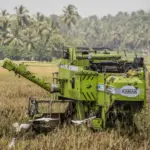
In the heart of rural landscapes, where the golden hues of ripening rice swaying in the breeze tell a story of hard work and tradition, a quiet revolution is taking place. Small-scale rice producers are beginning to unlock new levels of efficiency and productivity through the adoption of modern technology. At the forefront of this conversion is the combined mini rice mill, a compact yet powerful innovation that is changing the game for farmers around the globe. This article explores the multifaceted benefits of using a combined mini rice mill in small-scale rice production, revealing how this tool not only enhances processing efficiency and reduces labor costs but also contributes to sustainable farming practices. Join us as we delve into the world of rice milling, where tradition meets technology, paving the way for a brighter and more sustainable future for rice farmers everywhere.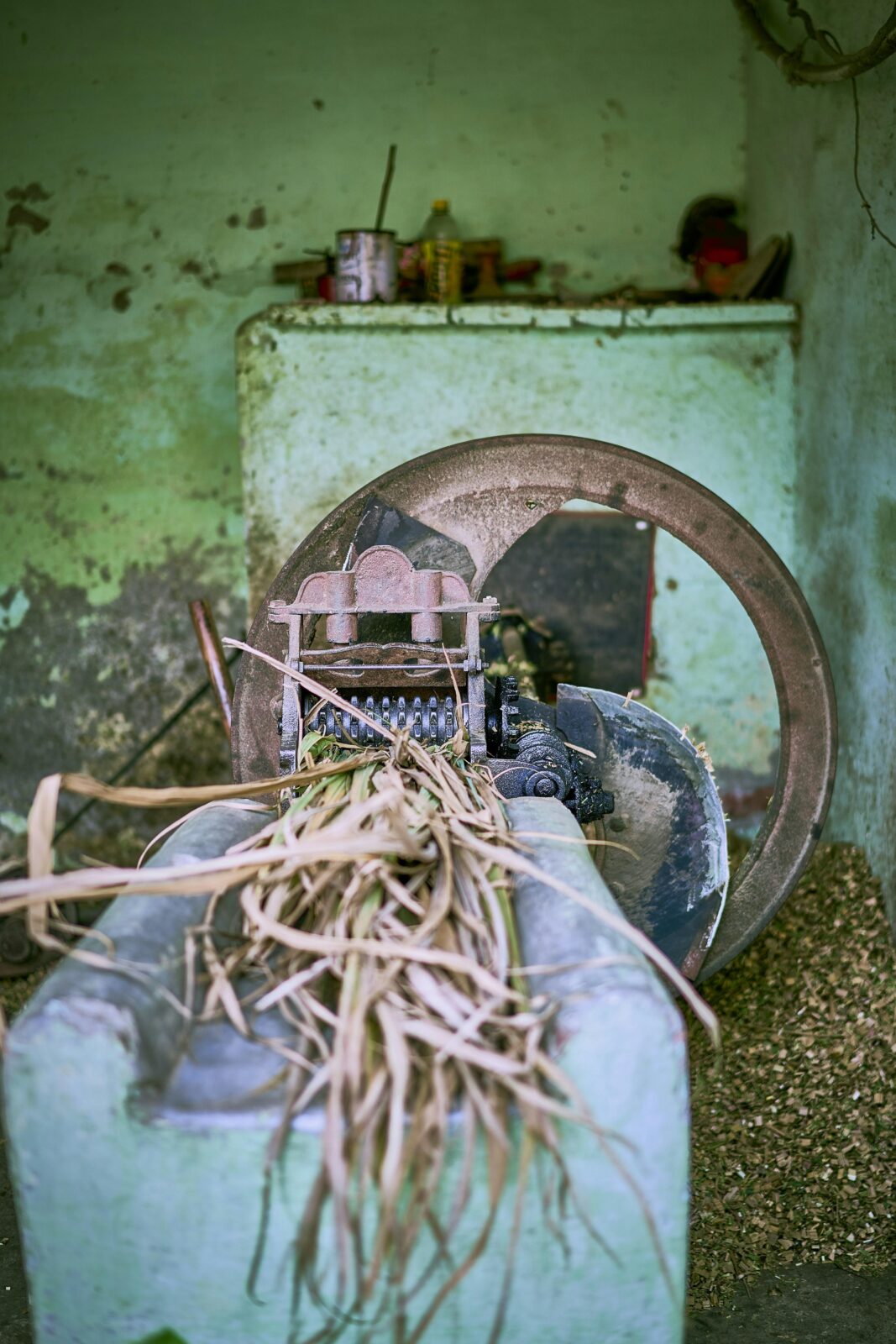
Exploring the Advantages of Mini Rice Mills for Sustainable Small-Scale Farming
Mini rice mills serve as a game-changer for small-scale farmers who are seeking sustainable and efficient methods of rice production. These compact, all-in-one machines make the milling process significantly more accessible while minimizing waste and maximizing yield. By integrating both husk removal and milling functions,mini rice mills allow farmers to process their paddy quickly and efficiently,saving time and labor costs. Some of the notable advantages of using mini rice mills include:
- Cost-Effectiveness: Compared to large industrial mills, mini rice mills require lower initial investment, making them financially viable for smallholder farmers.
- Energy Efficiency: Many modern mini rice mills are designed to consume less energy, promoting sustainability and reducing operational costs.
- Quality Control: Farmers can maintain better control over the milling process, ensuring higher quality rice with reduced breakage rates.
- Local Production: By milling locally, farmers can retain a greater portion of the profit that would or else go to commercial milling services.
however,it’s crucial to consider some challenges associated with mini rice mills,such as the need for regular maintenance and proper training for operators to ensure efficiency. Farmers looking to invest should compare various models based on capacity, ease of operation, and available support services. It may also be beneficial to explore financing options or cooperative models, where groups of farmers can collectively purchase and operate a mini rice mill. for anyone involved in small-scale rice production, adopting a mini rice mill can provide a considerable boost to productivity while contributing to sustainable farming practices.

Debunking Myths: What You Really Need to Know About Combined Mini Rice Mills
Many potential users of combined mini rice mills frequently enough hold misconceptions that can hinder their decision-making process. One common myth is that these mills are only suitable for large-scale operations. In reality, combined mini rice mills are designed specifically with small-scale producers in mind, offering flexibility and efficiency in processing smaller quantities.They integrate multiple functionalities—such as hulling, milling, and polishing—into a single compact machine, which allows for significant reductions in production time and labor costs. This versatility means farmers can produce high-quality rice with minimal overhead,making it economically viable even for local markets. Furthermore, users often fear that these mills may compromise on quality.Though, modern combined mini rice mills leverage advanced technology that can deliver rice with minimal breakage and superior milling quality.
Another prevalent notion is that the initial investment in a combined mini rice mill is prohibitively high. While upfront costs can be a consideration, the long-term benefits of increased efficiency, reduced labor, and improved product quality can far outweigh these initial expenditures. In fact, many mills come with financing options or government subsidies aimed at promoting small-scale agriculture, which can alleviate the financial burden.Additionally, when comparing a combined mini rice mill with traditional milling methods, you’ll notice that the combined option significantly lowers operational costs and reduces waste. For those starting in rice production, it’s advisable to carefully consider a mill’s specifications, such as capacity and energy consumption, to ensure it meets your production needs without overextending your budget. Investing in a combined mini rice mill can thus be a strategic move that paves the way for long-term growth and sustainability in small-scale rice production.
Choosing the Right mini rice mill: Key Factors for optimal Small-Scale Production
When selecting a mini rice mill,it’s essential to evaluate several key factors to ensure optimal production and efficiency. Hear are some critical elements to consider:
- Production Capacity: Determine your required output. Mini rice mills can vary significantly in terms of the amount of rice they process per hour. Assess your scale of production to choose a mill that meets your needs without needless excess.
- Technical Features: Look for mills that come with integrated components like huskers, separators, and polishers. A combined mini rice mill may offer the versatility for multi-functional processes, making it more efficient than separate machines.
- Energy Efficiency: Opt for a model designed to minimize energy consumption. This not only reduces operational costs but also helps in maintaining an environmentally friendly production approach.
- Ease of Operation and Maintenance: The mill should be user-friendly, allowing for fast setup and simple operation. Additionally, consider the ease of maintaining the machine and the availability of spare parts.
Moreover, it is indeed vital to compare different brands and models based on performance reviews and market feedback.You might also consider factors such as:
| Feature | Brand A | Brand B |
|---|---|---|
| Capacity (kg/hour) | 300 | 200 |
| energy Consumption (kW) | 4 | 3.5 |
| Price Range ($) | 500-700 | 400-600 |
This comparison can definitely help you make an informed decision based on your specific requirements and budget. Ultimately, choosing the right mini rice mill is crucial for maximizing productivity and ensuring sustainability in your small-scale rice production operation.
Maximizing Output: How a Combined mini rice mill Transforms Rice Processing Efficiency
In the realm of small-scale rice production, the integration of a combined mini rice mill significantly enhances processing efficiency. By automating various stages of grain handling—such as hulling, milling, and polishing—these advanced systems minimize manual labor and reduce processing time.Key benefits of using a combined mini rice mill include:
- Time Efficiency: Streamlined operations allow for rapid processing, enabling producers to transform harvested paddy into market-ready rice in a fraction of the time.
- Cost Reduction: With lower labor costs and less energy consumption compared to traditional milling methods, small-scale farmers can boost their profit margins.
- Consistent Quality: Automated processes ensure uniformity in grain quality, leading to higher customer satisfaction and better market prices.
However,transitioning to a combined mini rice mill comes with important considerations. Farmers must assess their specific needs, understanding the mill’s capacity, which can range from 200 kg to 1 ton per hour. Regular maintenance is also essential to sustain the mill’s performance. When comparing different models,consider factors like:
| Feature | Model A | Model B |
|---|---|---|
| Processing Capacity | 500 kg/h | 1,000 kg/h |
| Energy Consumption | 5 kW | 8 kW |
| Price | $3,000 | $5,000 |
Ultimately,selecting the right combined mini rice mill can radically transform a producer’s workflow,making it a wise investment for those aiming to optimize productivity and reduce overhead costs in their rice production endeavors.
The Way Forward
the adoption of a combined mini rice mill represents a transformative leap forward for small-scale rice producers. By integrating multiple functions into a compact and efficient machine, these mills not only streamline the production process but also enhance the overall quality of the rice that reaches consumers. The benefits of reduced labor costs, improved yield quality, and the empowerment of local farmers are just the tip of the iceberg when it comes to the potential impact of this technology on rural economies. As we continue to seek innovative solutions to meet the ever-growing demand for food, embracing such advancements can pave the way for a more sustainable and resilient agricultural future. By unlocking efficiency through the combined mini rice mill, we are not just elevating rice production; we are nurturing the livelihoods of communities and contributing to food security on a wider scale. The journey might potentially be just beginning,but the promise it holds is vast and inspiring.