In the heart of agricultural innovation, where tradition meets technology, mini rice mills stand out as a beacon of change for small-scale rice processing. These compact yet powerful machines are not merely a response to the growing demand for enduring food production; they embody a revolution in how rice—an essential staple for billions—is processed. As smallholder farmers and entrepreneurs seek efficient ways to maximize their yields, understanding the intricacies of mini rice mills becomes imperative. this article delves into the myriad benefits and key features of these innovative machines,exploring how they not only streamline rice milling but also empower local communities,boost economies,and contribute to food security. Join us as we unravel the impact of mini rice mills on the agricultural landscape and their role in shaping the future of rice production.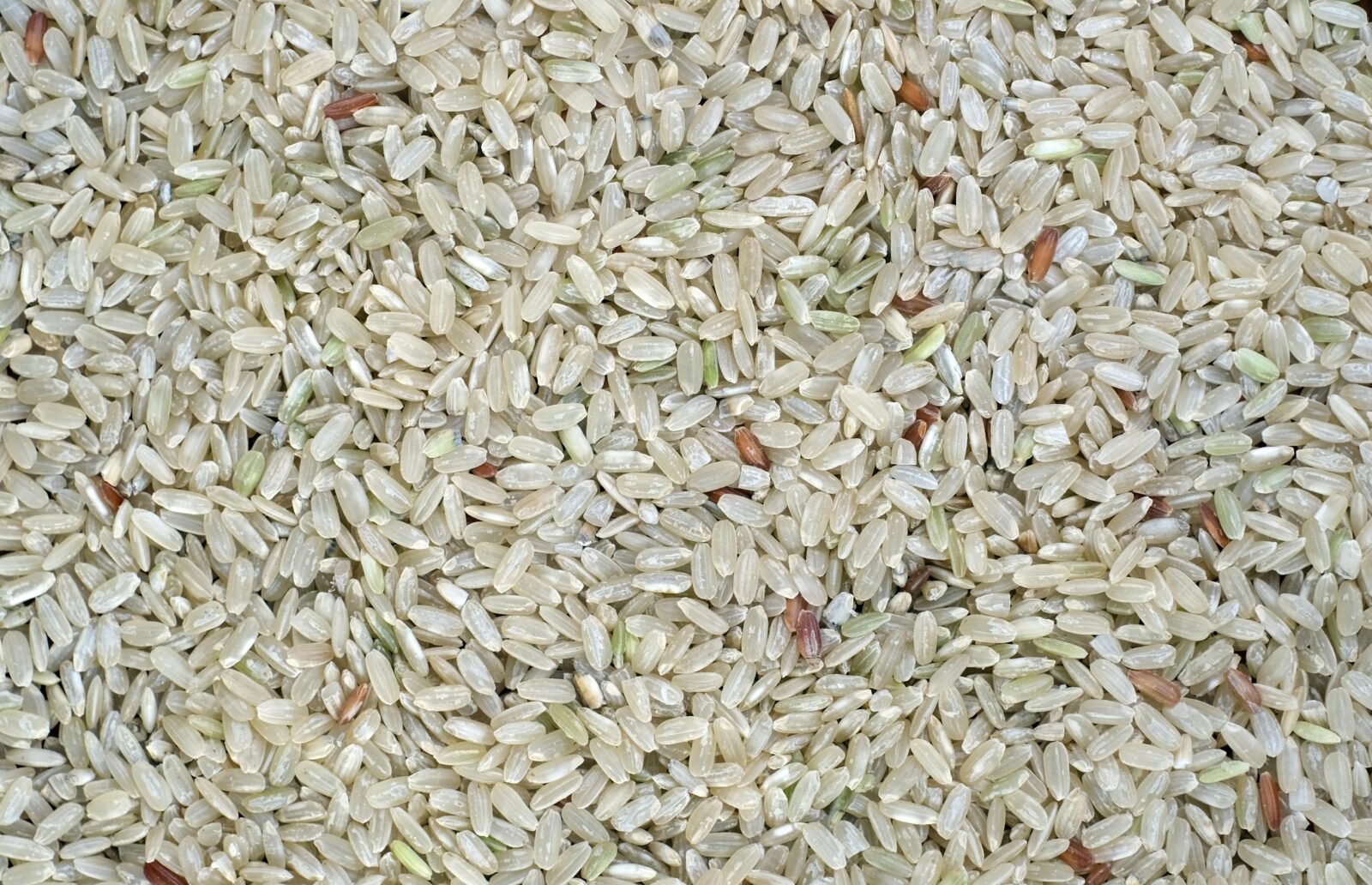
Exploring Mini Rice Mills: A Comprehensive Guide to Their Functionality and Impact
Mini rice mills are compact, cost-effective machines designed to process paddy rice into consumable rice efficiently. Unlike larger industrial mills, mini rice mills are tailored for small-scale farmers and entrepreneurs, making rice processing accessible to those with limited resources. These mills typically include essential components such as a de-husker, rice whitener, and grader, allowing users to carry out the entire milling process in one spot. The benefits of utilizing mini rice mills extend beyond just cost savings; they also help to preserve the quality and nutritional value of rice, as small-scale operations can frequently enough implement more careful milling techniques. Notably, mini rice mills enable local farmers to add value to their produce, leading to increased profitability and food security in the community.
Though, selecting the right mini rice mill involves understanding certain factors that can impact its operation and output quality. When comparing different models, it’s essential to consider aspects such as milling capacity, energy efficiency, and maintenance requirements. Such as, some mills operate optimally on electric power, while others can be powered by diesel engines, making them more versatile for rural areas without reliable electricity.An effective mini rice mill should not only have low operational costs but also a robust design that ensures durability and ease of use. Here are a few recommended features to look for:
- Adjustable milling settings for different grain varieties
- Low noise operation for better working conditions
- Easy clean-up mechanisms to maintain hygiene
- Good availability of spare parts in local markets
- Minimal electricity consumption for cost savings
By investing in a mini rice mill with these features, small-scale rice processors can significantly enhance their productivity and profitability, contributing to the overall growth of agricultural economies.

Transforming Small-Scale Farming: The Advantages of Adopting Mini Rice Milling Technology
Mini rice milling technology represents a transformative approach for small-scale farmers, enabling them to maximize productivity and improve the quality of their rice output. This innovation offers several advantages over traditional milling methods, including:
- Efficiency: Mini rice mills operate faster and require less labor than conventional methods, allowing farmers to process their harvest in a fraction of the time.
- Cost-Effectiveness: The initial investment in mini rice milling equipment is significantly lower than larger milling units, making it accessible for small-scale operations.
- Improved Quality: With advanced technology, mini mills reduce grain damage and yield higher quality rice with better aroma and taste.
- Flexibility: These mills can be operated in various settings—whether at home or in cooperatives—providing farmers the freedom to choose their processing schedule.
Furthermore,adopting mini rice milling technology helps alleviate some common issues faced by small-scale farmers. One major concern is the challenge of post-harvest losses, which can be minimized through efficient milling. In addition, farmers can retain a greater portion of their profits by milling their rice themselves, negating the need to rely on third-party processors. A simple comparison can highlight the transformative impact of these technologies:
| Aspect | Traditional Milling | Mini Rice Milling |
|---|---|---|
| Processing Time | Longer | Shorter |
| Labor Requirement | High | Low |
| Cost to Farmers | Higher | Lower |
These benefits demonstrate how mini rice milling technology is not merely a trend but a vital asset for small-scale farmers striving for sustainability and profitability in today’s competitive agricultural landscape.
Decoding the Myths: Common Misconceptions About Mini Rice Mills and Their Actual Benefits
Many myths surround mini rice mills,frequently enough leading to misconceptions about their functionality and advantages. One such belief is that mini rice mills are only suitable for small-scale operations and cannot compete with larger, industrial-scale mills. In reality, mini rice mills offer versatility and can be quite efficient for both small and medium-sized enterprises. They are designed to handle moderate capacities, usually ranging from 200 kg to 1 ton of paddy per hour. This makes them ideal for rural areas and developing regions where larger mills are impractical due to limited infrastructure or lack of transportation. Besides, the initial investment and operational costs of mini rice mills are significantly lower, making them an attractive option for entrepreneurs looking to enter the rice processing business. Additionally, mini rice mills help preserve the quality and nutritional value of rice, as they minimize mechanized handling, reducing breakage and heat exposure.
Another prevalent myth is that mini rice mills are challenging to operate and maintain, deterring potential users from investing in them. contrary to this belief, these mills are engineered with user-friendliness in mind, often featuring automated systems that streamline the milling process. Maintenance is typically straightforward, requiring routine checks and simple cleaning protocols that can be performed by operators without extensive technical training. furthermore, the compact design of mini rice mills makes them suitable for localized and decentralized processing, which enhances food security in communities by reducing dependence on far-off processing plants. Key benefits include:
- Cost-Effectiveness: Lower operational and investment costs.
- Quality Preservation: Enhanced nutritional retention of rice.
- User-Friendly Operation: accessible for those without specialized training.
- Decentralized Processing: Reduces logistics and improves local economies.
Choosing the Right Mini Rice Mill: Key Features and Factors to Consider for Successful Processing
when selecting a mini rice mill, it’s essential to evaluate several key features to ensure optimal performance and longevity. Firstly, consider the capacity of the mill, typically measured in kilograms per hour.For small-scale operations, a capacity of 150 to 400 kg/h is often ideal. Additionally, examine the type of milling technology employed; options include traditional stone mills or modern steel roller mills. Steel roller mills are generally more efficient and yield higher quality rice with reduced broken grain. Look for features such as adjustability in settings to accommodate different rice varieties, and also durability and ease of maintenance, which can save costs and time down the line.
Cost also plays a meaningful role in choosing the right mini rice mill. Analyze not just the initial purchase price, but also the potential operating costs, including electricity and labor. furthermore, evaluate the availability of spare parts and customer support, which can be crucial for minimizing downtime due to maintenance issues. Users should consider performance metrics, such as husk removal efficiency and breakage rates, comparing different models or brands to ensure they select a mill that meets their specific processing needs. A side-by-side comparison of popular models can provide clarity on which features contribute to better performance and durability:
| Model | Capacity (kg/h) | Type | Price Range ($) | Efficiency Rating |
|---|---|---|---|---|
| Model A | 200 | Steel Roller | 1,000 – 1,500 | 90% |
| Model B | 300 | Steel Roller | 1,500 – 2,000 | 92% |
| Model C | 150 | Stone Mill | 800 - 1,200 | 85% |
Assessing these attributes thoroughly will empower you to find a mini rice mill that not only suits your operations but also enhances productivity and profitability.
Wrapping Up
mini rice mills symbolize a transformative shift in the landscape of small-scale rice processing. By marrying efficiency with accessibility, these innovative machines empower farmers and entrepreneurs alike, enabling them to take control of their rice production.As we’ve explored,the benefits of mini rice mills extend beyond mere convenience; they enhance quality,reduce waste,and create new economic opportunities within local communities. With features designed for simplicity and effectiveness, these mills are not just tools—they represent a movement towards sustainability and self-sufficiency in the agricultural sector.
As we move forward, embracing the full potential of mini rice mills could catalyze a brighter future for smallholder farmers. By understanding their functionality and meaning, we can collectively champion a more resilient and equitable food system. The journey to revolutionizing rice processing might just be beginning, but as the grains of innovation continue to flow, the possibilities are endless. So, whether you’re a rice farmer, an agribusiness entrepreneur, or an enthusiast of sustainable agriculture, consider how these compact powerhouses can reshape your approach to rice processing—and help cultivate a more thriving tomorrow.