
In a world where big is often seen as better, it’s easy to overlook the incredible capabilities of the small but mighty. Enter the mini rice mill plant – a tiny powerhouse that packs a punch when it comes to processing rice efficiently and effectively. In this article, we will delve into the world of these compact machines, exploring their unique features and the benefits they bring to the table. Join us on a journey of discovery as we uncover the hidden potential of the mini rice mill plant.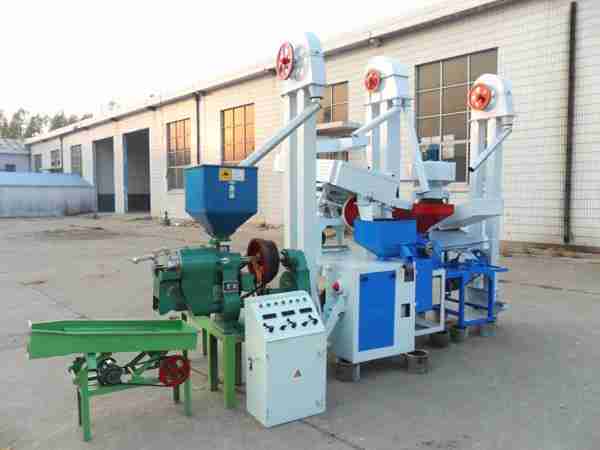
– Unlocking the Potential of mini rice mill Plants for Small-Scale Farmers
Rice is a staple food for over half of the world’s population, with small-scale farmers playing a crucial role in its production. mini rice mill plants have emerged as a game-changer for these farmers, offering increased efficiency and productivity in rice processing. These tiny powerhouses are compact, affordable, and easy to operate, making them ideal for small-scale agricultural operations.
With a mini rice mill plant, small-scale farmers can unlock numerous benefits:
- Increased Yield: The compact design of mini rice mill plants allows for efficient processing of rice, resulting in higher yields.
- Cost-Effectiveness: These plants are affordable to purchase and maintain, making them a sustainable investment for small-scale farmers.
- Time-Saving: mini rice mill plants streamline the rice processing process, saving farmers valuable time and effort.
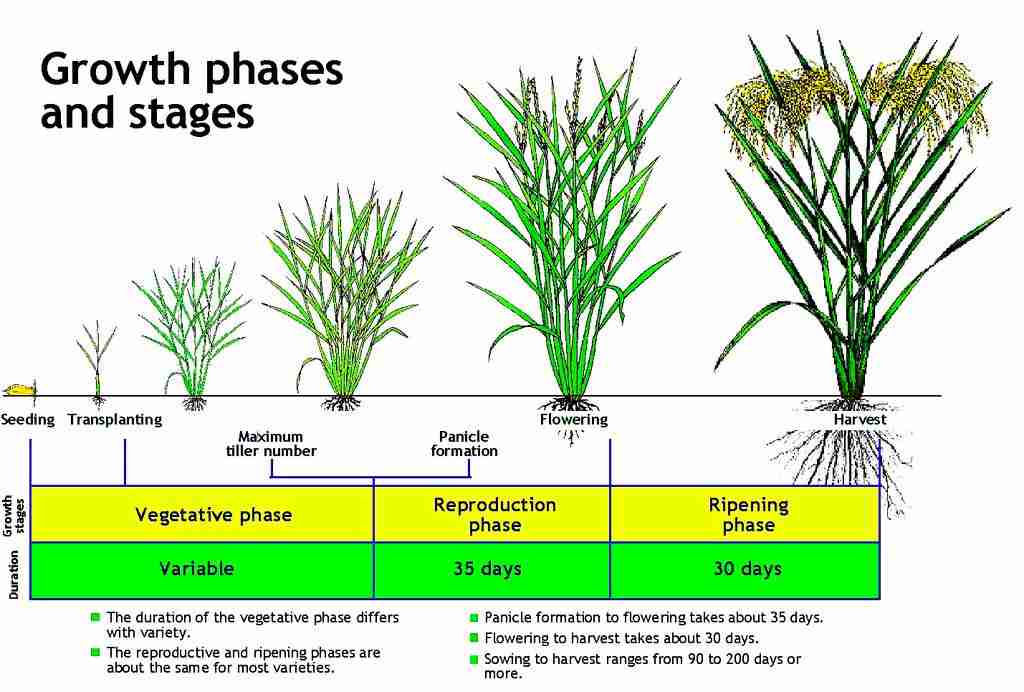
– The Key Components and Working Mechanism of mini rice mill Plants
mini rice mill plants are the unsung heroes of the agricultural industry, providing efficient and compact solutions for processing rice crops. These tiny powerhouses are equipped with key components that work seamlessly to deliver high-quality rice products. The main components of a mini rice mill plant include:
- Paddy Separator: Separates the husk from the paddy to ensure a clean rice output.
- Whitener: Polishes the rice kernels to enhance their appearance and texture.
- Dehusking Machine: Removes the husk from the paddy without damaging the rice grains.
These components work together in harmony to transform raw paddy into refined rice ready for consumption. The working mechanism of a mini rice mill plant involves feeding the paddy into the machine, where it goes through a series of processes to separate the husk, polish the kernels, and remove any impurities. The end result is high-quality rice that meets industry standards and satisfies consumers’ needs.
– Enhancing Efficiency and Output Quality through Proper Maintenance
When it comes to enhancing efficiency and output quality in rice milling operations, the mini rice mill plant proves to be a true powerhouse. This compact yet powerful machine is designed to streamline the rice milling process, resulting in higher productivity and superior output quality. With proper maintenance, this equipment can ensure consistent performance and longevity, making it a valuable asset for rice millers.
One key feature of the mini rice mill plant is its versatility in processing different types of rice varieties, from long-grain to short-grain, with precision and speed. By regularly inspecting and servicing the machine components, such as the huller, whitener, and polisher, millers can prevent breakdowns and optimize performance. Additionally, implementing a maintenance schedule that includes cleaning, lubrication, and part replacement can help prolong the lifespan of the equipment and minimize downtime. Investing in the upkeep of the mini rice mill plant ultimately leads to increased efficiency and improved output quality, benefiting both the miller and the end consumer.
– Sustainable Practices for Operating mini rice mill Plants
The Tiny Powerhouse: Exploring the mini rice mill Plant
When it comes to sustainable practices for operating mini rice mill plants, there are several key strategies that can be implemented to ensure efficiency, productivity, and environmental responsibility. One of the most important aspects of operating a mini rice mill plant sustainably is optimizing energy consumption. By using energy-efficient machinery and implementing energy-saving practices, such as turning off equipment when not in use and using renewable energy sources, mini rice mill plants can significantly reduce their carbon footprint.
Another crucial factor in sustainable operation is waste management. mini rice mill plants can minimize waste by implementing strategies such as recycling and reusing by-products, such as rice husk and bran, as well as properly disposing of any waste materials. By utilizing these sustainable practices, mini rice mill plants can not only reduce their environmental impact but also improve their overall efficiency and profitability.
Closing Remarks
In conclusion, the mini rice mill plant truly embodies the concept of a tiny powerhouse. With its compact size and impressive efficiency, it has revolutionized the rice milling industry by providing farmers with a cost-effective and sustainable solution. Whether you are a small-scale farmer or a rice milling entrepreneur, investing in a mini rice mill plant could be the key to unlocking greater productivity and profitability. So why settle for less when you can harness the power of this innovative machine? Take the leap and explore the endless possibilities that the tiny powerhouse has to offer. Who knows, it may just be the game-changer you’ve been looking for.




