In the ever-evolving landscape of small-scale agriculture and food processing, mini rice milling machines have emerged as a game-changer for farmers and entrepreneurs alike. These compact yet powerful machines offer a convenient solution for rice production, transforming harvested grains into market-ready products wiht efficiency and ease. As small businesses seek to enhance their operations, understanding the key benefits of these machines becomes essential. This article delves into the world of mini rice milling machines, providing insights into their advantages, practical tips for selecting the perfect model, and highlighting some of the top performers in the market. Whether you’re a seasoned agriculturalist or a budding entrepreneur, the right milling machine can be the catalyst for success in your venture.Join us as we explore this vital tool that not only supports local economies but also fosters innovation in the food processing sector.
Understanding Mini Rice Milling machines and Their Impact on Small Businesses
Mini rice milling machines are compact, versatile pieces of equipment designed to process rice quickly and efficiently, making them essential for small businesses in regions where rice production is prevalent. Unlike larger milling operations, these machines offer small-scale entrepreneurs the ability to produce high-quality rice while minimizing costs and maximizing outputs. Ideal for small farms, cooperatives, and local processing units, mini rice milling machines typically boast features like low power consumption, ease of operation, and portability, which are crucial for businesses with limited resources. By streamlining the milling process, these machines help reduce post-harvest losses and boost profitability for small-scale operators.
When considering a mini rice milling machine, several factors should be kept in mind to ensure it meets specific business needs. Key benefits include:
- cost Efficiency: These machines usually require lower initial investments and maintenance costs.
- Quality Control: Small businesses can oversee the milling process to ensure product quality, leading to better customer satisfaction.
- Customizability: Some models allow adjustments in milling parameters to cater to different varieties of rice.
- Portability: designed to be compact, making it easier to transport and use in various locations.
However, prospective buyers should also be aware of potential drawbacks, such as limited processing capacity compared to larger machines and variability in durability depending on the model chosen. Creating a comparison table of features can be beneficial for understanding the various options available:
| Model | Processing Capacity (kg/h) | Power Requirement (kW) | Price Range ($) |
|---|---|---|---|
| Model A | 100 | 1.5 | 800-1200 |
| Model B | 200 | 2.0 | 1200-1800 |
| Model C | 150 | 1.8 | 1000-1500 |
By thoroughly weighing the benefits against the challenges and comparing various models, small business owners can make informed decisions that not only meet their operational needs but also contribute to their long-term success in the rice milling industry.
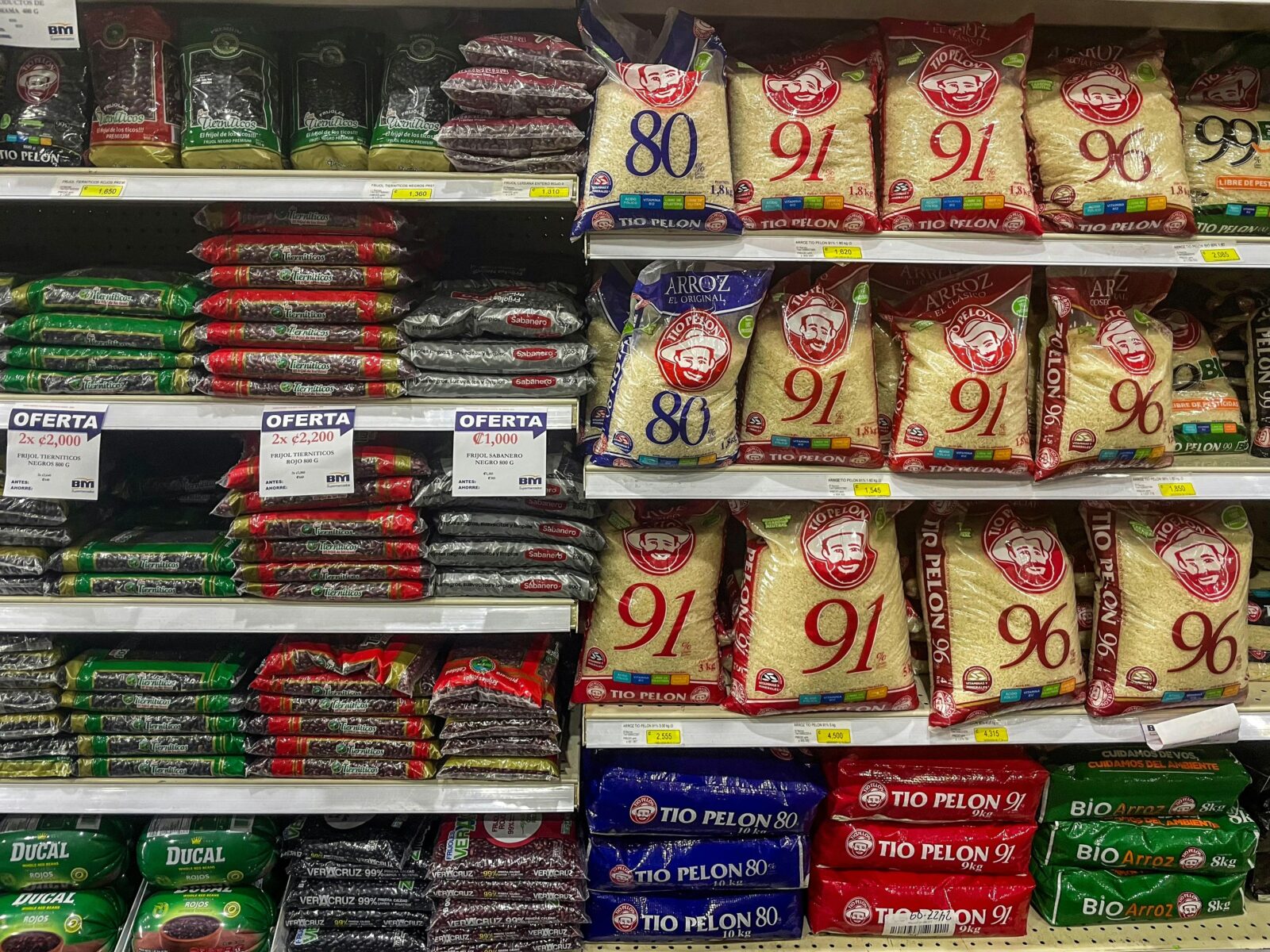
Navigating the Selection Process: Essential tips for Choosing Your Ideal mini rice mill
When selecting the ideal mini rice mill for your small business, it’s essential to evaluate a range of factors that can considerably affect your operations. Start by considering the capacity of the rice mill. How much rice do you plan to process daily? Mini rice mills vary widely in processing capacities, often measured in kilograms per hour. A clear assessment of your production needs will aid in narrowing down your options. Additionally, look into the power requirements and whether the mill can operate on the electrical supply available at your location. Assessing the energy efficiency of the machine can also lead to long-term savings on utility bills.
Next, focus on the features that can enhance usability and productivity. Look for mills equipped with modern technology that allows for easier operation and maintenance. Significant features may include automatic controls, noise reduction capabilities, or self-cleaning functions. Moreover, consider the build quality and warranty terms offered by the manufacturer. A well-constructed machine generally indicates durability,which is crucial for small businesses reliant on consistent output. Comparing models from reputable brands can also provide insights into user experiences, ensuring you choose a mini rice mill that minimizes downtime and maximizes efficiency. Below is a brief comparison of some popular models:
| Model | Capacity (kg/hr) | Power (kW) | Price Range |
|---|---|---|---|
| Model A | 300 | 5 | $1500 – $2000 |
| Model B | 400 | 6 | $2000 – $2500 |
| Model C | 500 | 7 | $2500 – $3000 |
Unpacking the Advantages of Mini Rice Milling: Why Small Enterprises are Making the Switch
Mini rice milling machines have gained significant traction among small enterprises due to their remarkable efficiency and cost-effectiveness. These machines are specifically designed to cater to small-scale rice processing operations,enabling businesses to compete in the market with lower overhead costs and increased revenue potential. Some of the primary benefits of making the switch to mini rice milling include:
- Space Efficiency: Mini rice mills possess a compact design, making them suitable for various locations, including small farms and local processing centers.
- Lower Initial Investment: Compared to larger milling equipment, mini rice mills require a much smaller capital investment, making them accessible for small business owners.
- Energy Saving: These machines are generally more energy-efficient, which can lead to significant savings in operational costs.
- Versatility: Mini rice milling machines allow for small batch processing, giving businesses the flexibility to respond quickly to changing demand without overproducing.
Additionally, transitioning to a mini rice milling setup can substantially enhance product quality. Manny of these machines incorporate advanced milling technology that helps retain essential nutrients and flavor in the rice,resulting in a superior final product. Compared to traditional methods, mini rice mills provide more consistent milling quality and less breakage, which is crucial for maintaining business reputation and customer satisfaction. To aid small business owners in their decision-making,it’s important to consider factors like the machine’s output capacity,the quality of milling,and after-sales service when selecting the right mini rice milling equipment. For example, understanding the maintenance requirements of various models can prevent unexpected downtimes and ensure enduring operations.
Debunking Myths Around mini Rice Mills: What Every Business Owner Should Know
When considering the purchase of a mini rice mill, various misconceptions might cloud a potential buyer’s judgment. one prevalent myth is that mini rice milling machines are only suitable for small-scale operations. In reality, these machines can efficiently process substantial quantities of rice, making them ideal even for small-to-medium-sized businesses looking to scale their operations. Additionally, some believe that mini rice mills compromise on quality compared to larger, industrial models. However,technological advancements have led to the development of compact machines that can offer similar milling standards while preserving the nutritional value and taste of the rice. Understanding these nuances can help business owners make well-informed decisions that align with their operational goals.
Another common misunderstanding revolves around the maintenance and operational complexity of mini rice mills. Many entrepreneurs worry that running these machines requires extensive expertise or constant supervision. In contrast, modern mini rice mills are designed with user-friendliness in mind, incorporating intuitive controls and automated features that simplify operation. Here are a few key points clarifying these myths:
- Efficiency: Mini rice mills can process up to several hundred kilograms of rice daily, depending on the model.
- Quality Assurance: Many modern machines come with features that minimize breakage and enhance milling quality.
- Ease of Use: User-friendly designs make operation straightforward, reducing the need for specialized training.
- low Maintenance: With proper care, many mini rice mills require minimal upkeep, contrary to popular belief.
This understanding can further empower business owners to consider mini rice milling options more confidently,ensuring they leverage their investments effectively while meeting production demands.
Future Outlook
As we wrap up our journey through the realm of mini rice milling machines, it becomes clear that these compact powerhouses are more than just tools; they are catalysts for growth and efficiency in small businesses. By understanding the unique benefits they offer, equipping yourself with the right knowledge to choose the perfect model, and exploring the top contenders in the market, you are empowering your entrepreneurial aspirations.
Whether you’re a seasoned operator or a newcomer to the milling world, investing in the right machine can transform your operations, maximize your output, and ultimately enhance your bottom line. As you step forward, remember that each grain milled represents not just a product, but a shared story of hard work, dedication, and the pursuit of excellence.
So, choose wisely, harness the potential of these machines, and let your small business thrive in the competitive landscape of today’s market.Happy milling!