In teh heart of agricultural innovation, the combine mini rice mill stands out as a beacon of efficiency and adaptability. As farmers and entrepreneurs seek smarter,more sustainable ways to process rice,these compact machines have emerged as essential tools that blend modern technology with conventional practices. This article delves into everything you need to know about combine mini rice mills—from their myriad benefits and distinctive features to expert tips on selecting the right model for your needs. Whether you’re a seasoned rice producer or a newcomer to the industry, understanding these machines can help you optimize your operations and elevate the quality of your output. join us as we explore the intricacies of combine mini rice mills, unlocking the potential they offer in the ever-evolving landscape of rice production.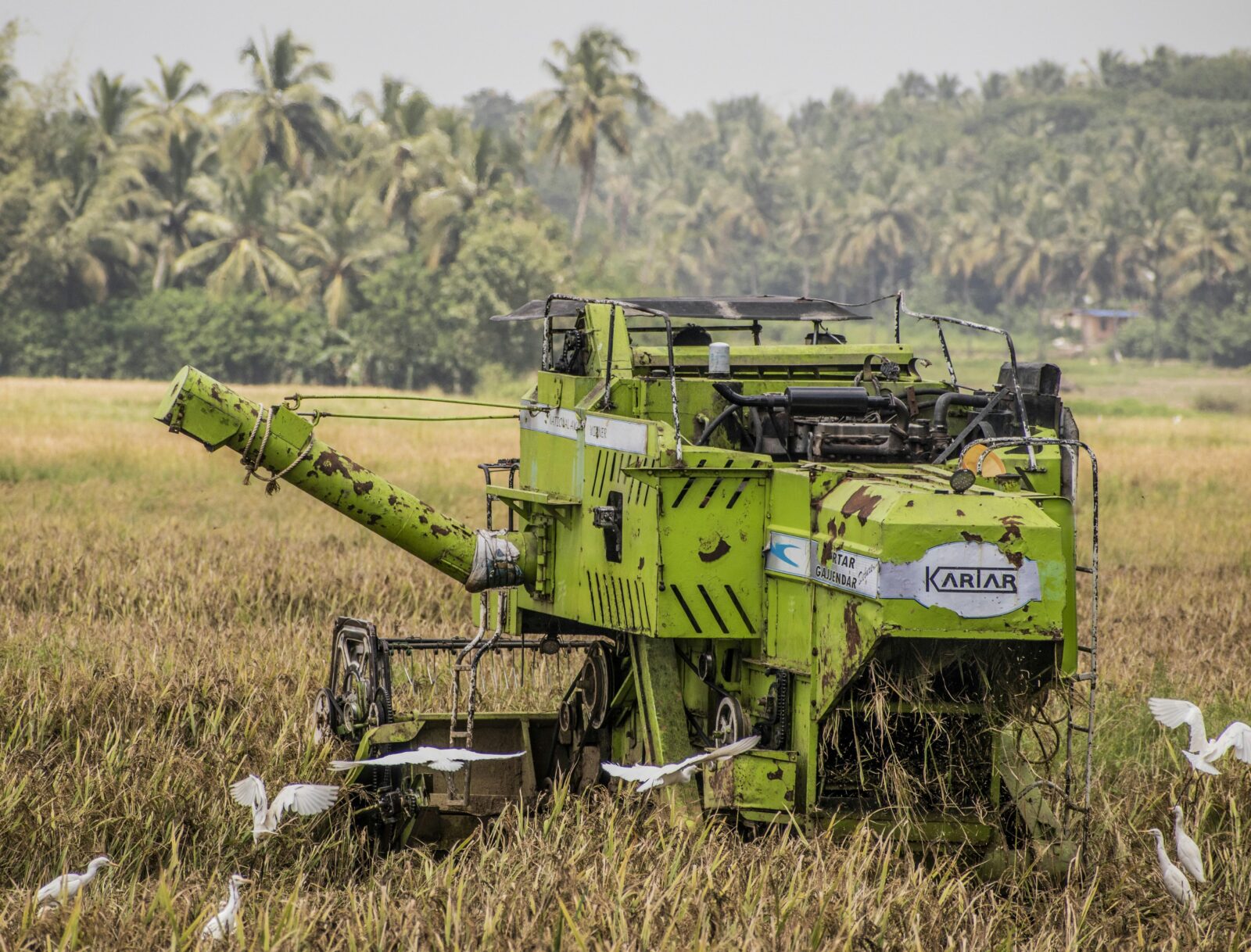
Unveiling the World of combine Mini Rice Mills: A Comprehensive Guide
Combine mini rice mills are specialized machines designed for the efficient milling of paddy rice into high-quality white rice, all while preserving nutrition and flavor. These compact units facilitate the entire process—from husking to polishing—in a single setup, making them ideal for small-scale farmers and entrepreneurs looking to enter the rice milling business. A key advantage of combine mini rice mills lies in their ability to reduce labor costs and energy consumption, thereby maximizing profitability. Here are some notable benefits:
- Efficiency: Their integrated design allows for a swift milling process, substantially reducing the time taken compared to traditional methods.
- Cost-Effectiveness: Lower initial investment and operational costs compared to larger milling machines.
- Space-Saving: Their compact size makes them suitable for small plots and rural settings.
- Ease of Operation: Many models feature user-kind interfaces and require minimal training to operate.
however,potential buyers should also consider various factors before investing in a combine mini rice mill.As a notable example, the milling capacity should align with production needs—typically ranging from 300 kg to 800 kg per hour, depending on the model. It’s also essential to assess the after-sales service and warranty provisions offered by manufacturers, as these can significantly impact long-term operation and maintenance costs. When comparing models, be on the lookout for:
| Feature | Importance |
|---|---|
| Power Consumption | Lower consumption saves money and reduces environmental impact. |
| Material & Build Quality | A durable machine will have a longer lifespan and require less frequent repairs. |
| Polishing and Breaking Ratio | A higher ratio ensures better quality of output, enhancing marketability. |
Understanding the Advantages and Challenges of Using Mini Rice Mills
Mini rice mills offer a myriad of advantages that make them an attractive option for small-scale rice processors and farmers. one of the primary benefits is their compact design,making them suitable for limited space,which is especially beneficial for small farms or family-run operations. Additionally, these mills are energy-efficient, often requiring less power compared to larger, traditional milling systems, reducing operational costs. Another advantage is their user-friendly features,including automated functions,which streamline the milling process and enhance productivity.Owners appreciate the versatility of mini rice mills, as many models can efficiently process various grains, thereby diversifying potential revenue streams.
However, while mini rice mills present several advantages, they also come with specific challenges that potential buyers should consider. One notable limitation is the scale of production; these mills are typically designed for smaller outputs, which may not meet the demands of larger commercial operations. Maintenance and repair can also be tricky, as spare parts may not be as readily available compared to mainstream industrial models. Additionally, the quality of milling can vary; while many mini mills produce high-quality rice, some may struggle with consistency, leading to potential customer dissatisfaction. Here’s a handy comparison table to summarize these points:
| Advantages | Challenges |
|---|---|
| Compact and space-efficient | Limited production capacity |
| Energy-efficient operation | Potential difficulty in finding spare parts |
| User-friendly and automated features | Inconsistent quality in some models |
| Versatile for different grains | May not suffice for large-scale needs |
Choosing the Right Mini Rice Mill: Key Features and Essential Considerations
When selecting the right mini rice mill, it’s crucial to evaluate various key features that directly impact efficiency, quality, and usability. Here are some essential aspects to consider:
- Processing Capacity: Determine the daily output you require based on your operations. Mini rice mills typically range from 100 to 1,000 kg per hour, so choose one that aligns with your production needs.
- power Source: Consider whether you prefer an electric or diesel-powered model. electric rice mills are convenient for areas with stable power supply, while diesel options might be more suitable for rural settings.
- Ease of Use and Maintenance: Look for mills that are user-friendly and require minimal maintenance. Models with removable parts are easier to clean and service, increasing longevity.
- Built-in Features: Advanced mini rice mills come with features like husking, polishing, and sorting options, which enhance the quality of the output. Models with adjustable milling settings can further fine-tune the rice texture.
- Durability and Build Quality: Invest in machines made from high-quality materials to ensure they withstand heavy use over time.
Additionally, assessing customer reviews and comparisons can provide valuable insights. For example, a simple comparison of processing efficiencies and customer support might guide you toward the best choice. Below is a short comparison table highlighting a few popular mini rice mills:
| Model | Processing Capacity (kg/hr) | power Source | Key Feature |
|---|---|---|---|
| Model A | 300 | electric | Built-in Polisher |
| Model B | 500 | Diesel | adjustable Milling |
| Model C | 400 | Electric | Automatic Sorter |
Before finalizing your purchase, ensure you have a clear understanding of your operational goals and how each model aligns with them. This thoughtful approach will help you maximize the benefits of your investment in a mini rice mill.
Debunking Myths about Mini Rice Mills: What Every buyer Should Know
when considering the purchase of a mini rice mill, potential buyers often encounter a range of myths that can cloud their judgment. One common misconception is that mini rice mills are too small for commercial use and can only cater to small-scale farmers.In reality, many modern mini rice mills are quite robust and designed with technology that allows them to handle significant capacities while maintaining efficiency. These machines can easily process several tons of rice daily,making them suitable for both small-scale operations and larger rural milling enterprises. Additionally, unlike traditional mills, mini rice mills often incorporate advanced features for better grain quality and cost-effectiveness.
Another myth is that mini rice mills produce lower-quality rice compared to larger, industrial machines. This is far from the truth! Many mini rice mills are equipped with refined polishing and husking mechanisms that achieve high-quality outputs comparable to larger mills. When selecting a mini rice mill, buyers should not only consider the size and capacity but also look for features such as adjustable milling settings, energy efficiency ratings, and ease of operation.Here’s a swift comparison guide to help differentiate features:
| Feature | Mini Rice Mills | Industrial Rice Mills |
|---|---|---|
| Capacity | 1-10 tons/day | 10+ tons/day |
| Quality Control | Advanced polishing | High-level automated systems |
| Energy Consumption | Lower | higher |
By debunking these myths, buyers can make more informed decisions, ensuring that their investment in a mini rice mill aligns with their production goals and operational needs.
The Way Forward
navigating the world of combine mini rice mills is a journey filled with potential and promise. As we’ve explored, these compact marvels offer a myriad of benefits that cater to both small-scale farmers and aspiring entrepreneurs alike. From enhanced efficiency to the preservation of nutrition and flavor in your rice, the features of modern mini rice mills stand out as pivotal elements in the grain processing landscape.
as you consider your options, remember that selecting the right mini rice mill involves a thoughtful evaluation of your specific needs, desired features, and budget.By arming yourself with the knowledge shared in this article, you’re better prepared to make an informed decision that aligns with your operational goals.
Whether you’re looking to streamline your farming operations or embark on a new business venture, a combine mini rice mill could be the key to unlocking a more fruitful future. Embrace the prospect, and let this small yet powerful machine pave the way for quality, efficiency, and success in rice production. Happy milling!