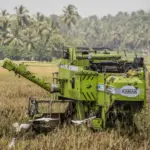
In the ever-evolving landscape of food production, cereal processing stands as a cornerstone of the global agricultural industry, playing an essential role in feeding millions and driving economic vitality. as consumer preferences shift towards healthier, more lasting options, the need for optimized processing techniques has never been more pressing. This article embarks on a thorough exploration of the methodologies employed in cereal processing, delving into key performance metrics that gauge efficiency and product quality. By examining the decision factors that influence processing choices, we aim to illuminate pathways for betterment that not onyl enhance operational efficacy but also elevate the nutritional and sensory profiles of cereal products. Join us as we unravel the intricacies of this vital field, charting a course toward a future where technology and innovation harmoniously blend to meet the demands of both producers and consumers alike.
Innovative Techniques for Maximizing Yield and Quality in Cereal Processing Systems
Innovative techniques in cereal processing are pivotal for enhancing both yield and quality. One of the most significant advancements is the integration of advanced milling technologies, such as the use of roller mills and impact mills.Roller mills, by applying pressure through a series of rotating cylindrical rollers, achieve a finer particle size with less heat generation, preserving the nutritional quality of the cereal grains. On the othre hand, impact mills utilize high-speed rotor blades to crush grains, producing very fine flour but potentially incorporating more heat which could affect volatile nutrient content. The choice between these milling types hinges on the specific grain characteristics and the desired flour properties:
- Particle Size Distribution: Critical for end-use applications like baking or pasta-making.
- Heat generation: Needs to be monitored to minimize nutrient degradation.
- Energy Consumption: Efficiency metrics are essential when choosing machinery to maintain cost-effectiveness.
Another innovative approach involves the utilization of enzymatic treatments to increase yield and improve processing efficiency. Enzymes such as amylases and proteases are deployed to enhance starch gelatinization and protein solubility, respectively, allowing for higher extraction rates during processing stages like cooking or fermentation. As a notable example, the application of α-amylase in wet milling can significantly increase sugar yields from starches, optimizing bioprocessing in cereal beverages. Though, it’s paramount to consider the cost-effectiveness of enzyme usage, and also reaction conditions like temperature and pH, which must be meticulously controlled to avoid denaturing the enzymes. Below is a comparative summary of the considerations for these enzymatic treatments:
| Factor | Effect | Consideration |
|---|---|---|
| Enzyme Type | Target specific starch/protein | Select based on desired outcome |
| temperature | Affects enzyme activity | Maintain optimum range for efficacy |
| cost | Impact on overall processing expenses | Balance yield improvement vs. enzyme investment |

Evaluating the Impact of Material Selection on the Efficiency and Consistency of Cereal Production
Material selection plays a pivotal role in the efficiency and consistency of cereal production, impacting not only the quality of the final product but also the overall processing workflow. Key criteria for material evaluation include durability, moisture resistance, cost-effectiveness, and food safety compliance. For instance, the choice between steel and ceramic milling equipment can significantly influence the granulation process. steel,while durable and cost-efficient,may lead to contamination through wear,necessitating rigorous cleaning protocols. in contrast, ceramics may minimize this risk, but their initial cost can be prohibitive. Furthermore,materials that facilitate efficient heat transfer,like aluminum for drying systems,can optimize energy consumption,enhancing the overall efficiency of cereal processing.
Performance factors associated with material selection also include thermal conductivity, wear resistance, and chemical reactivity.A comparative approach frequently enough considers the trade-offs between high-performance alloys and composite materials. Such as,while high-performance alloys typically offer superior durability and resistance to thermal stress,composite materials might potentially be more lightweight and less expensive,albeit potentially sacrificing longevity. The following table summarizes the pros and cons for better understanding:
| Material Type | Advantages | Limitations |
|---|---|---|
| High-performance alloys |
|
|
| Composite materials |
|
|
Understanding these dynamics equips producers to make informed decisions that align material properties with processing requirements while mitigating risks associated with contamination and inefficiency.This comprehensive evaluation of materials ensures that cereal production remains not only efficient but also maintains high-quality standards throughout the manufacturing process.

Comparative Analysis of Processing Technologies: Enhancing Performance Metrics in Cereal Manufacturing
The primary processing technologies utilized in cereal manufacturing—extrusion, flaking, and puffing—each possess unique mechanisms that affect performance metrics such as throughput, energy efficiency, and product quality. Extrusion, for example, employs high-temperature, high-pressure conditions allowing for gelatinization and the expansion of starches. This method yields high-quality cereals with distinct textures and shapes but requires significant energy input and precise moisture control. On the other hand, flaking involves cooking grains and then mechanically pressing them into flakes, providing a crunchy texture with relatively lower energy expenditure.Though the flaking process enhances the flavor retention of whole grains, it often leads to a loss in nutritional value due to exposure to heat. Puffing, achieved through rapid heating methods like steam or hot air, produces light, airy cereals without the need for added fat; however, the uniformity and texture can be inconsistent and less controllable due to the rapid expansion process.
When assessing these technologies, several performance factors must be considered, including yield, maintainance requirements, and product consistency. For example, a comparative analysis showcasing typical performance metrics might illustrate the following:
| Technology | Energy efficiency | Texture Uniformity | Nutritional Retention |
|---|---|---|---|
| Extrusion | Moderate | High | Moderate |
| Flaking | high | moderate | Low |
| Puffing | high | Variable | Low |
Each method presents its own set of limitations: extrusion’s reliance on precise moisture and temperature can lead to variances in end-product quality, flaking consistently demands high-quality raw grains to minimize defects, and puffing is often limited by the types of grains that can withstand rapid calorie input. Additionally, decision-makers in cereal manufacturing must consider economic factors such as initial capital investment and long-term operational costs, and also the market demands for texture, taste, and nutritional profiles.Balancing these considerations is crucial for optimizing cereal processing and achieving the desired product specifications.

Engineering Choices and Their Consequences on Quality Attributes in Cereal Processing Operations
In cereal processing, engineering choices significantly influence quality attributes such as nutritional value, texture, shelf life, and safety. The selection of processing equipment, such as extruders, grinders, and dryers, plays a critical role in achieving these parameters. As an example,extrusion is often employed to enhance digestibility and texture by employing high temperature and pressure,thus modifying starch properties. However, the operational conditions (e.g., moisture content, temperature profiles) directly impact the degree of gelatinization and protein denaturation. Similarly, the choice between air drying and freeze drying can manifest substantial differences in nutrient retention.
Criteria for Equipment Selection:
- Efficiency: Energy consumption per unit product.
- Quality Retention: Nutrient losses during thermal processing.
- Scalability: Capacity to handle varying batch sizes.
- Maintenance: Downtime due to breakdowns and cleaning.
Moreover, specifications of the raw material must align with the selected processing methods to ensure optimized outcomes. Such as, grain moisture content (typically 12-14%) can affect milling processes; too high can lead to clumping and excessive wear on grinding equipment, while too low can produce dust—a potential health hazard. A comparative analysis of horizontal versus vertical milling systems reveals that although horizontal mills tend to have higher throughput, thay may require more frequent maintenance than vertical mills, impacting long-term operational costs. Performance factors such as these must be balanced against quality repercussions like uniformity of particle size, which is crucial for downstream processing.
Final Thoughts
the landscape of cereal processing is continuously evolving, presenting both challenges and opportunities for industry stakeholders. By meticulously analyzing various processing methods, performance metrics, and key decision factors, we can unlock new pathways to enhance efficiency and quality in cereal production. The insights garnered from this exploration not only underline the importance of innovation and adaptation but also empower manufacturers to make informed choices that resonate with consumer demands and environmental considerations.As we navigate the intricacies of this dynamic field, it becomes clear that the journey towards optimizing cereal processing is not merely a technical endeavor, but a collaborative effort that bridges science, sustainability, and satisfaction. With the right strategies in place, the future of cereal processing promises to be both fruitful and fulfilling, paving the way for a healthier and more sustainable world.