In kitchens around the globe, the humble grain of rice is experiencing a renaissance, transcending its role as a simple staple to become a canvas for culinary artistry. At the heart of this transformation lies a remarkable innovation: the mini rice polisher. Once a tool reserved for large-scale production, these compact machines are now revolutionizing home cooking, enabling enthusiasts and chefs alike to elevate their dishes with a heartier texture and vibrancy in flavor. This article explores the journey of rice, from its unrefined state to the gleaming grains that dance in the light, highlighting how these accessible polishers are redefining culinary rituals, one kitchen at a time. Join us as we delve into the intricacies of this grain’s journey and unravel the impact that such a small machine can have on our cooking traditions and gastronomic experiences.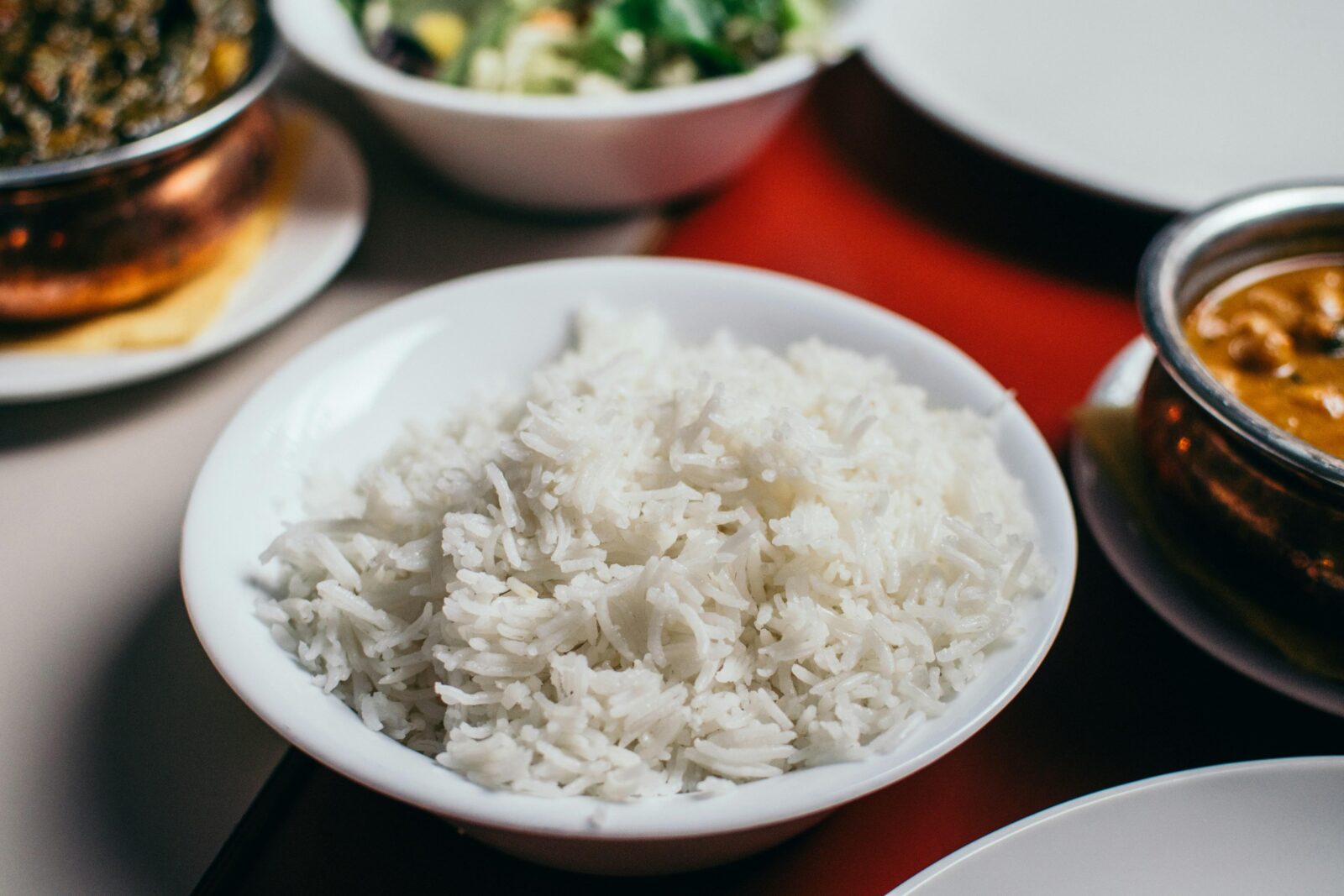
Unearthing Tradition: The Journey of Rice from Field to family Table
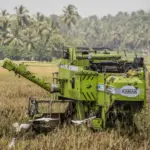
As the sun rises gently over lush green fields, farmers begin their journey, a cycle of tradition that dates back thousands of years. The process starts with careful seed selection, where farmers choose varieties that are not only resilient but also flavorful.for instance, Sarah, a third-generation rice farmer in California, recalls learning from her grandfather the specific traits of Calrose rice that make it a staple in many households. after a careful cultivation process that involves planting, nurturing, and harvesting, each grain of rice is steeped in the stories of those who nurtured it, ready to find a place at the family table. In homes across different cultures, the expectation is not just to prepare a meal but to honor the labor and tradition behind each grain.
once harvested, the rice undergoes several stages before it finally reaches the family bowl.Traditionally, this was a time-consuming process; however, with the advent of mini rice polishers, the dynamics have shifted substantially. When Munira, a busy mother of three, received her mini rice polisher as a gift, she was initially skeptical about its impact.She thought, “How could a small appliance change the way we enjoy rice?” Yet, after her first use, she noticed how the machine effortlessly polished the grains, enhancing their shine while preserving the essential nutrients. The difference in taste was evident, transcending her expectations. In her kitchen, cooking became not just a task, but a cherished ritual, emphasizing the importance of quality and connection. This shift in experience echoes across households—transforming not just meals, but how families engage with their culinary heritage.
- Traditional Method: Time-consuming, labor-intensive
- Mini Rice Polisher: Efficient, enhances flavor, easy to use

The Small Revolution: Transforming cooking Practices with Mini Polishers
Maria, a busy mother of three, had always cherished family meals, using them as a time to bond and share stories after a long day. However,as her kids grew older and their extracurricular commitments expanded,the time she could spend preparing meals dwindled. Enter the mini rice polisher. Initially skeptical, she recalled her grandmother’s tales of preparing rice painstakingly with mortar and pestle. Maria decided to take the plunge and purchased a compact polisher. The first time she used it,she was surprised. The polished rice not only looked vibrant but also had a surprising texture that elevated her usual stir-fry recipe.What stood out even more was how it rekindled family discussions about food. As each member of the family sampled the rice, a wave of nostalgia washed over them, igniting conversations about their own experiences with rice dishes from their heritage.
In another household, Tom, a dedicated home chef, had always been reliant on premium, pre-packaged rice, believing that quality came only from sourcing the best brands. When a friend introduced him to the concept of mini rice polishers,he hesitated. Could a small kitchen gadget really replicate that premium quality? Still, he decided to see for himself. After a few trials, not only did Tom realize that he could customize the polish level to suit his taste, but he was also struck by the different flavor profiles that emerged from various rice types when polished to different degrees. His culinary creations took on a new depth, and he noted: “I never expected a small machine could so dramatically change how I perceived quality in food.” He began experimenting with grains he’d ordinarily overlooked, turning simple rice dishes into gourmet experiences. As Tom submerged himself in this newfound adventure, he also found himself more engaged with the cooking process, leading to exploring further with other grains, thus expanding his culinary repertoire.
Navigating Change: Overcoming Culinary Challenges in Modern kitchens
in modern kitchens, culinary challenges frequently enough arise not just from the complexity of recipes, but from the evolving expectations tied to health, sustainability, and quality. Take, such as, Maria, a chef who recently transitioned her small café to focus on local, organic ingredients. Initially, she struggled with the excessive dust and impurities frequently enough found on rice sourced from smaller farms. Her aspirations for high-quality dishes made it crucial to ensure that each grain gleamed without contaminants. after integrating a mini rice polisher, a seemingly minor change, her cooking rhythm transformed. rather of spending hours meticulously rinsing and soaking the rice, she could polish it in minutes and maintain the integrity of each grain’s flavor and texture. Each meal not only improved in taste but also aligned with her goal of serving wholesome food, showing how small tools can lead to substantial culinary enhancements.
However, Maria’s experience was not without its challenges. Initially, her staff had mixed feelings about the new equipment. Some found it an unneeded gadget,clinging to traditional methods,while others were excited about its potential. In a team meeting,Maria encouraged an open dialogue,allowing her staff to express their concerns while also highlighting the polished rice’s consistent results. This moment of vulnerability turned into a lesson in collaboration and adaptation.Over time, as the team witnessed the improved dishes and noticed faster service, the nearly uniform acceptance of the mini rice polisher transformed expectations around what technology could achieve in a culinary setting. By re-imagining her kitchen’s workflow and embracing innovation, Maria not only addressed practical challenges but also fostered a culture of adaptability and teamwork, crucial for navigating the ever-evolving culinary landscape.
From Nostalgia to Innovation: Rediscovering Heritage Through Modern Tools
In kitchens across the globe, the sounds of tradition resonate deeply, with rice being a staple that often marks the heart of family meals. Mary, a second-generation Indian-American, recalls her childhood, where polishing rice was a ritual infused with a sense of connection to her roots. Using a manual wooden pestle, she would watch her mother’s hands skillfully coax out the grains’ natural luster, yet both longed for a method that offered precision without losing that deep-rooted essence of tradition. With the advent of mini rice polishers, Mary discovered a way to honor those cherished moments while embracing innovation. The little appliance now stands beside her mother’s wooden tools, blending their shared past with the convenience of modern technology. in effect, the mini rice polisher has transformed her nightly cooking routine, allowing for a quicker but still deliberate approach to preparing rice for family dinners.
this change isn’t just about speed; it reflects a broader resurgence of heritage through innovation. Consider the story of Jamal, a young chef who opened a new Asian fusion restaurant in his hometown. At first, Jamal hesitated to introduce a mini rice polisher into his culinary arsenal, fearing it would replace the authenticity of traditional methods. However, after witnessing the remarkable outcome of polished rice—from the stunning texture to the improved taste—he changed his mind. Jamal began to use the polisher not only for efficiency but as a way to engage his customers with the narratives of both heritage and ingenuity. He even hosts pop-up events where guests can experience the traditional technique alongside the modern method, sparking conversations that bridge generational gaps. Through these small shifts, both Mary and Jamal illustrate how rediscovering and celebrating cultural heritage can seamlessly intertwine with modern tools, fostering a richer culinary experience for all.
in Retrospect
In a world where culinary traditions intertwine with modern innovation, the rise of mini rice polishers stands as a testament to the adage that even the smallest tools can yield the most notable transformations.These compact machines are not just redefining the way we prepare rice but are revitalizing an ancient ritual, bridging the gap between heritage and contemporary cuisine. As kitchens evolve into spaces of creativity and experimentation, mini rice polishers invite home cooks and culinary artisans alike to embrace the subtleties of flavor and texture with a renewed fervor.As we immerse ourselves in the rich tapestry of culinary practices, it’s clear that the journey from grain to gleam is more than mere convenience—it’s a celebration of culture, craftsmanship, and the art of cooking. Whether you’re a seasoned chef or a curious novice, these polishers offer a way to honor tradition while exploring new dimensions of taste. So, the next time you reach for a bag of rice, remember that yoru choice of preparation can bring forth a symphony of flavors waiting to be discovered. with mini rice polishers leading the charge, the culinary world is poised for a new era of connection, creativity, and culinary delight, one kitchen at a time.