
In a world where efficiency meets innovation, the agricultural sector is undergoing a transformative revolution that promises to reshape the way we process one of humanity’s staple foods: rice. Enter the mini rice mill plant—a compact powerhouse that not only streamlines production but also enhances the quality of a beloved grain. As populations continue to rise and the demand for rice escalates, these miniature milling solutions are emerging as essential tools for farmers, entrepreneurs, and communities. In this article, we will delve into the myriad benefits and efficiencies offered by mini rice mill plants, exploring how they can empower small-scale producers, reduce waste, and contribute to sustainable practices in a rapidly evolving global market. Join us on this journey as we uncover the hidden potential of these innovative milling solutions and their role in securing a more food-secure future.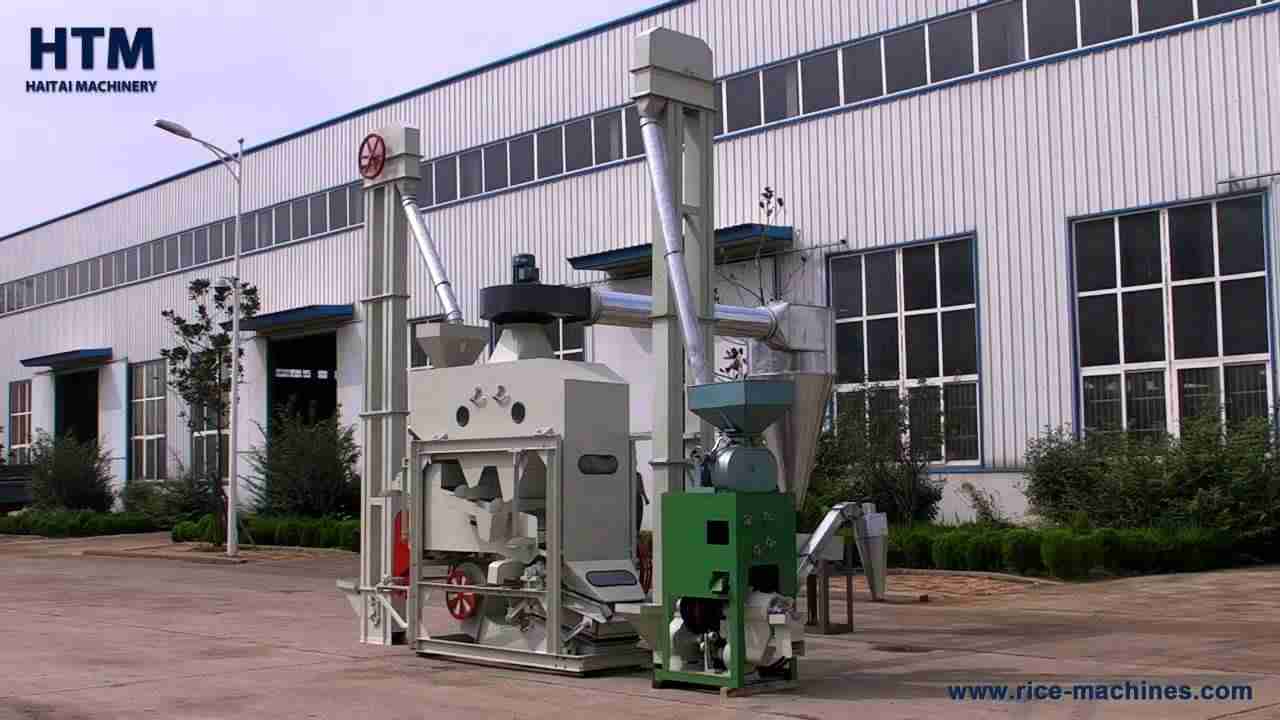
Exploring the Core Advantages of mini rice mill Plants
mini rice mill plants are revolutionizing the rice milling industry by offering a plethora of advantages that cater to both small-scale farmers and entrepreneurs. One of the primary benefits is their compact design, which allows for easy installation in limited spaces. This is particularly beneficial for rural areas where land is scarce and costly. These plants are engineered for high efficiency, reducing energy consumption while maximizing output, making them an attractive investment for those looking to start or expand their processing capabilities.
Moreover, the cost-effectiveness of mini rice mill plants cannot be overstated. They require a smaller initial investment compared to traditional mills, thus lowering the financial barrier for entry. Their ability to produce varying rice grades with minimal waste ensures that users can tap into diverse markets. Additionally, the user-friendly technology incorporated in these mills simplifies operations and maintenance. The following table encapsulates some key features and advantages:
| Features | Advantages |
|---|---|
| Compact Size | Ideal for limited space; easy to transport. |
| Energy Efficiency | Lower operational costs; environmentally friendly. |
| Low Initial Investment | Accessible for small businesses and farmers. |
| Versatility | Ability to produce various rice products. |

Streamlining Production: How Mini Rice Mills Enhance Efficiency
Mini rice mills represent a remarkable advancement in agricultural production, catering specifically to small-scale farmers and local entrepreneurs. By integrating streamlined processes, these mills reduce labor costs and enhance productivity significantly. The compact design enables efficient space utilization, allowing farmers to set up milling operations right on their farms, thus minimizing transportation expenses and time. Moreover, the simplified operation and user-friendly technology make it easier for operators to run the mill with minimal training.
Among the multitude of benefits, mini rice mills offer several key advantages that contribute to their growing popularity:
- Reduced Processing Time: With efficient milling processes, these machines drastically cut down the time from paddy to polished rice.
- Energy Efficiency: Their design often incorporates energy-saving features to decrease operational costs.
- Quality Control: Farmers can monitor the milling process closely, ensuring higher quality grains and less waste.
- Economic Accessibility: Lower initial investment costs make these mills accessible to a wider audience.
In addition to enhancing operational efficiency, mini rice mills promote local economies through job creation and increasing the income potential of smallholders. Below is a quick reference table showcasing key specifications of popular mini rice mill models:
| Model | Output Capacity (kg/h) | Power Required (HP) | Dimensions (m) |
|---|---|---|---|
| Model A | 200 | 5 | 2 x 1.5 |
| Model B | 300 | 7.5 | 2.5 x 1.8 |
| Model C | 400 | 10 | 3 x 2 |

Economic Insights: Cost-Effectiveness and Profitability of Mini Rice Milling
Mini rice milling plants present a lucrative opportunity for entrepreneurs due to their cost-effectiveness and potential for high profit margins. Unlike traditional, larger mills that require substantial investments in land, machinery, and manpower, mini rice mills demand a comparatively lower capital investment. The operational costs are significantly reduced as well, with efficient energy usage and smaller workforce requirements. Their compact design allows them to be set up in rural areas, providing local communities with easy access to rice milling services while minimizing transportation costs associated with raw rice collection.
As the market for rice continues to expand, driven by increasing demand for quality rice products, mini rice milling plants can quickly adapt and scale their operations. The flexibility afforded by these smaller mills enables owners to cater to niche markets, tapping into organic or premium rice demands that larger mills may overlook. Moreover, the return on investment (ROI) can be substantial, particularly when mills are strategically located to serve a concentrated customer base. The following table illustrates the key advantages of mini rice milling plants over traditional rice milling facilities:
| Attributes | mini rice mill | Traditional Rice Mill |
|---|---|---|
| Initial Investment | Low | High |
| Operational Costs | Low | High |
| Labor Requirements | Minimal | Extensive |
| Location Flexibility | High | Low |
| Market Adaptability | High | Limited |
Sustainability and Quality: The Role of Mini Rice Mills in Modern Agriculture
As the demand for sustainable practices in agriculture grows, mini rice mills emerge as essential components in promoting environmentally friendly farming. These compact milling solutions not only optimize the rice transformation process but also ensure minimal waste, significantly reducing the carbon footprint associated with larger, conventional mills. With localized production capabilities, farmers can benefit from fresh and organic grains while preserving vital nutrients and flavor. Additionally, mini rice mills help in maintaining quality by offering precise milling adjustments, leading to a higher yield of polished rice without compromising nutritional content.
The versatility of mini rice mills also extends to their role in supporting smallholder farmers, enabling them to access modern technology without massive investments. By integrating advanced features into a smaller footprint, these mills utilize less energy and water compared to traditional setups, making them both economically and ecologically sound. Key advantages include:
- Compact Design: Easily installed in small spaces, ideal for rural settings.
- Cost-effective: Lower operational and maintenance costs compared to larger mills.
- Job Creation: Contributes to local economies by providing employment opportunities.
Furthermore, mini rice mills can adapt to different rice varieties, offering custom solutions tailored to the specific needs of communities. The following table summarizes the key benefits:
| Benefit | Description |
|---|---|
| Sustainability | Reduces waste, energy consumption, and carbon emissions. |
| Quality Control | Ensures higher quality rice with better taste and nutritional value. |
| Local Empowerment | Empowers farmers with ownership over production and processing. |
Closing Remarks
the advent of mini rice mill plants signifies a transformative step in the agricultural landscape. By blending efficiency with technology, these compact systems not only enhance productivity but also empower local farmers and entrepreneurs. The benefits extend beyond mere economic gains; they foster self-sufficiency and promote sustainable agricultural practices. As we embrace these innovations, we pave the way for a more resilient and prosperous future in rice production. So, whether you’re a seasoned farmer looking to modernize your operations or an aspiring entrepreneur eager to venture into the agri-business realm, the promise of mini rice mill plants could be the key to unlocking new possibilities. Join the movement towards smarter farming, and witness the positive impact it can have on communities, economies, and the environment.



