
In an age where efficiency is the cornerstone of agricultural innovation, the humble rice mill is undergoing a remarkable transformation. Enter the mini rice mill—a compact powerhouse poised to revolutionize rice processing for smallholder farmers and micro-entrepreneurs alike. With its easy portability, cost-effectiveness, and multifaceted capabilities, the mini rice mill is not just a tool; it’s a catalyst for change that promises to enhance productivity and reduce post-harvest losses. As we delve into the myriad benefits and applications of this versatile solution, we will uncover how it empowers individuals and communities, ultimately unlocking the potential for sustainable growth in the rice cultivation sector. Join us as we explore the future of rice milling and the role of these innovative machines in driving efficiency and prosperity.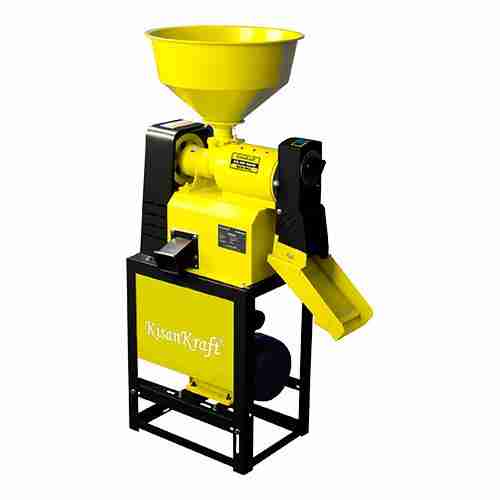
Unlocking the Power of Mini Rice Mills for Small Scale Farmers
For small-scale farmers, the advent of mini rice mills represents a transformative opportunity to streamline their operations and enhance productivity. These compact machines are designed to be user-friendly yet incredibly efficient, allowing farmers to process their harvested rice with minimal effort. The benefits of mini rice mills include:
- Reduced labor costs, as fewer workers are needed for milling
- Improved quality of milled rice, resulting in higher market value
- Lower energy consumption compared to traditional milling systems
- Flexibility to mill rice on-demand, ensuring fresher products
In an era where time and resources are limited, these mills empower farmers to take control of their produce from field to market.
The versatility of mini rice mills extends beyond mere processing. Farmers can enjoy the advantage of customized milling options, tailored to the specific needs of their crops. This customization not only affects the yield but also enhances consumer satisfaction. Consider the following table, illustrating how different milling processes can cater to varying market demands:
| Milling Process | Benefits | Market Application |
|---|---|---|
| White Rice Milling | Highest demand product with longer shelf life | Retail markets |
| Brown Rice Milling | Health-conscious option, rich in nutrients | Health food stores |
| Parboiling | Increases shelf life and nutritional value | Export markets |
By harnessing the capabilities of mini rice mills, small-scale farmers not only unlock greater efficiency but also create opportunities for diversification in their product offerings. This innovation paves the way for sustainable farming practices, promoting economic growth within their communities.

Enhancing Productivity: Key Features of the mini rice mill
In the quest for higher efficiency in agricultural processing, the mini rice mill stands out due to its innovative features designed to streamline operations. Among its most notable attributes is compact design, allowing for easy installation in small spaces while maintaining a high capacity for processing rice. In addition, it boasts an energy-efficient motor, ensuring that operations do not become a burden on energy resources. The ability to easily adjust settings for different varieties of rice further enhances its usability, catering to diverse agricultural needs. This adaptability is complemented by low maintenance requirements, making it an ideal choice for farmers and small businesses alike.
Moreover, the mini rice mill integrates advanced infrastructure that ensures minimal loss during the milling process. The usage of high-quality components guarantees durability and long-lasting performance, thus reducing downtime. A notable advantage is the user-friendly interface, which allows operators to swiftly learn the machine’s functionalities without extensive training. For a better understanding of the key specs, the table below summarizes the mini rice mill’s essential features:
| Feature | Description |
|---|---|
| Capacity | Processes up to 250 kg of rice per hour |
| Power Consumption | Only 2.2 kW per hour |
| Weight | Approximately 150 kg |
| Dimensions | 1.2 x 0.8 x 1.0 meters |

Cost-Effectiveness and Sustainability in Rice Processing
In an age where economic viability and environmental responsibility go hand in hand, the adoption of mini rice mills stands out as a cost-effective solution for farmers and small enterprises alike. These machines are designed to maximize output while minimizing resource consumption. By significantly reducing the energy required for processing, they help in lowering operational costs. Key benefits include:
- Lower Equipment Costs: Mini rice mills are generally more affordable than their larger counterparts, making them accessible for smallholder farmers.
- Reduced Labor Expenses: Automation features lead to efficient processing, decreasing the need for extensive labor.
- Efficient Resource Utilization: With advanced technology, these mills optimize the use of water and energy, aligning with sustainable farming practices.
Additionally, sustainability is at the core of these innovative processing solutions. By promoting local processing, mini rice mills minimize transportation emissions, further supporting environmental efforts. The smaller scale of production not only leads to lesser wastage but also encourages the use of by-products such as bran and husk as feed or biofuel options. This circular approach to rice processing can be visually summarized in the table below:
| Aspect | Standard Processing | mini rice mill |
|---|---|---|
| Energy Consumption | High | Low |
| Cost Efficiency | Lower | Higher |
| Waste Generation | High | Minimal |
| Local Impact | Poor | Strong |
This synergy of cost and environmentally-friendly practices makes mini rice mills not just a smart investment for rice producers, but also a step toward a more sustainable future in agriculture.
Adopting Mini Rice Mills: A Step-by-Step Guide for Entrepreneurs
Embarking on the journey of incorporating a mini rice mill into your entrepreneurial venture involves careful planning and execution. Start by conducting thorough market research to understand the demand for rice processing in your area, identifying potential competitors and opportunities. Once you have a clear grasp of the market landscape, it is crucial to define your business model. Consider the following factors:
- Target Market: Determine whether your focus is on local farmers, wholesalers, or retail consumers.
- Products Offered: Decide if you want to sell just milled rice or diversify with value-added products like rice flour or bran.
- Pricing Strategy: Analyze competitor pricing and set yours competitively while ensuring profitability.
Next, you’ll need to consider the technical aspects of acquiring the mini rice mill. Research different manufacturers and compare their products based on efficiency, capacity, and user-friendliness. Engaging with existing customers for first-hand reviews can also provide valuable insights. When selecting a mill, look into the following criteria:
| Feature | Importance |
|---|---|
| Production Capacity | Meets business requirements efficiently |
| Energy Consumption | Cost-effective and sustainable operations |
| Maintenance | Lower downtime and operational costs |
Once the technical aspects are settled, focus on setting up a well-organized space for your mill, ensuring compliance with local regulations. Implementing effective marketing and distribution strategies will also play a pivotal role in your success. Consider utilizing these tactics:
- Online Presence: Build a website to showcase your products and allow for easy ordering.
- Community Engagement: Attend local fairs and markets to promote your offerings directly.
- Partnerships: Collaborate with local farmers to create a reliable supply chain.
Key Takeaways
As we draw the curtain on our exploration of the mini rice mill, it becomes evident that this compact powerhouse is more than just a tool – it’s a transformative solution for modern agriculture and small-scale production. By marrying efficiency with versatility, the mini rice mill stands out as a beacon of innovation, enabling rice producers to streamline their operations and enhance productivity without sacrificing quality.
Whether you’re a seasoned farmer looking to optimize your output, or an entrepreneur venturing into the rice milling business, this sleek machine offers an accessible pathway to success. Its adaptability ensures it can meet diverse needs, making it a valuable addition to any agricultural toolbox.
In a world where every ounce of efficiency counts, the mini rice mill exemplifies how embracing technology can lead to sustainable growth and improved livelihoods. As you consider your own agricultural journey, remember that sometimes, the smallest solutions hold the greatest potential. Embrace the future of rice milling—where efficiency meets versatility, paving the way for a more prosperous tomorrow.



