
In a world where efficiency and sustainability take center stage, the agricultural sector is undergoing a transformative shift, particularly in rice production. For centuries, rice has been a staple food for billions, serving not only as a source of nourishment but also as a cultural cornerstone in many societies. However, the traditional methods of processing rice have often been labor-intensive and time-consuming, leading to challenges in meeting the growing demand. Enter the mini rice mill plants – a revolutionary solution that is reshaping the landscape of rice milling. These compact, efficient units are not just improving processing times; they are redefining how small-scale farmers and entrepreneurs approach rice production. This article delves into the rise of mini rice mill plants, exploring their design innovations, economic benefits, and the pivotal role they play in unlocking a new era of efficiency in the rice industry. Join us as we unpack the journey of this ingenious technology and its potential to elevate agricultural practices for the betterment of communities worldwide.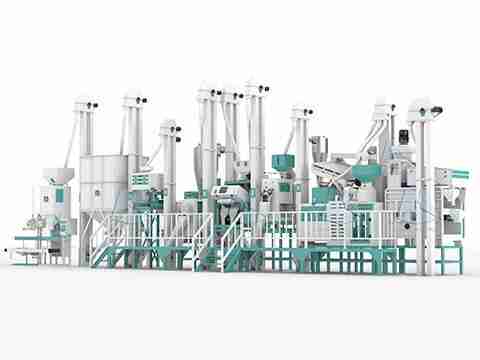
Exploring the Benefits of mini rice mill Plants for Small-Scale Farmers
The advent of mini rice mill plants marks a transformative step for small-scale farmers, enabling them to enhance productivity while retaining greater control over their rice production. Equipped with state-of-the-art technology, these compact units significantly reduce processing time. As a result, farmers can quickly transform their harvested paddy into market-ready rice, focusing their efforts on other crucial farming tasks. Moreover, the initial investment in a mini rice mill is often manageable, making it an accessible option for farmers looking to modernize their operations. In addition to boosting efficiency, these plants also facilitate the following:
- Cost-Effectiveness: Lower operational costs compared to large-scale milling plants.
- Quality Control: Farmers gain control over the milling process, ensuring better quality of the final product.
- Local Employment: By establishing mini mills, communities can create jobs and foster economic development.
Furthermore, mini rice mill plants contribute to sustainability by reducing post-harvest losses. By milling rice immediately after harvest, these plants help in preserving the quality of the grains, which might otherwise degrade over time due to improper storage conditions. Additionally, many modern mini rice mills are designed with energy efficiency in mind. Their compact nature not only curtails energy consumption but also minimizes the carbon footprint associated with rice milling. To illustrate the impact, here is a simple comparison of traditional vs. mini rice milling efficiency:
| Milling Method | Processing Time (hrs) | Post-Harvest Losses (%) |
|---|---|---|
| Traditional Mill | 4-6 | 10-15 |
| mini rice mill | 1-2 | 2-5 |
the implementation of mini rice mill plants presents an unparalleled opportunity for small-scale farmers to enhance their agricultural practices. By embracing this technology, farmers not only streamline their processes but also actively participate in the broader mission of sustainable farming and community development.

Technological Innovations Driving the mini rice mill Revolution
The mini rice mill revolution is being propelled by several key technological advancements that are transforming the way rice is processed. With compact designs and enhanced functionality, these mills are not just cost-effective but are also redefining efficiency in rice production. Automation has made significant strides, allowing for precision milling and reducing the manual labor traditionally needed in the process. Today’s mini rice mills come equipped with smart sensors that monitor grain quality and processing conditions, ensuring a consistent end product with minimal waste.
Moreover, sustainability is at the forefront of these innovations. The integration of solar energy systems in mini rice mills is not only reducing operating costs but is also contributing to a greener approach in agriculture. Technological enhancements such as digital interfaces and mobile connectivity enable farmers to track production metrics in real-time, providing them with valuable data to make informed decisions. The combination of these features makes mini rice mills more accessible to smallholder farmers, promoting local economies while promoting environmentally friendly practices.
| Technological Innovations | Benefits |
|---|---|
| Automation | Increased efficiency and reduced labor costs |
| Smart Sensors | Quality control and waste reduction |
| Solar Energy Integration | Lower energy costs and eco-friendly operations |
| Digital Interfaces | Real-time data tracking for informed decision-making |

Sustainability and Economic Impact of Local Rice Production Systems
As the demand for locally-sourced products increases, mini rice mill plants have emerged as a pivotal solution for enhancing both sustainability and economic stability within local rice production systems. These small-scale facilities provide several environmental benefits, including reduction of carbon emissions by minimizing transportation needs. By processing rice closer to the source, farmers can cut down on logistics costs and lessen the carbon footprint associated with large-scale milling operations. Additionally, the utilization of renewable energy sources, such as solar panels, in these mini mills promotes a sustainable energy cycle, fostering environmental stewardship among rice farmers.
From an economic perspective, mini rice mill plants serve as catalysts for local development. By empowering farmers to process their own rice, these mills not only enhance the value of their products but also create job opportunities within the community, thereby strengthening the local economy. The direct benefits include:
- Higher profit margins for farmers through value-adding processing.
- Job creation in local communities, from mill operations to distribution.
- Reduction in rice prices due to decreased transportation costs.
Moreover, the adoption of these mini mills can lead to a more resilient agricultural framework by facilitating access to technology and innovation in rice farming practices. The result is a symbiotic relationship not only between the producers and consumers but also among various stakeholders invested in the sustainability of local rice ecosystems.
Essential Considerations for Establishing a mini rice mill Plant
Establishing a successful mini rice mill plant involves understanding the key elements that contribute to efficiency and productivity. First and foremost, selecting the right location is crucial. It’s essential to consider factors such as proximity to raw materials, transportation facilities, labor availability, and access to markets. Additionally, understanding the local regulations and obtaining all necessary licenses and permits will smoothen the establishment process. A well-chosen site not only reduces operational costs but also enhances supply chain efficiency.
Moreover, the choice of machinery is another vital factor. Investing in high-quality, efficient equipment can significantly improve the milling process and product quality. Some considerations include:
- Capacity: Choose machinery that aligns with your production goals.
- Technology: Opt for modern, energy-efficient machines that require minimal maintenance.
- Durability: Select robust equipment designed to endure the rigors of continuous operation.
Additionally, consider the workforce needed for operations. Hiring skilled labor and investing in training will maximize productivity and minimize errors.
| Factor | Importance |
|---|---|
| Location | Reduces costs and ensures access to raw materials |
| Machinery | Enhances efficiency and product quality |
| Workforce | Skilled operators improve output and reduce waste |
Final Thoughts
As we conclude our exploration of mini rice mill plants, it becomes evident that these compact powerhouses are not just a trend, but a transformative force in the agricultural landscape. By blending innovation with accessibility, they empower small-scale farmers and entrepreneurs to elevate their operations, reduce costs, and foster sustainability. The rise of these efficient mills signifies a pivotal shift in how rice is processed, unlocking new pathways for productivity and growth.
As the agricultural sector continues to adapt to a rapidly changing world, mini rice mill plants stand at the forefront of this evolution—bridging tradition and modernity. They invite us to rethink possibilities, championing a future where efficiency is within everyone’s reach. Whether you’re a seasoned farmer, a budding entrepreneur, or a curious observer, the journey of mini rice mill plants is a compelling narrative of resilience and opportunity.
In embracing this new era, we not only enhance food security but also invigorate local economies and communities. The seeds of innovation have been sown, and as we watch them flourish, it is clear that the future of rice milling is bright, compact, and full of potential. Let us continue to support and celebrate these advancements, ensuring that efficiency and sustainability flourish hand in hand in the fields of tomorrow.



