In the heart of agriculture, where tradition meets innovation, a silent revolution is taking place—one that is reshaping the way rice, a staple food for billions around the globe, is processed. automatic rice mills, featuring cutting-edge technology and streamlined operations, are emerging as the linchpin of modern rice production. As the demands of an ever-growing population escalate, these automated systems offer a promise of efficiency, sustainability, and improved quality. This article delves into the world of automatic rice mills, exploring the intricate technologies that drive them, the myriad benefits thay present to farmers and consumers alike, and their profound impact on the landscape of contemporary agriculture. Join us as we unravel the complexities of this essential industry, highlighting how a simple grain is at the forefront of agricultural advancement.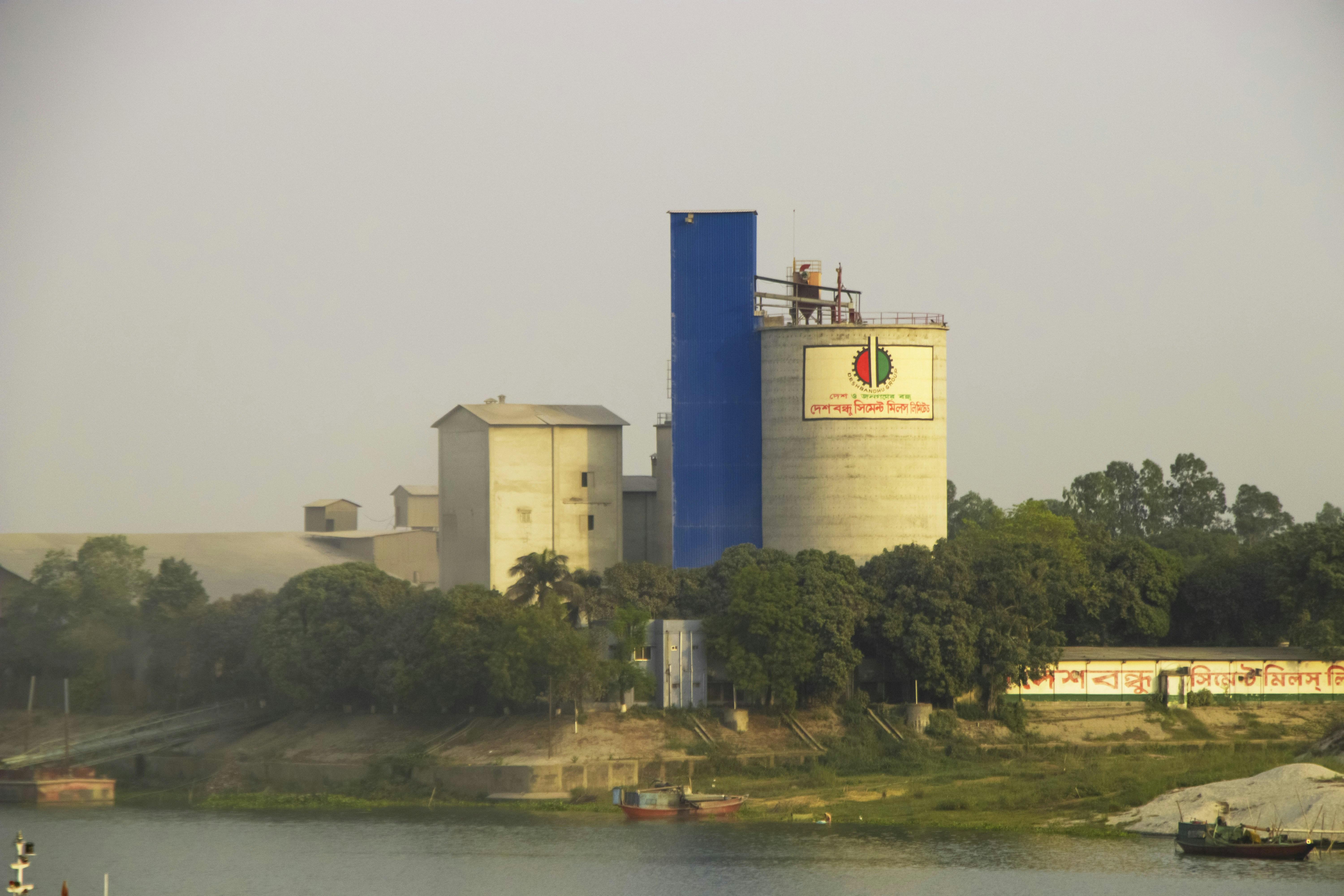
Exploring the Mechanics of Automatic Rice Mills and Their Technological Innovations
When considering the adoption of automatic rice mills, it’s crucial to delve into their mechanical operations and the technological innovations that enhance efficiency. Start by assessing specific features that align with yoru agricultural needs. Look for mills that integrate smart technology, such as IoT-based monitoring systems that allow you to track processing performance and troubleshoot issues remotely.Pay attention to milling efficiency rates; mills with multi-pass systems often yield better results by ensuring husk removal is thorough, leading to higher quality rice. Always inspect the mechanical design—models that offer easy access for maintenance and cleaning can save time and reduce downtime in operation.
As you explore different options, it’s vital to recognise common pitfalls. Many operators underestimate the importance of a consistent power supply, which can lead to operational inefficiencies and equipment failures. Always check for compatibility with local power settings to prevent such issues. Additionally, consider the milling capacity relative to your production goals; investing in a mill that’s too large for your output can be inefficient. A handy checklist to evaluate potential mills includes:
- Energy efficiency ratings
- Ease of access for service and maintenance
- Quality of output grain
- Customer reviews and service support
Evaluate these factors thoughtfully to make informed choices that enhance your operational effectiveness. When assessing costs,explore local suppliers for potentially better deals and support. Also, consider bundling equipment purchases with software solutions that facilitate inventory and production tracking, as those integrated systems keep your operations streamlined and less prone to errors.
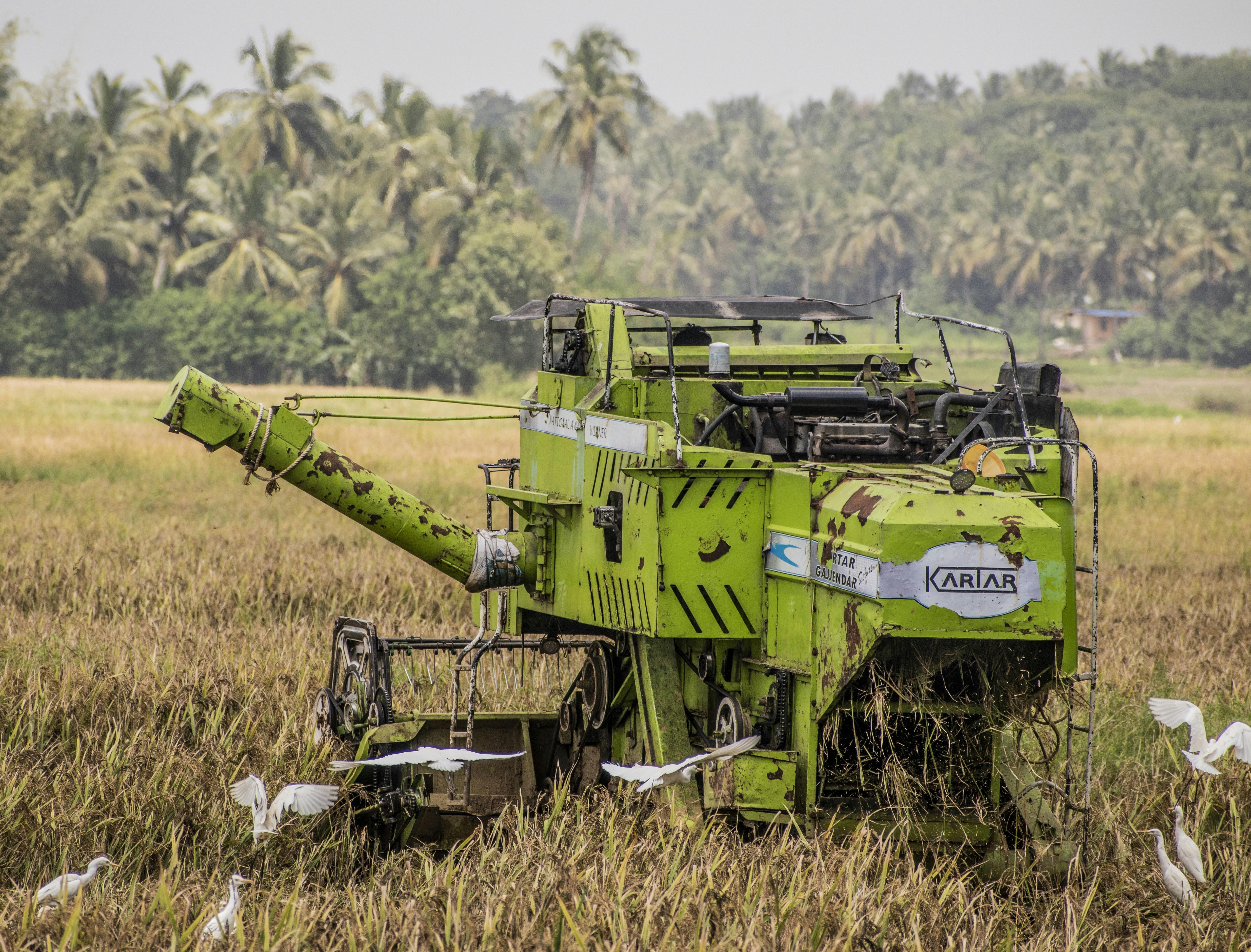
Unveiling the Economic Benefits: How Automatic Rice Mills Transform Local Agriculture
Investing in automatic rice mills can yield substantial economic benefits for local farmers and agricultural businesses. Here are several practical steps to consider and factors to check before making a decision:
- Cost-Benefit Analysis: Calculate the initial investment for an automatic rice mill against the expected increase in production volume and quality. For instance, a mill costing $100,000 may yield 30% more polished rice per batch compared to manual processes, potentially increasing profits considerably.
- Local Market Research: Assess the demand for milled rice in your area. Speak with local retailers and consumers to gauge interest. implementing a milled rice production can take advantage of rising market trends, especially if you can ensure quality and sustainability.
- Quality Assurance: Invest in technology that not only mills efficiently but also maintains or improves grain quality. Mills with built-in sensors to monitor grain moisture and purity can prevent issues related to spoilage that often plague traditional methods.
A common pitfall is underestimating ongoing operational costs, such as electricity and maintenance. Ensure that the mill you choose has efficient energy consumption and establish a regular maintenance schedule to avoid costly downtimes. Consider this comparison:
| Mill Type | Initial Cost | efficiency Rate (% of Rice Yield) | Operating Cost (per ton) |
|---|---|---|---|
| Manual Mill | $20,000 | 60% | $50 |
| Automatic Mill | $100,000 | 90% | $30 |
Choosing the right technology involves more than just the machine itself; partner with suppliers who offer technical support and training for your team. This increases immediate ROI and ensures that your workforce can exploit the best features of the new equipment.
Sustainability in Action: The Environmental Impact of modern Rice Milling Practices
To effectively integrate sustainability into modern rice milling practices, it’s crucial for mill operators and stakeholders to assess the environmental impact of their operations regularly.Consider adopting rice milling technologies that minimize waste and energy consumption. For instance, investing in energy-efficient machinery can significantly reduce carbon footprints. When upgrading your machinery, check for ISO certifications regarding energy efficiency, and prioritize mills that utilize renewable energy sources, such as solar or biogas. Additionally, implement a system for collecting and repurposing rice husks and bran, which can be transformed into biomass energy or used as a lasting animal feed. By taking these steps, mills can drastically lower their environmental impact while maintaining profitability.
Moreover, adopting best practices in water management is essential to mitigate the environmental consequences of rice milling. Common pitfalls include overuse or contamination of local water resources from milling processes.To combat this, consider the following strategies:
- Implement water recycling systems that treat and reuse wastewater generated during milling.
- Regularly monitor water quality to prevent chemical runoff from entering local water supplies.
- Participate in community efforts to maintain local water bodies as a sustainable source for both milling and farming operations.
These measures not only help in conserving water but also enhance the overall health of the ecosystem, contributing to a sustainable agricultural surroundings.By being proactive and mindful of these practices, rice millers can make smarter, eco-friendly choices that resonate across the agricultural supply chain.
Future-Forward Agriculture: Recommendations for Integrating Automatic Rice Mills Efficiently
to successfully integrate automatic rice mills into your agricultural practices, start by assessing your current infrastructure and workflow.Key considerations include:
- Capacity and Scale: Consider both the volume of paddy rice you intend to process and the scale at which you operate. For instance,small to medium farms may benefit from compact mills that require less space and investment,while larger operations should invest in high-capacity mills that offer robust processing capabilities.
- energy Sources: Evaluate your energy supply. Automatic rice mills can vary in their energy consumption patterns; thus, utilizing renewable energy options, such as solar power, can reduce operating costs and ensure sustainability.
- Maintenance and Support: Verify the availability of local support and maintenance services for the machinery you select. Investing in a well-supported brand can prevent downtime and costly repairs.
Moreover, be mindful of the common pitfalls during the integration process. check for these frequently overlooked factors:
- Training Needs: Proper training for your staff is crucial. Poorly trained operators can lead to inefficiency and subpar output. Schedule regular training sessions and consider workshops provided by equipment manufacturers.
- Quality Control: Integrate quality checks at multiple stages of processing. Implementing a simple grading system based on grain size and color helps maintain the quality of the final product.
- Feedback Loop: Establish channels for operator feedback. Frontline workers often have insights on operational challenges; their input can guide ongoing improvements and foster a culture of continuous learning.
To Conclude
the evolution of automatic rice mills symbolizes a profound shift in modern agriculture, marrying technology with tradition to create a more efficient and sustainable farming future. By understanding the intricacies of these systems, from their innovative mechanization to their role in enhancing production quality, we can appreciate their significance in the agricultural landscape. The benefits extend beyond mere productivity; they empower farmers,uplift communities,and contribute to food security on a global scale. As we embrace this technological advancement, it is indeed crucial to continue exploring its potential and addressing the challenges that may arise, ensuring that the benefits of automatic rice milling are accessible to all. The journey of rice milling, from field to table, is not just about grains transformed but about fostering resilience and growth in our agricultural practices, paving the way for a new era that honors both heritage and innovation.