In the heart of rural landscapes, where the golden grains sway gently under the sun, a quiet revolution is brewing—one that promises to reshape the future of small-scale rice production. Mini rice mills are emerging as powerful allies for farmers, transforming conventional practices into innovative processes that enhance efficiency and sustainability. As the demand for high-quality rice continues to rise, these compact machines are stepping into the spotlight, offering a host of benefits that cater to the unique needs of smallholder farmers. This article delves into the multifaceted world of mini rice mills, exploring their defining features, the advantages they bring to local economies, and the ways in which they are empowering rice producers to thrive in a competitive market. Join us on this journey to understand how these tools are not just milling grains, but forging new pathways for agricultural advancement.
Demystifying Mini Rice Mills and Their Role in Modern Agriculture
Mini rice mills are compact, efficient machines specifically designed to process paddy rice into edible rice, catering primarily to small-scale farmers and rural entrepreneurs. These mills typically feature mechanisms for husking,milling,and polishing,providing a complete solution for rice processing. The rise of mini rice mills has transformed the economics of rice production,allowing farmers to retain more value from their crops and reduce dependence on external milling services. Key benefits include:
- Cost Efficiency: Mini rice mills are generally less expensive than large-scale commercial mills,making them accessible for smallholder farmers.
- Reduced Turnaround Time: The localized processing allows for quicker milling, ensuring fresher rice for local markets.
- Quality Control: Farmers can oversee the milling process, maintaining high quality and freshness of the rice they produce.
- Job Creation: Mini rice mills can boost local economies by creating jobs in rural areas and providing opportunities for entrepreneurship.
However, it’s essential to consider potential challenges associated with mini rice mills. For instance, they may have limitations in processing capacity, which might not meet the demands of larger agricultural operations. Additionally, the initial investment can still be a barrier for some farmers. Compared to larger mills, mini rice mills may also lack advanced technology features that enhance efficiency or product quality.Thus, when choosing a mini rice mill, consider factors like:
| Feature | mini rice mill | Large Scale Mill |
|---|---|---|
| Initial Cost | Lower | Higher |
| Processing Capacity | Lower | Higher |
| Quality Control | Direct Oversight | Dependent on Staff |
| Job Creation | Higher Potential | Lower |
Farmers interested in investing in a mini rice mill should perform thorough research on the models available, considering local needs and market conditions. It’s advisable to seek recommendations from existing users to identify the best options that fit their specific agricultural practices.
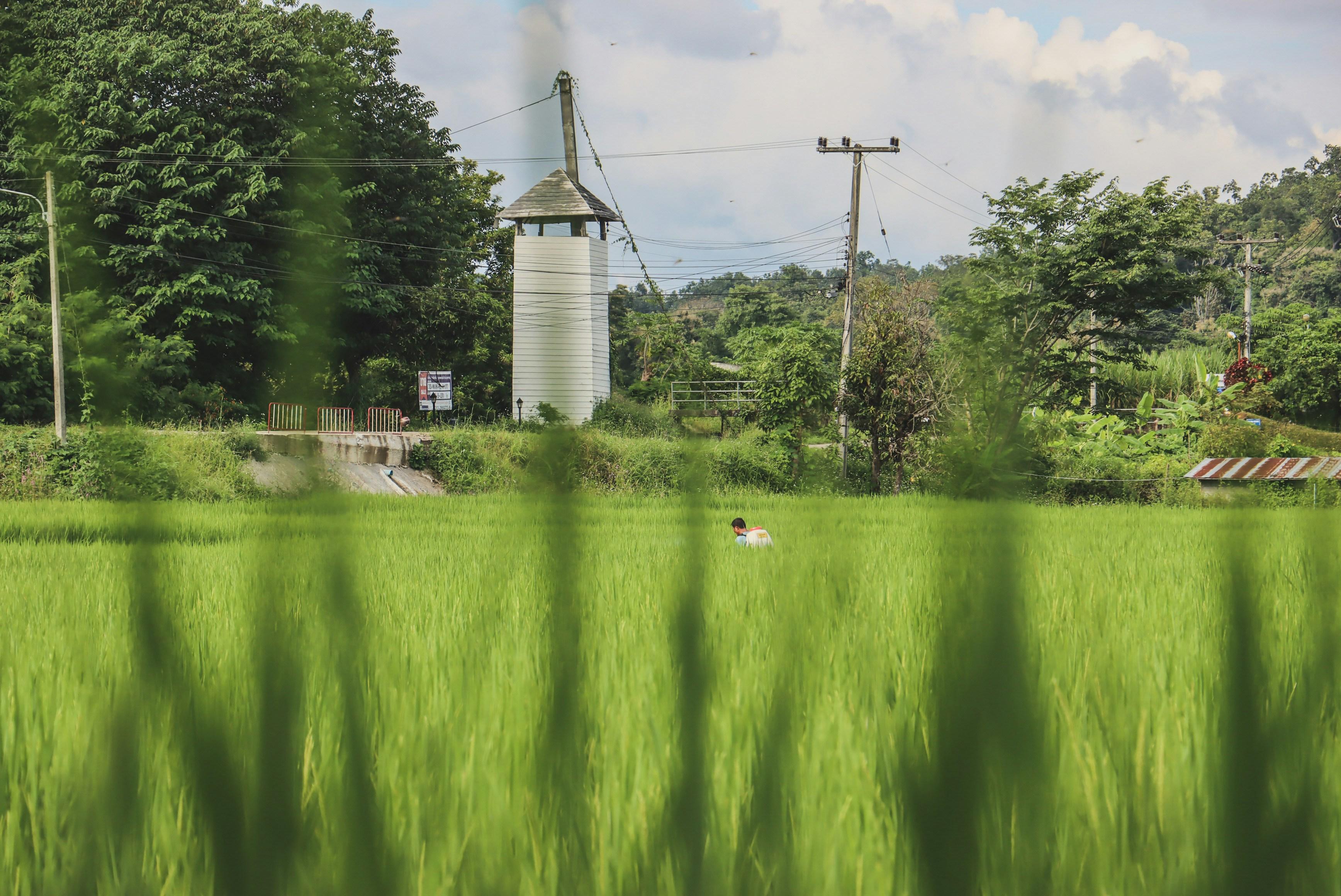
Unlocking the Advantages of Mini Rice Mills for Small Farmers
Mini rice mills are specialized machines designed to streamline the rice processing workflow, making them an essential tool for small farmers looking to maximize their yield and profitability.These compact mills substantially reduce the time and labor involved in post-harvest processing, allowing farmers to move from harvest to market more efficiently. Key advantages of using mini rice mills include:
- Cost-Effectiveness: Mini rice mills are generally more affordable than larger machinery, making them accessible for small-scale farmers.
- Improved quality: By integrating modern milling techniques, these mills enhance the quality of the rice, ensuring better market prices.
- Versatility: They can handle a variety of rice types and offer customizable settings for different milling requirements.
- Reduced Post-Harvest Losses: Quick processing minimizes spoilage and deterioration,significantly boosting the farmers’ income.
When comparing mini rice mills to traditional methods, small farmers find that the efficiency and productivity gains are significant. Traditional milling methods can be labor-intensive, requiring multiple steps that are more prone to errors and inconsistencies. In contrast, mini rice mills provide automated functions that decrease labor costs and time spent on processing. Additionally, farmers often look for recommendations about specific models or features. Consider factors like milling capacity, ease of maintenance, and technology support when choosing a mini rice mill. Investing in such machinery not only uplifts the individual farmer’s production capabilities but also fosters local economies by increasing the availability of high-quality rice.
Navigating common Misconceptions about Mini Rice Mill Technology
One prevalent misconception about mini rice mill technology is that it is indeed only suitable for small-scale production and cannot compete with larger mills in terms of efficiency or output. In reality, mini rice mills are designed to maximize the processing of rice while maintaining a high quality of output. With advancements in design and technology, modern mini rice mills can process up to 1,000 kg of paddy per hour, making them highly competitive with larger commercial mills. They offer various features that enhance productivity,such as adjustable milling pressures,energy-efficient motors,and integrated systems for husking,whitening,and polishing. Here are some defined advantages:
- Cost Efficiency: Minimizes investment and operating costs.
- Versatility: Can produce different rice varieties tailored to local demand.
- Quality Control: Offers better control over the milling process, ensuring higher-quality end products.
Another common misunderstanding is that mini rice mills are elaborate to operate and maintain. While it’s true that there is a learning curve, many manufacturers have focused on user-friendliness and support. Modern designs often come with intuitive controls, simplified maintenance procedures, and extensive user manuals. Moreover, the equipment can be set up to include training sessions for users, emphasizing hands-on learning. Regular maintenance is manageable, and many suppliers offer ongoing support, which means that local mill operators can efficiently handle any issues that arise. Below is a comparison to illustrate ease of use:
| Feature | mini rice mill | Large Rice Mill |
|---|---|---|
| Initial Investment | Low | High |
| Training requirement | Minimal | Extensive |
| Maintenance Complexity | Low | High |
Choosing the Right Mini Rice Mill: Essential features and Considerations
when selecting a mini rice mill,several key features and considerations come into play to ensure you make a well-informed purchase.First and foremost,the capacity of the mill should align with your production needs. Mini rice mills typically range from 100 to 600 kg per hour; thus, evaluating how much rice you intend to process daily will help you choose the right size. Additionally, consider the technique used in milling—whether a hull removal, dehusking, or grinding mill best suits your requirements. As an example,modern rice mills with automatic functions can significantly reduce labor costs and manual errors,making them favorable for small-scale operations.
Another crucial aspect is energy efficiency. Look for models that consume less power while delivering high output. This will not only reduce operational costs but also minimize your environmental footprint. maintenance requirements should also be a consideration; opting for a machine with readily available replacement parts and user-friendly maintenance processes will help prolong its lifespan and performance. Additionally, don’t overlook the importance of an after-sales service and warranty options—you want assurance that support is available should any issues arise post-purchase.A well-rounded mini rice mill is an investment that can elevate your rice production efficiency and profitability, making it essential to weigh these factors thoughtfully.
In Retrospect
mini rice mills have emerged as a transformative force in the landscape of small-scale rice production, offering a blend of efficiency, affordability, and accessibility. By equipping farmers with the tools necessary to process their crops locally, these compact machines not only enhance productivity but also empower communities to take charge of their own food systems. As we move forward into an era where sustainability and self-sufficiency are paramount, embracing the benefits and features of mini rice mills becomes increasingly essential. They are not just machines; they are a gateway to a more resilient agricultural future. Whether you’re a seasoned farmer or an aspiring entrepreneur, the adoption of mini rice mills could well be the catalyst for revitalizing local economies and nurturing a more connected relationship with our food. As the saying goes, sometimes the smallest things can make the biggest difference; in the case of mini rice mills, this adage holds notably true.