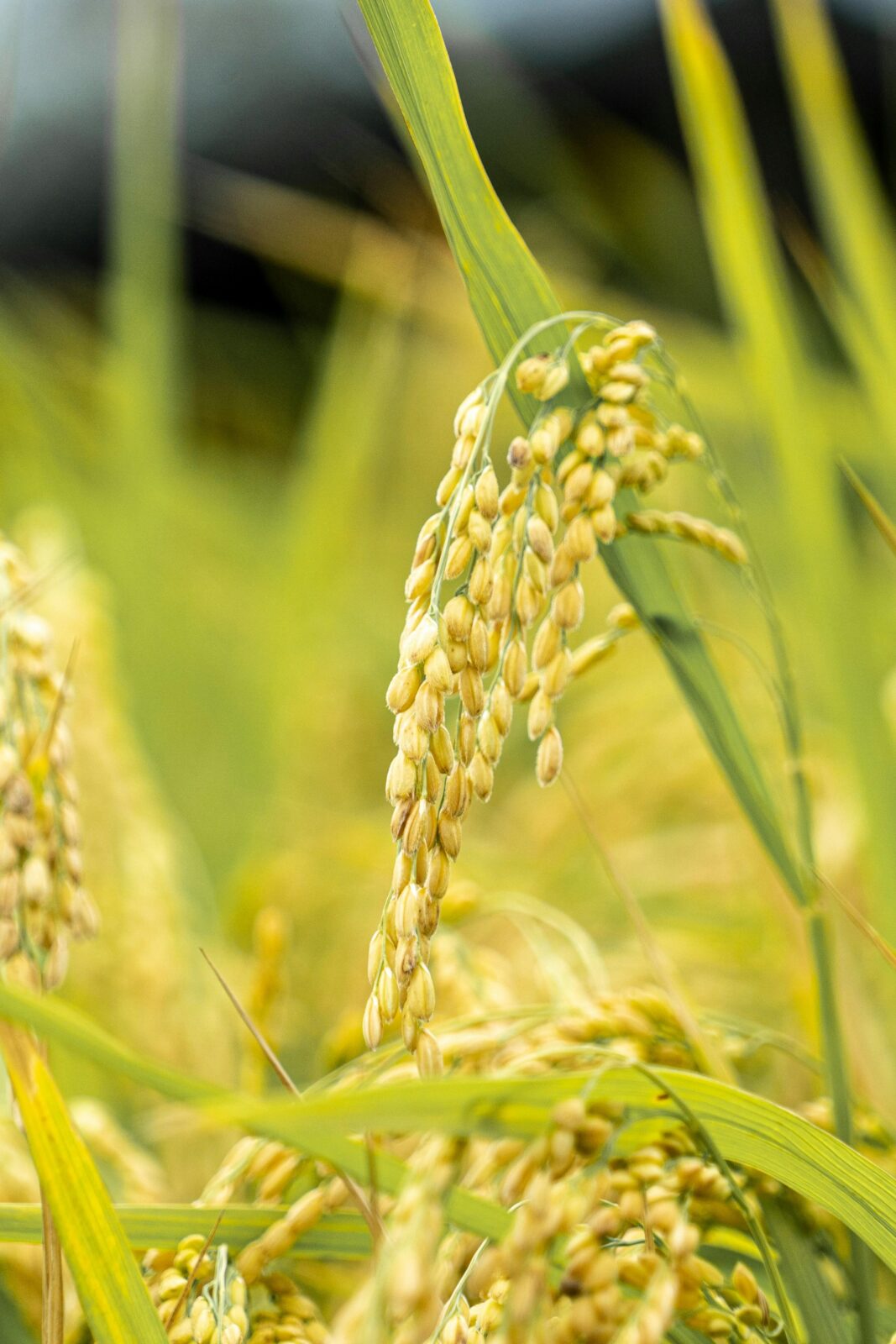
In the world of rice production, where quality is paramount and efficiency can make or break a business, the significance of selecting the right milling machine cannot be overstated. Weather you’re a small-scale farmer looking to enhance your harvest or a large-scale producer aiming to streamline your operation, the milling process plays a crucial role in determining the texture, aroma, and overall appeal of your rice. This extensive guide dives into the essential factors to consider when choosing the perfect milling machine — from technology and design to capacity and maintenance. By understanding these elements, you will empower yourself to maximize the quality of your rice while ensuring optimal performance and efficiency in your milling operations. Join us as we explore the vital components that will help you transform your rice into a premium product and elevate your production game.
Maximize Your Yield: A Practical guide to Choosing the Right Rice Milling Machine for Enhanced Efficiency and Quality
To maximize your yield and improve the overall quality of your rice, selecting the right milling machine is crucial. Start by assessing the scale of your production—small, medium, or large. For small-scale operations, consider a compact multi-functional milling machine that offers versatility without requiring significant capital investment. Brands that offer reliable small-scale mills include Satake and Mitsubishi, wich are known for their durability and performance. For larger operations, investigate high-capacity machines like the NIR (near Infrared) Milling machines, which can achieve greater efficiency by minimizing breakage during the milling process. Evaluate the following factors:
- Grain Quality: Check if the machine can handle your specific rice varieties to minimize quality loss.
- Power Consumption: Look for energy-efficient models that reduce operational costs.
- Maintenance Requirements: Assess how easy it is indeed to clean and maintain different machines; poorly maintained equipment can lead to subpar milling results.
One common pitfall is neglecting the importance of machine adjustments; incorrect settings can lead to a high percentage of broken grains. Invest in a machine with adjustable settings,allowing you to fine-tune based on the type of rice and the desired end product. Additionally, choose a machine that integrates advanced technologies such as moisture control systems that can help regulate grain quality. When comparing options, make a checklist like the following:
| Features | Machine A | Machine B |
|---|---|---|
| Adjustable Settings | Yes | No |
| Energy Efficiency | high | Medium |
| Integrated Moisture Control | Yes | No |
By comparing specifications in a structured format, you would be empowered to make informed decisions, maximizing your investment in the milling process.
The Way Forward
understanding the intricacies of rice milling is essential for anyone looking to elevate their grain processing operations. The right milling machine can substantially impact both the quality of your end product and the efficiency of your production process. By carefully considering factors such as milling technology, capacity, and maintenance requirements, you can make informed decisions that align with your specific needs.
As you embark on this journey to enhance your rice quality, remember that investing in the right equipment not only maximizes output but also ensures you are delivering the finest results to your customers. With the comprehensive insights provided in this guide, you are now better equipped to navigate the world of milling machinery. Embrace the opportunity to refine your approach, and watch as your rice quality flourishes—transforming not just your product, but your entire enterprise.