In the ever-evolving landscape of modern agriculture, where efficiency and innovation intertwine, auto rice mills stand out as a remarkable embodiment of technological advancement. These complex machines have transformed the age-old practice of rice milling—an essential process in food production—by streamlining operations and enhancing productivity.In this complete overview,we delve into the mechanics of auto rice mills,explore their myriad benefits,and assess their significant economic impact both locally and globally. As we unpack the complexities of this technology, we invite you to journey with us through the intricacies of auto rice milling, revealing not just its role in agriculture but also its potential to propel communities towards sustainability and growth in an increasingly competitive market. Join us as we uncover how these automated marvels are reshaping the rice industry and fostering a new era of agricultural efficiency.
Exploring the Innovative Technology Behind Auto Rice Mills
When , it’s vital to conduct thorough research and due diligence before investing. Begin by assessing the different types of auto rice milling machines available, focusing on key features such as capacity, energy efficiency, and the integration of automation. Here are some essential points to consider:
- Capacity: Opt for machines that match your production requirements. Such as, a small farm may benefit from a unit that processes 1-2 tons of rice per hour, while larger operations might require machines capable of 5+ tons per hour.
- Technology: Look for features like automatic grading systems, which can segregate rice by size and quality, ensuring better market price realization.
- Maintenance: Understand the maintenance requirements and availability of spare parts. some brands may have a better support network, reducing downtime during repairs.
Common pitfalls in selecting auto rice mills often stem from underestimating the operational costs and not evaluating the technological adaptability. Always check if the machine can be upgraded or if auxiliary equipment is compatible, as this can save significant costs in the long run. Moreover, consider the following:
- Energy Consumption: Invest in energy-efficient models that can significantly reduce operational costs over time. as a notable example, some newer models include solar-powered options.
- User Training: Ensure the manufacturer provides training on how to operate and troubleshoot the equipment, as improper use can led to frequent breakdowns and decreased efficiency.
- Warranty & Service: Choose a mill with a comprehensive warranty and reliable customer service to address issues promptly.
By following these guidelines, you can make informed decisions that not only enhance productivity but also contribute positively to your bottom line in the competitive rice milling industry.
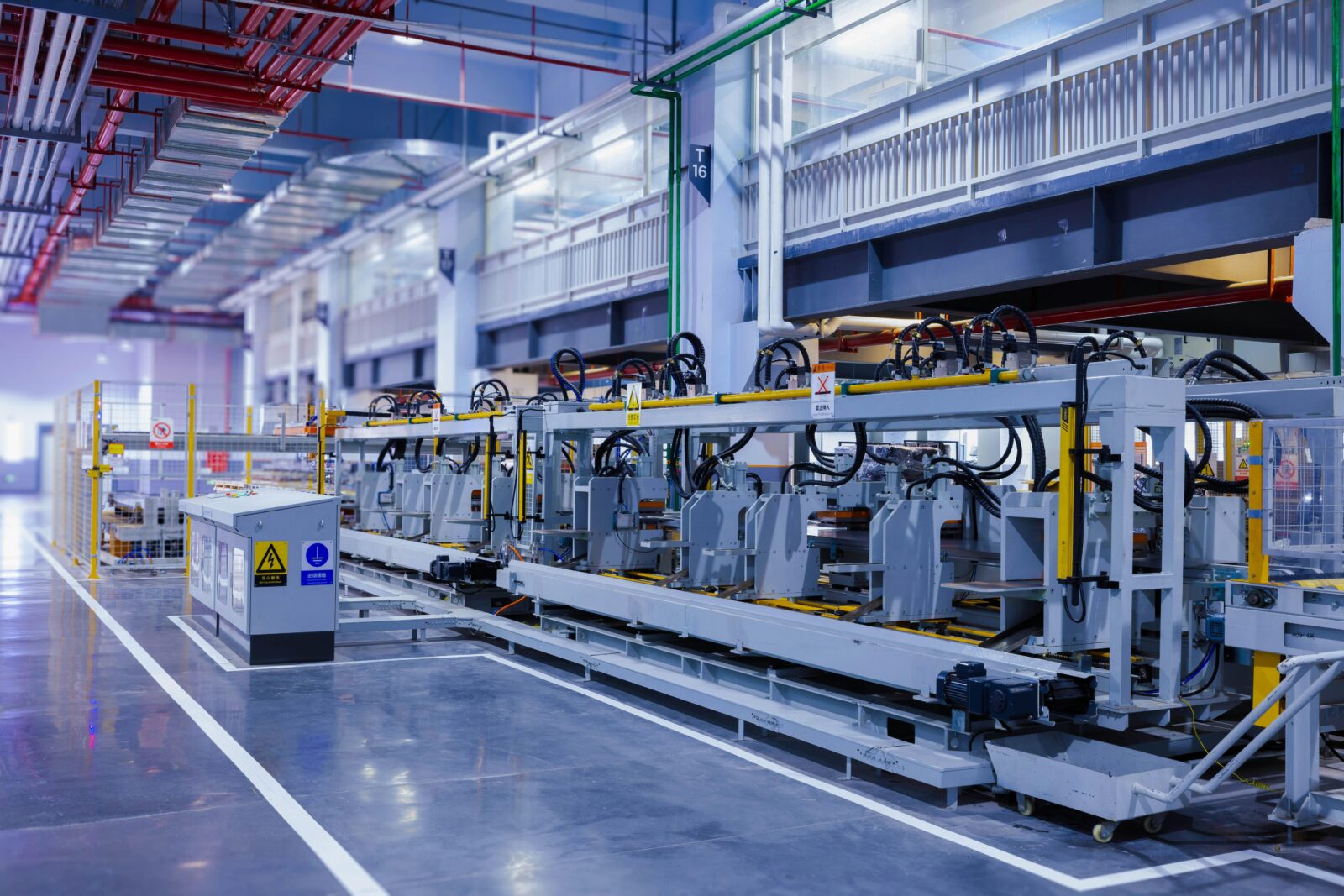
Examining the Benefits of Automation in Rice Processing
When integrating automation into rice processing, it’s crucial to consider the specific benefits it offers that can enhance operational efficiency and profitability. Here are some practical advantages to examine:
- Increased efficiency: Automation can significantly speed up the rice milling process. As a notable example, modern auto rice mills can convert raw rice into a market-ready product in a fraction of the time compared to traditional methods. Assess your current processing time and identify areas where automation could reduce bottlenecks.
- Consistency in quality: Auto rice mills utilize advanced technology to ensure uniformity in grain size and quality. This consistency can lead to better quality control, reducing the likelihood of defects or variances that could affect marketability. Implement regular quality checks and invest in mills known for technology that automatically adjusts settings based on input quality.
- Labour cost savings: Even though the initial investment in automated systems can be high, the long-term savings in labor costs can be ample. businesses should calculate the return on investment (ROI) by considering current labor expenses against the expected reductions post-automation. Align this analysis with industry benchmarks to ensure realistic expectations.
However, there are common pitfalls to avoid when transitioning to automation. Many operators underestimate the importance of proper maintenance and training for staff. For example, if the operators are not adequately trained on automated systems, it can lead to machinery breakdowns and increased downtime. Therefore, it’s crucial to:
- Establish a comprehensive training program focusing on equipment operation and troubleshooting.
- Develop a maintenance schedule based on manufacturer recommendations to prolong machinery life and efficiency.
Additionally, research shows that integrating smart sensors and IoT technology can optimize processing further by providing real-time data on equipment performance. This data allows for predictive maintenance, reducing the risk of potential failures. Consider collaborating with technology providers that offer tailored solutions to meet your operational needs, rather than opting for off-the-shelf equipment that may not fit your specific processes.
Analyzing the Economic Impact of Auto Rice Mills on Farming communities
When , it’s crucial to examine several key factors that can significantly influence decision-making for farmers and stakeholder organizations alike.First and foremost, farmers should evaluate the cost-benefit ratio of investing in or collaborating with auto rice mills. Key actions to take include:
- Assess Local Market Demand: Understand the demand for rice and rice products in your region. Collaborate with local producers to gauge pricing and consumption patterns.
- Check Processing costs: Compare costs associated with local mills versus auto rice mills. Frequently enough, auto mills become more efficient with larger quantities, so consider the scalability of your production.
- Investigate Financing Options: Look for grants or low-interest loans that might be available for farmers looking to invest in milling technology.
Though, it’s essential to be aware of potential pitfalls. Poor planning often leads to overspending on machinery that may not be fully utilized. Typically, this happens when farmers purchase large capacity mills without a corresponding increase in their paddy production. To avoid such issues, here are some recommendations:
- Start Small: If you’re new to investing in milling, begin with a smaller, more affordable auto rice mill. monitor its operational costs before scaling up.
- Engage in Community Cooperatives: Form or join cooperatives to share the costs and benefits of an auto rice mill. This shared approach can reduce financial risk and improve community resilience.
- Monitor Industry Trends: Stay updated with market shifts and technological advancements in milling. This knowledge will allow you to make informed adjustments to your operations as necessary.
By taking these steps, farmers can not only ensure better financial outcomes for themselves but also contribute positively to local agricultural economies. Focused planning and community collaboration are key strategies that frequently enough lead to sustainable success in leveraging the benefits of auto rice mills.
Strategic Recommendations for integrating Auto Rice Mills in Agriculture
To effectively integrate auto rice mills into agricultural practices, stakeholders must approach the decision-making process with a clear understanding of operational needs and market conditions. Here are some practical steps to follow:
- Assess local Demand: Conduct a market analysis to determine the volume of rice processing needed within your region. Utilize tools like surveys or local market reports to gather data on consumer preferences and pricing.Prioritize investing in auto rice mills where there is a clear demand to avoid future operational deficits.
- Evaluate Machinery Options: Review different models of auto rice mills based on capacity, energy efficiency, and maintenance needs. such as, machines that offer dual processing functions (like parboiling and milling simultaneously) can enhance productivity. Check user reviews and manufacturer warranties to gauge reliability.
- Implement Training Programs: Most failures in adopting new technology stem from inadequate operator training. Develop structured training sessions that focus on both the operational aspects and basic troubleshooting of machinery. Additional partnerships with local ag-tech education providers can ensure continued knowledge sharing.
- Monitor and Adapt Operations: After installation, track key performance metrics such as yield rates, processing time, and operational costs. Using tools like an Excel dashboard, compare these metrics against set benchmarks to identify areas for advancement. Regularly review the data and adjust practices accordingly.
Along with these steps, consider forming cooperatives to share the high initial costs of purchasing auto rice mills. Cooperatives can also leverage collective bargaining power to negotiate better deals with suppliers. This method not only reduces financial risk but promotes community engagement in agriculture:
| Co-Op Benefits | Individual Ownership |
|---|---|
| Reduced Capital Investment | Higher Initial Costs |
| Shared Expertise | Limited Knowledge Base |
| Enhanced Market Reach | Restricted Sales Channels |
By employing these strategic recommendations, agricultural stakeholders can maximize the potential of auto rice mills, elevate productivity, and ensure sustainable growth in rice production.
In Retrospect
the evolution of auto rice mills represents a significant leap forward in agricultural technology, merging efficiency with sustainability. As we navigate the intricacies of modern agriculture,understanding these mechanized marvels unveils a world where productivity is enhanced,quality is assured,and economic stability flourishes. The benefits of auto rice milling extend far beyond mere output; they ripple through communities, empowering farmers and fortifying food security.
As we look to the future, it’s essential to recognize the role of innovation in transforming traditional practices, shaping a resilient agricultural landscape that meets the demands of a growing population. Whether you’re a farmer considering an investment, an economist contemplating the broader impact, or simply a curious mind intrigued by agricultural advancements, the story of auto rice mills is one of promise and progress.
With the knowledge gleaned from this exploration, we invite you to engage in conversations about the future of agriculture and reflect on how technology can harmonize with tradition to cultivate a better tomorrow. In the ever-evolving field of agriculture, understanding the mechanisms that drive change is the first step toward embracing a more sustainable and prosperous future for all.