In the heart of agricultural innovation lies the intricate world of rice milling—a vital component in the journey from paddy to plate. As the global demand for rice continues to soar, the quest for efficiency in paddy processing has become a focal point for both farmers and millers alike.This article delves into the technical realm of optimizing rice milling operations, exploring precision techniques that enhance yield and quality while minimizing waste. By examining key performance metrics and critical decision factors,we aim to illuminate the pathways that can lead to more effective and sustainable milling practices. Join us as we navigate the cutting-edge strategies and insights that hold the potential to transform paddy processing into a beacon of productivity in the agricultural sector.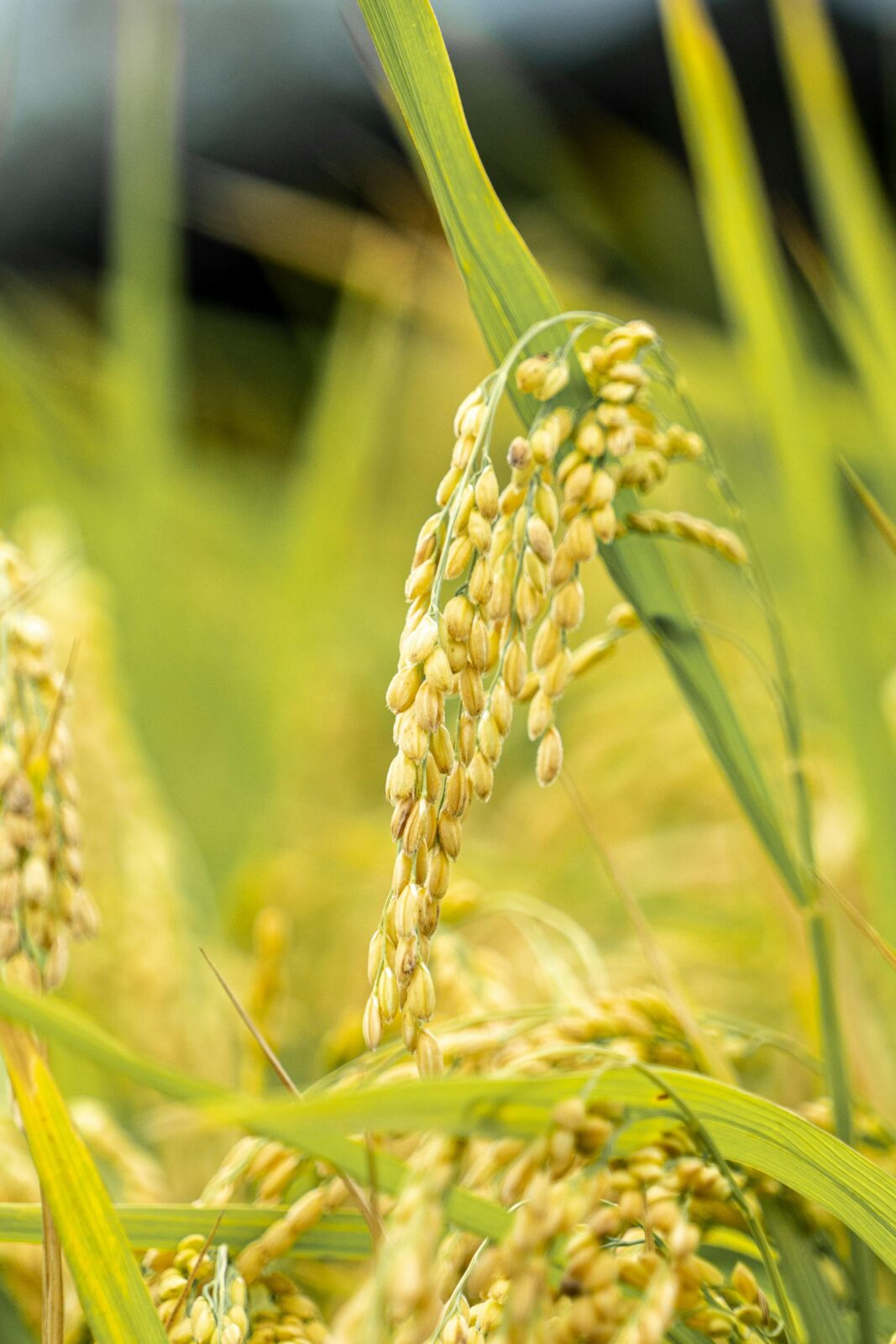
innovative Mechanisms in Rice Milling: Assessing the Role of Precision Engineering Techniques
in modern rice milling operations,precision engineering techniques have introduced innovative mechanisms that substantially enhance milling efficiency and grain quality. One key mechanism lies in the use of laser technology for husk removal. This precision approach ensures that the outer husk is removed uniformly, reducing the incidence of broken grains. Unlike traditional mechanical huskers, laser systems deliver targeted energy to the husk, minimizing mechanical stress and enhancing the overall recovery rate. The integration of sensors and data analytics further supplements this process, enabling real-time monitoring of moisture content and grain hardness. Metrics such as milling yield, head rice recovery, and de-husked grain quality can be precisely tracked, facilitating proactive adjustments during operation.
When assessing performance factors, circumferential velocity and roller gap settings emerge as pivotal criteria that dictate overall milling efficacy. For instance, a narrower roller gap may improve head rice yield, but it increases the likelihood of grain fracture at higher speeds. A provided comparison table delineating optimal speed settings against retained kernel quality can be instrumental in fine-tuning milling operations:
| Speed (RPM) | Head Rice Yield (%) | Kernel Fracture Risk (%) |
|---|---|---|
| 100 | 75 | 5 |
| 150 | 70 | 10 |
| 200 | 65 | 15 |
These specifications provide a framework for millers to optimize conditions based on the quality and type of rice being processed. Despite these advancements, limitations such as the initial costs of implementing precision technologies and the need for continuous calibration can act as barriers to entry for some mill operators.However, as competition and quality demands intensify, adopting precision engineering is becoming critical for sustaining operational viability and maximizing overall paddy processing efficiency.

Evaluating the Impact of Performance Metrics on Quality and Efficiency in Paddy Processing
Performance metrics are crucial in quantifying the effectiveness of paddy processing operations. they serve as benchmarks for several key aspects of the milling process, influencing both quality and efficiency. Notably, metrics such as milling yield, measured as the percentage of whole grains obtained from paddy, and broken rice percentage, which indicates the proportion of damaged grains, are vital in assessing the output quality. The relationship between these metrics and the milling equipment settings—such as moisture content, hulling pressure, and polishing time—reveals critical process insights. Such as, optimal moisture levels (typically between 18-20% for milling) can significantly enhance milling yield while minimizing broken rice, illustrating the need for precise moisture control mechanisms like hydrometers or moisture analyzers.
When evaluating the impact of performance metrics, it’s essential to consider various performance factors, including operational speed, energy consumption, and labor efficiency.A comparison of different milling technologies—such as traditional stone mills versus modern automated systems—underscores how operational efficiency can be enhanced. While stone mills may have lower initial costs, they often yield a higher broken rice percentage and require more manual labor, which diminishes overall efficiency. Conversely, modern milling systems typically embrace features like automation, sensor integration, and real-time feedback loops, allowing operators to adjust parameters dynamically based on performance metrics. However, technological limitations, such as high maintenance costs and operator training needs, must also be factored into the decision-making process to ensure that improvements in performance metrics translate effectively into enhanced milling operations.
Navigating Engineering Choices: Key Specifications and Material Innovations in Rice Milling Systems
The selection of engineering specifications and materials in rice milling systems is pivotal to enhancing processing efficiency,durability,and product quality. The following key specifications should be considered:
- Motor Power: The efficiency of the milling process frequently enough hinges on the motor power, typically ranging from 5 to 15 horsepower. High-capacity mills that process more than 1 ton of paddy per hour generally require motors above 10 HP for optimal performance.
- Material Composition: The choice of materials influences both the longevity and the effectiveness of the milling equipment. Sturdy, corrosion-resistant materials like stainless steel and tempered alloy cast iron are preferred for components such as hoppers, hullers, and polishers.
- Screen Size: Mill screens typically use a range of perforation sizes from 0.5mm to 3mm. Smaller perforations can yield better separation of fine materials, while larger ones speed up throughput but may reduce cleaning efficiency.
- Machinery Configuration: The layout of milling machines (e.g., single-pass vs. multi-pass systems) impacts operational efficiency and energy consumption. Multi-pass systems often result in higher quality rice by allowing for controlled processing but may introduce a higher energy requirement.
Understanding the mechanisms behind these specifications requires a grasp of the milling process itself.As a notable example, during the hulling phase, rubber rolls and metal sieves engage in a precision interaction to remove hulls without damaging the rice grains. Adjusting the pressure and speed of the rubber rolls directly affects the hulling efficiency; an unbalanced configuration can lead to excessive breakage or inefficient hulling. Additionally, performance metrics, such as milling recovery rate (typically aiming for 65–72% of head rice), should determine machinery selection. It is essential to weigh advantages and limitations; while high-speed milling may increase throughput, it can also elevate energy consumption and wear on machinery. Implementing a feedback control system could optimize operational parameters dynamically, ensuring efficiency across varying input conditions—signifying a technical progression in rice milling operations.
Benchmarking Advances in Rice Milling: Comparative Analysis of Techniques and Their Limitations
In the realm of rice milling, various techniques have emerged, each employing distinct mechanisms to enhance the yield and quality of the final product. Traditional milling methods, such as the use of stone mills and disc mills, typically provide a lower extraction rate and higher levels of broken kernels compared to modern, mechanized techniques.For example, modern multi-stage milling systems utilize a series of integrated processes, including dehusking, whitening, and polishing, which significantly improve the milling efficiency and minimize breakage by controlling parameters such as humidity and processing speed. The advantages of these advanced systems include:
- Higher Yield: Multi-stage systems boost overall extraction rates to 67-70%, compared to 65-67% in traditional methods.
- Reduced Kernel Damage: Precision control reduces the broken grain percentage to as low as 5% compared to 15% in older systems.
- Energy Efficiency: Advanced designs optimize power consumption, significantly lowering operating costs.
| Technique | Yield (%) | Broken Kernels (%) | Power Consumption (kWh/ton) |
|---|---|---|---|
| Traditional Methods | 65-67 | 15 | 200 |
| Modern Multi-Stage | 67-70 | 5 | 150 |
However, these advanced techniques come with their own set of limitations. High initial capital investment and maintenance costs can deter small-scale mill operators from adopting modern systems.Furthermore, the complexity of modern milling machines requires skilled labor for operation and maintenance, posing a barrier in regions where training resources are limited. Additionally,factors such as the quality of paddy being processed can significantly influence the effectiveness of these systems; as an example,high moisture content in paddy can lead to increased stickiness and damaging during milling,irrespective of technique. Performance metrics such as operational flexibility and adaptability to various paddy varieties also emerge as critical decision-making factors when analyzing milling options. while modern rice milling techniques offer important advancements,they must be weighed against economic feasibility,local labor capabilities,and the specific agricultural context within which they are implemented.
In Retrospect
optimizing paddy processing is a multifaceted endeavor that intertwines technical precision with practical decision-making. As we’ve explored in this review, the integration of advanced precision techniques and carefully defined performance metrics can significantly enhance the efficiency and effectiveness of rice milling operations.By embracing these innovations, millers not only improve their output and quality but also contribute to a more sustainable and resilient agricultural ecosystem.
The decision factors we’ve examined highlight the need for a holistic approach, wherein economic considerations, environmental impact, and technological advancements are harmoniously aligned. As the global demand for rice continues to rise, the need for optimized processing becomes ever more critical.
Moving forward, collaboration among stakeholders—from engineers to farmers—will be imperative to drive progress in this sector. By staying attuned to emerging trends and actively engaging in knowledge sharing, the rice milling industry can continue to evolve and thrive. Together,through the lens of precision and performance,we can cultivate a future where every grain of rice reflects the pinnacle of processing excellence.Thank you for joining us on this exploration of paddy processing; as the journey unfolds, let us remain committed to innovation and sustainability in our food systems.