In the heart of rural landscapes, where golden fields stretch as far as the eye can see, a humble grain undergoes a remarkable conversion. But this is no ordinary tale of agriculture; it is indeed the story of a jet rice polisher, a seemingly unassuming machine that plays a pivotal role in elevating the destiny of rice from mere staple to a symbol of quality and nourishment.In “From Grain to Glory: The Journey of a Jet Rice Polisher and the Lives It Transforms,” we delve into the intricate process that turns unrefined grains into sparkling jewels of nutrition. As we explore the technology behind polishing, we will also meet the farmers, millers, and families whose lives are interconnected with this journey. Together, we will reveal how a single machine not only enhances the appearance and taste of rice but also uplifts communities, fuels economies, and enriches cultural heritage. Join us as we embark on this enlightening voyage, where we discover the intricate relationships between innovation, tradition, and the transformative power of a grain.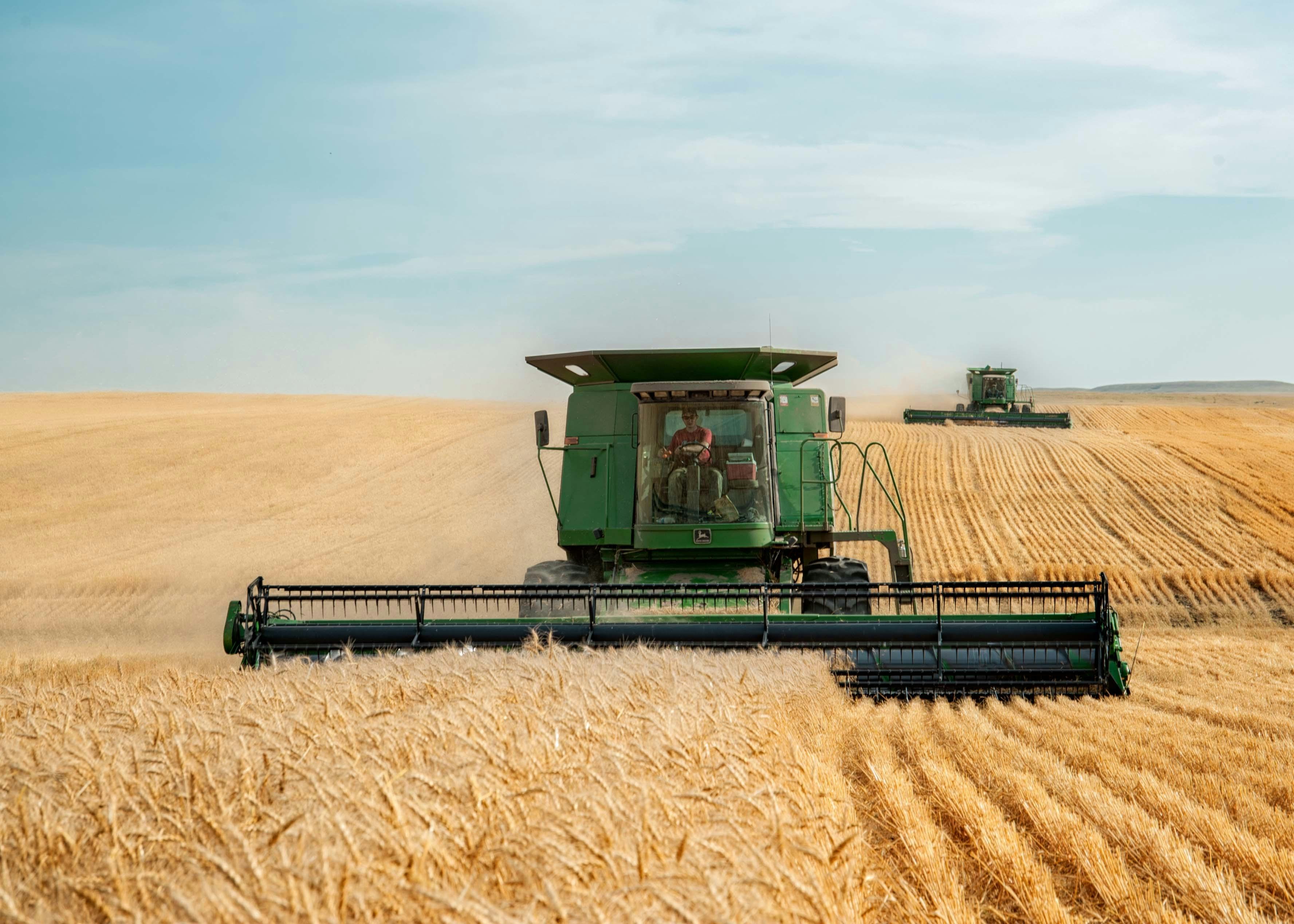
Harvesting Dreams: How a jet Rice Polisher Breeds Hope in Rural Communities
In the heart of rural communities, where agriculture is not just a livelihood but a way of life, the introduction of a jet rice polisher has become a catalyst for transformation. Take the case of the village of Nandpur, where farmers once relied on traditional methods to process rice, often leading to high levels of broken grains and lower market prices. With the arrival of the jet rice polisher, expectation soared. Farmers like Ramesh, who had always depended on his family’s time-honored techniques, faced a pivotal decision moment: should he invest in this new technology or stick to the familiarity of his old practices? After months of hesitation, Ramesh made the leap, motivated by stories of others who had reaped the benefits. This decision dramatically changed his life and the village dynamics.
The results were nothing short of remarkable. The jet rice polisher not only enhanced the quality of the grains but also increased Ramesh’s yield by over 30%. The transformation in grain quality allowed him to sell his rice at a premium price, making the investment quickly pay off. More importantly, Ramesh’s success inspired a wave of hope among his neighbors. As word spread,other farmers began to follow suit,creating a ripple effect of economic revival. this newfound prosperity enabled improvements in local infrastructure, schools, and healthcare. In the span of a single season, a once-struggling village began to flourish, showcasing how a simple machine can harness the dreams of many. It wasn’t just about polishing rice; it was about polishing lives.
To illustrate the impact, here is a simple comparison of outcomes before and after the introduction of the jet rice polisher:
| Aspect | before Jet rice Polisher | After Jet Rice Polisher |
|---|---|---|
| Yield per acre | 60 kg | 80 kg |
| Quality of grain | 30% broken grains | 10% broken grains |
| Market price | $0.50/kg | $0.70/kg |
In rural areas, where every small change can lead to monumental shifts in community well-being, the jet rice polisher has not merely improved productivity; it has genuinely bred hope. Villagers now envision futures that extend beyond subsistence, cultivating aspirations rooted in sustained economic growth. What began as a simple decision to embrace technology has reshaped dreams,one polished grain at a time.
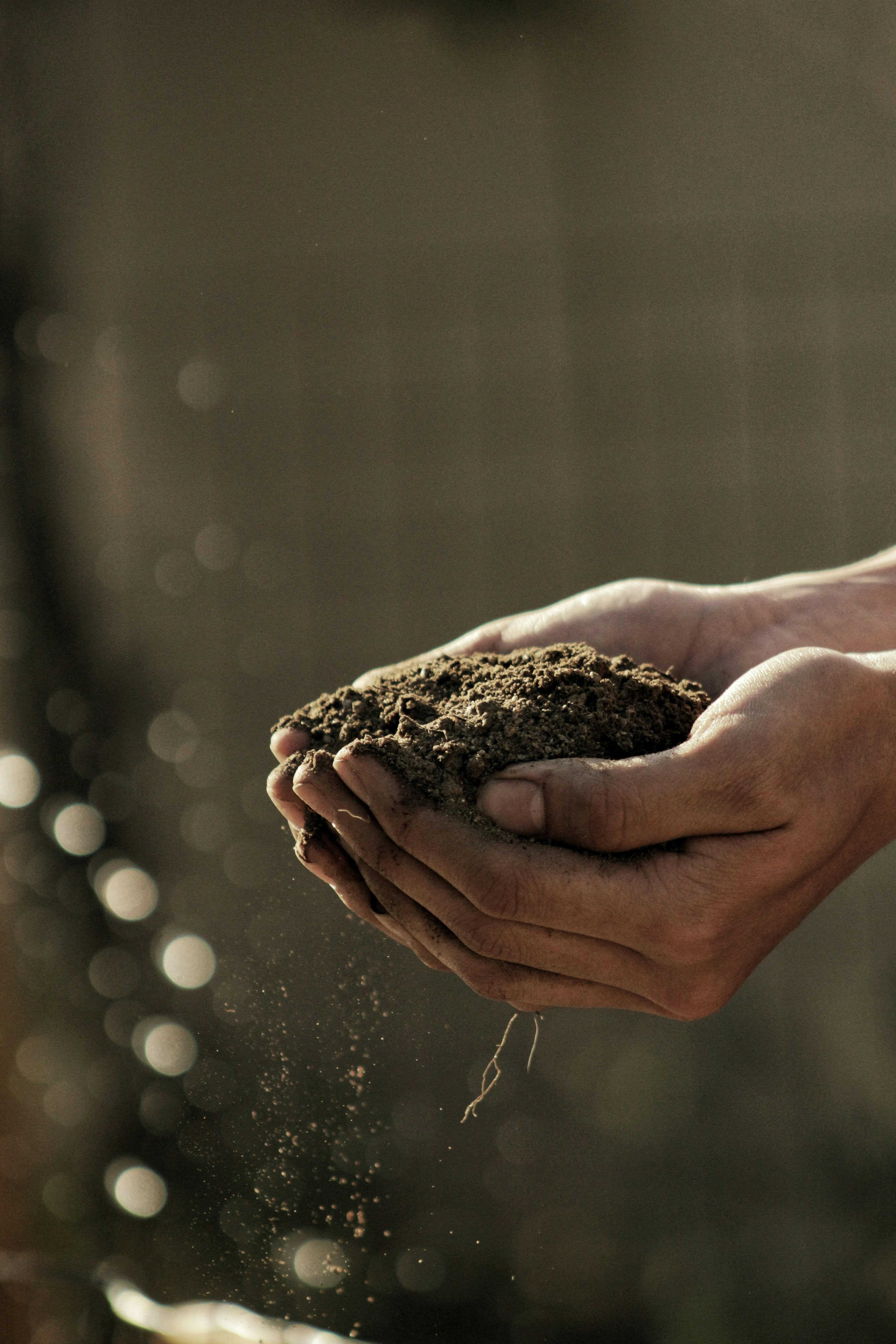
Turning the wheel: The Challenges Faced by Farmers Embracing Modern Milling
As farmers transition from traditional processing methods to modern milling technologies like the Jet Rice Polisher, they often encounter a series of challenges that test their resilience and adaptability. Take, for instance, the story of Rajesh, a rice farmer in a small village in India. Upon learning about the benefits of modern milling,he was eager to upgrade his operations. However, he faced initial resistance from his family, who were wary of the costs involved and the potential risks of changing a practice passed down through generations. This internal conflict not only highlighted the generational gap in agricultural practices but also underscored the emotional ties associated with traditional farming. Rajesh’s experience is a testament to the reality that modernizing farming techniques often involves navigating complex family dynamics while managing the financial strain of new investments.
Moreover, even after embracing new technology, the operational hurdles continued. As an example, Rajesh invested in a Jet rice Polisher, expecting immediate boosts in efficiency and product quality. Rather, he found that learning to operate the machine effectively required ample training and understanding of new processes. unexpected breakdowns due to lack of proper maintenance knowledge added to his frustration. He often would find himself wishing for the simplicity of the traditional methods, which, despite their inefficiencies, were familiar and predictable. This contrast became a notable learning moment for him, prompting Rajesh to seek community support and resource-sharing among local farmers who were also adopting modern techniques. They began hosting workshops,creating a network that helped them collectively troubleshoot issues and share successes.Through this process, Rajesh not only improved his milling operations but also fostered a sense of community, illustrating that while the road to modernization is fraught with challenges, the rewards are frequently enough as much about connection and growth as they are about production.
Transformative Touch: Real Stories of lives changed Through Precision Polishing
Precision polishing is frequently enough seen as just a technical step in processing rice, but the stories behind this process illuminate its profound impact on communities and lives. Take, as a notable example, the story of Meera, a small-scale rice mill owner in a rural area of India. before acquiring a jet rice polisher, Meera faced significant challenges. The rice produced in her mill had uneven textures and varied quality, making it difficult to compete in local markets.Her decision to invest in precision polishing technology, however, changed her fortunes. The first time she saw polished rice gleaming in the sunlight, she couldn’t help but recall her family’s struggle with stagnant income. Customers who once bypassed her shop now returned, drawn by the improved quality of her products. This tangible transformation led to an increase in sales that allowed her to expand her business, hire additional workers from her village, and fund her children’s education—somthing she had only dreamed of.
then there’s Rajesh, who operated a larger processing facility but was disheartened by the environmental waste associated with older polishing techniques. He had educated himself on sustainability and understood that modern methods could maintain quality while reducing by-products. His commitment to innovation led him to a jet rice polishing system that used less water and energy. Initially, some of his employees were skeptical, fearing that the new machinery would replace their jobs. However, Rajesh fostered an inclusive atmosphere by involving them in the training process, highlighting how thes changes could enhance their skills rather than eliminate their positions. soon enough, they witnessed not only a drop in operational costs but also an increase in customer satisfaction. Rajesh’s decision to embrace precision polishing ultimately transformed not just his business model but also the mindset of his team, who now see continuous improvement as part of their day-to-day roles.
Beyond the Grain: The Ripple Effect of a Jet Rice Polisher on Food Security and Culture
The impact of a jet rice polisher extends far beyond mere efficiency in grain processing; it serves as a catalyst for food security and enriches cultural traditions. In rural India, for instance, a family-run rice milling business in West Bengal, once reliant on traditional milling methods, found themselves grappling with the dual challenges of grain loss and slow production. After investing in a jet rice polisher, they experienced an remarkable reduction in breakage from 20% to just 5%.This transformation not only improved their profit margins but also ensured that a greater quantity of rice reached local markets—stabilizing prices and increasing food access in a region prone to seasonal shortages. Such technological advancements can create a ripple effect, enhancing community livelihoods while safeguarding against food scarcity. The benefits extend beyond economics; families can invest in education and health, breaking long-standing cycles of poverty.
Moreover, the jet rice polisher plays a crucial role in preserving culinary heritage. Take a small cooperative in the Philippines, where members use this technology not just for business, but to maintain traditional rice varieties.Before adopting jet polishing, their efforts to revive heirloom rice were hampered by outdated methods that could not effectively process these delicate grains. With polished heirloom rice now appealingly presented on local market shelves, community pride surged. Not only did this process elevate the market value of their products, but it also reignited a connection to their cultural identity. Examples of traditional vs. Jet Polished Rice highlight the stark differences in consumer perception and culinary submission:
| Aspect | Traditional Rice | Jet Polished Rice |
|---|---|---|
| Appearance | Rough, unrefined | Sleek, shiny |
| Nutritional Content | Higher in fiber | Lower fiber, but improved shelf-life |
| Cultural Meaning | Deep-rooted local traditions | Modern adaptation of tradition |
Communities are leaning into this blend of technology and tradition, learning that a rice polisher can uphold their cultural practices while enhancing their food security. In this way, the journey of each grain becomes a story of resilience, identity, and hope for a better tomorrow.
The Way Forward
as we conclude our exploration of ”From Grain to Glory,” it becomes evident that the journey of a jet rice polisher is not just a tale of machinery and production; it is a testament to human resilience and aspiration. This unassuming device, often overlooked, plays a pivotal role in elevating staple grains from their rustic origins to a polished state, signifying more than just physical transformation. With each grain it processes, the jet rice polisher echoes the hopes of farmers, families, and communities striving for nourishment and prosperity.
The impact of this technology ripples outward, touching lives and fostering growth—both literally and metaphorically—across regions and cultures. In a world that often prioritizes the flash of innovation, let us not forget the stories woven into the fabric of every meal, every bowl of rice, that the humble polisher makes possible. As we savor the fruits of this journey, may we continue to appreciate the intricate connections between our food and the journeys that shape our society. The path from grain to glory is not merely about the grain itself; it is indeed about the lives transformed along the way, reminding us that behind every polished kernel lies a rich legacy of effort, dedication, and hope.