Optimizing Maize Milling: A Complete Analysis of Processes, Specifications, and Performance Metrics
In the bustling world of agriculture and food production, maize stands out as one of the most versatile crops, serving as a staple in diets across the globe. Yet, the journey from ear to meal is frequently enough overlooked, particularly the intricate processes that transform this golden grain into a vital ingredient for countless products. Maize milling,while appearing straightforward,is a refined operation that requires a nuanced understanding of various processes,precise specifications,and reliable performance metrics. This article delves into the complexities of maize milling, exploring the technologies and methodologies that underpin efficiency and quality. By dissecting the critical components of milling—from the initial grain selection to the final flour output—we aim to illuminate the pathways to optimization that not only enhance productivity but also align with industry standards. Join us on this journey of discovery as we navigate the intricacies of maize milling, providing a comprehensive analysis that promises to be informative for both seasoned professionals and newcomers eager to learn about this essential process.
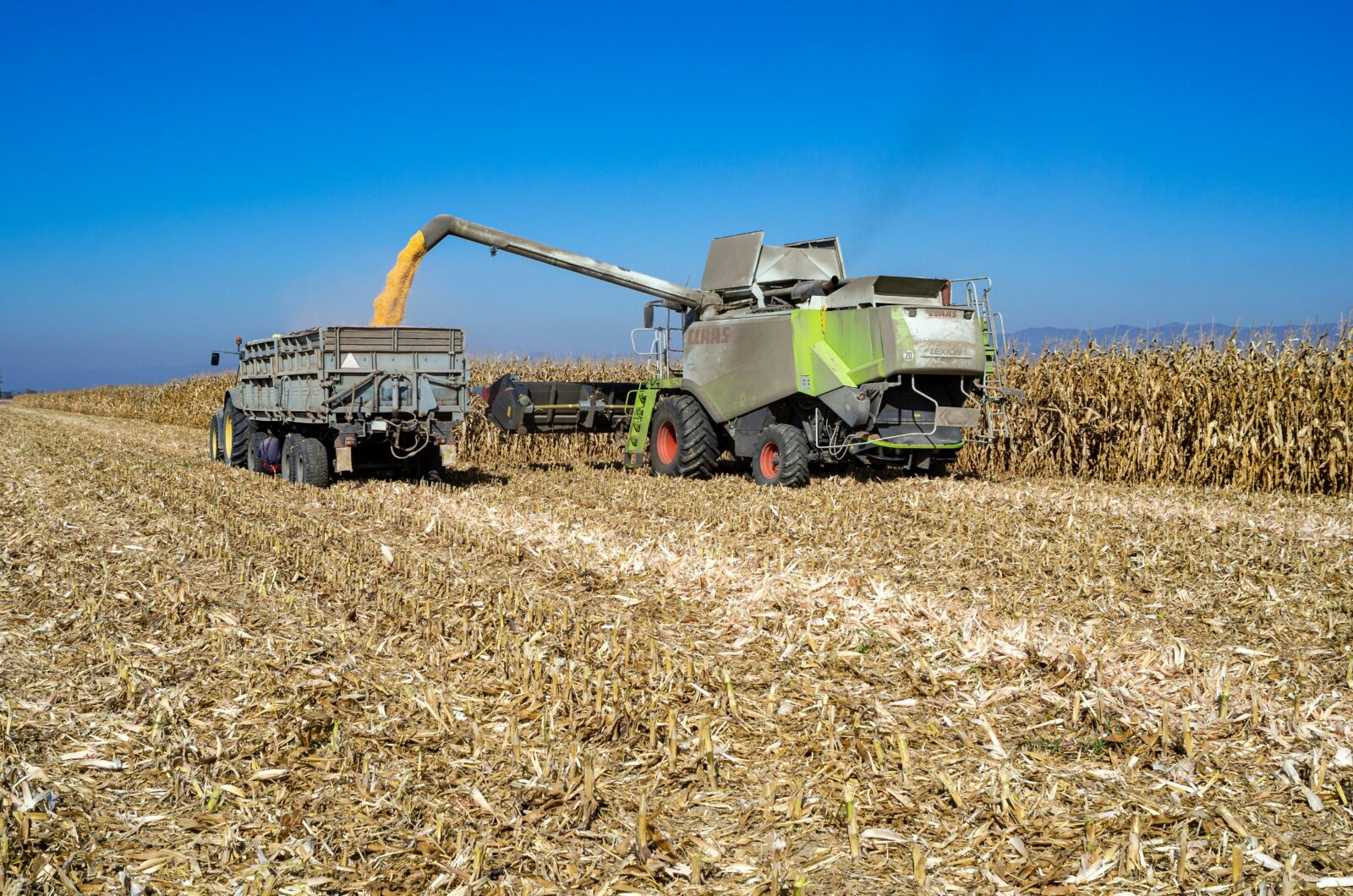
Evaluating the Structural Dynamics of Maize Milling Machinery for Enhanced Efficiency
To enhance the efficiency of maize milling machinery, a detailed evaluation of its structural dynamics is essential. The operational mechanics typically involve the interaction of various components including the grinding chamber, sifting section, and drive system. Key criteria for assessment include the material flow efficiency, energy consumption, and wear and tear on critical components. These factors directly influence the overall output quality and operational lifespan of the equipment. As a notable example, when analyzing the grinding chamber, one can look at the type of milling mechanism deployed: roller mills are known for their consistency and lower energy use compared to hammer mills, which may provide faster processes but produce more heat and require additional cooling systems.
When evaluating performance metrics, it is important to consider multiple factors that contribute to the overall milling efficiency, including moisture content, grain density, and milling speed. A comparative analysis between different milling technologies can be presented in a concise table,showcasing throughput rates,energy consumption per ton,and the particle size distribution achieved. For instance, a conventional hammer mill may operate at 500 kg/h with an energy uptake of 5 kWh/ton, while a modern roller mill might achieve 800 kg/h at 4 kWh/ton. Limitations also emerge in terms of maintenance requirements and operational complexity, which can hinder optimal performance and increase downtime. It is essential for mill operators to balance these dynamics by opting for machinery that not only meets performance specifications but also aligns with their specific production needs and financial viability.

Material Selection and Its Impact on the Milling Process: A Technical Exploration
Material selection is critical in the milling process, as the properties of the input material directly influence the efficiency, output quality, and energy consumption of the milling operation. Maize encompasses various genotypes, each characterized by distinct physical and chemical properties, including kernel hardness, moisture content, and oil composition. These variations necessitate specific considerations in the milling technique employed. For example, hard maize kernels may require a roller milling process, where the grinding action is facilitated by steel rollers, ensuring uniform particle size and quality of flour. In contrast, softer kernels might be better suited to a hammer mill, which utilizes high-speed rotating hammers to achieve the desired reduction. the selection of milling equipment can further be refined by examining the following criteria:
- kernel Moisture Content: ideal moisture levels (12-15%) enhance grinding efficiency and mitigate excessive heat generation.
- Kernel Hardness: Different milling systems demonstrate varied performance based on kernel hardness, impacting the energy input required.
- End-Use Specifications: Depending on desired flour particle sizes (i.e., fine vs. coarse), different milling techniques will yield distinct outcomes.
Comparative assessments often reveal trade-offs linked to equipment choice and material properties. For instance, roller mills may produce a more consistent flour quality but could be less efficient when processing high-moisture maize, leading to increased sticking and more frequent downtime for cleaning. Alternatively, hammer milling may allow for more variability by accommodating diverse kernel types but at the potential cost of achieving exact particle size specifications. Moreover, the inherent limitations of each milling method must be acknowledged; roller mills generally necessitate more significant initial capital investment and require precise calibration to operate efficiently.On the other hand, hammer mills are typically more cost-effective and easier to maintain, but may suffer from energy inefficiencies due to their impact-based reduction mechanism. Performance factors such as throughput, energy consumption, and flour quality parameters (protein content, particle size distribution) should be continuously monitored and adjusted based on the material attributes to achieve optimal milling outcomes.

Performance Metrics in Maize Milling: Bridging Quality and Output Standards
In maize milling, performance metrics serve as essential tools to evaluate both the quality of the milled product and the overall output efficiency of the milling process.Key performance indicators (KPIs) transform subjective assessments into quantifiable data. Commonly measured metrics include:
- Extraction Rate: This refers to the percentage of flour produced from the whole maize grain. Optimal extraction rates typically range between 70-80%, depending on the milling method employed.
- Particle Size Distribution: Measured using sieve analysis,this metric assesses the homogeneity of the flour. Consistency in particle size usually enhances product quality and improves functional properties.
- Colour and Appearance: Visual inspections and spectrophotometry can be used to determine the degree of whiteness or yellowing, which may influence consumer choice.
to achieve these performance metrics, it is crucial to understand the mechanisms at play within the milling process. Such as,the choice of milling technique—whether roller milling,hammer milling,or stone milling—can significantly impact both yield and flour quality. Roller mills, designed for high-capacity production, excel in producing finer flour but may require stricter control over moisture content to avoid over-cooking the grain. Conversely, traditional stone mills often yield a coarser product but retain more of the nutrient profile of the maize. Limitations exist as well; for instance,over-milling can lead to elevated starch damage,affecting baking qualities. key factors influencing overall performance include moisture levels of the maize at milling, the health of the milling machinery, and effective inventory management of raw grains, all of which can substantially affect both the economic and quality output of the milling operation.

Engineering Innovations in Maize Milling: Overcoming challenges and Enhancing Product Consistency
In the realm of maize milling, engineering innovations are pivotal for addressing challenges such as inconsistent grain quality, byproduct management, and energy consumption.Advanced milling systems have been developed to enhance operational efficiency and product purity. Key innovations include:
- Roller Mill Design: Modern roller mills employ a double-pass or multi-pass system to improve particle size distribution, ensuring a consistent flour quality. The arrangement and speed of the rollers can be adjusted to accommodate various maize types and customer specifications.
- Air Classification: This technique utilizes air streams to separate coarse and fine particles, enhancing the final product quality. By adjusting airflow rates, millers can optimize yield and minimize waste.
- Automated Control Systems: Sophisticated software and sensors allow real-time monitoring of milling parameters, such as moisture content and temperature, enabling proactive adjustments to maintain product consistency.
Despite these advancements, several limitations and challenges persist. As a notable example, variations in kernel hardness, moisture level, and hybrid characteristics can affect milling performance. These factors necessitate robust specifications to guide milling operations. Below is a comparison of conventional versus advanced milling systems regarding performance metrics:
| Parameter | Conventional Milling | Advanced Milling |
|---|---|---|
| Yield | 75% – 80% | 80% – 90% |
| Energy Consumption | High (varies) | Lower due to optimization |
| Consistency | variable | High consistency with automated systems |
Performance factors such as maintenance schedules and the selection of appropriate milling equipment also play crucial roles in the overall effectiveness of milling operations. Advanced technology in maize milling continues to bridge the gap between traditional practices and modern demands, ultimately leading to improved economic viability for millers and enhanced product quality for consumers.
The Conclusion
the journey of optimizing maize milling is intricate, yet profoundly rewarding.This comprehensive analysis has illuminated the multifaceted processes, critical specifications, and performance metrics essential for maximizing efficiency and productivity in milling operations. As we continue to navigate the evolving landscape of agricultural processing, it is indeed crucial for millers and industry stakeholders to adopt a holistic approach—one that embraces technological advancements and innovative strategies while being mindful of sustainability and quality.
The insights gleaned from this exploration serve not only as a beacon for enhancing operational performance but also as a stepping stone towards cultivating a more resilient food supply chain. By prioritizing best practices and continuously refining our processes, we can unlock the full potential of maize milling, ensuring that it meets the demands of today’s market and paves the way for a more prosperous tomorrow.
As we turn the page on this analysis, may it inspire further inquiry and collaboration within the industry, driving progress and excellence in every kernel that flourishes. Together, let us continue to strive for optimization, making each milling effort count toward a better future for all.