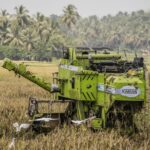
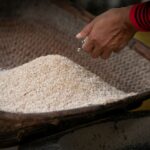
In the world of agriculture, the journey from paddy to plate is a meticulous one, laden with choices that impact both yield and quality. Among these choices,selecting the right rice milling machine stands out as a pivotal decision for farmers and millers alike. With the right equipment, the change of raw rice into a polished product can be seamless and efficient, enhancing not only productivity but also the overall quality of the final output. This article aims to guide you through the essential considerations in choosing the perfect rice milling machine, illuminating the path to optimizing efficiency and ensuring that your harvest realizes its full potential. Whether you’re a seasoned rice producer or venturing into milling for the first time, this practical guide will equip you with the knowlege to make informed decisions, maximizing both your harvest and your growth in the rice industry.
Maximize Your Harvest: A Practical guide to Choosing the Right Rice Milling Machine for Optimal Yield and Efficiency
When selecting a rice milling machine to maximize your harvest,consider the following practical factors to enhance both yield and efficiency:
- Types of Milling Machines: Understand the differences between traditional pounding mills,modern huskers,and multistage mills. As an example, a multistage mill can blend multiple milling processes, considerably increasing your output quality and efficiency. Analyze your production scale and choose a machine that suits your batch size—small-scale operations may thrive with simpler machines, while large-scale producers might need advanced models.
- Energy Consumption: Look for machines with energy-efficient ratings to reduce operational costs. an electric mill with a power consumption of less than 5 kWh per ton produced could save critically important money over time. Compare specifications and consider models with variable speed drives that adjust power usage based on the load.
Next, focus on maintenance and durability to prevent common pitfalls:
- Ease of Maintenance: Choose a milling machine designed for easy access to parts that require regular maintenance. Models with modular designs allow for quick repairs, reducing downtime. Always check manufacturer support and the availability of spare parts—delays can lead to unscheduled production stoppages.
- Common Errors: Many users overlook proper calibration. Ensure the machine you select has automated calibration features or easy adjustments,as improper settings can lead to poor milling quality and increased breakage. A machine capable of adjusting for moisture content within the rice can effectively minimize losses due to milling defects.
In Retrospect
selecting the right rice milling machine is not merely a decision; it’s an investment in the future of your harvest and the quality of your product. By understanding the various types of machines available and assessing your specific needs—be it for efficiency, quality, or volume—you can ensure that your rice milling operation runs smoothly and profitably. Remember, the right choice not only maximizes your yield but also enhances the marketability of your rice, giving you a competitive edge in an ever-evolving industry. Embrace the journey of optimizing your processes and watch as your hard work and dedication translate into a bountiful harvest. With the right equipment by your side, the sky’s the limit for what you can achieve. So, venture forth with confidence—your path to rice milling excellence awaits!