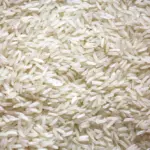
In the ever-evolving landscape of food production, the humble cereal stands as a foundational pillar of diets around the globe. yet, the journey from grain to breakfast bowl is anything but simple. As consumers grow increasingly discerning about the quality, texture, and nutritional value of their morning cereals, the need for refined processing techniques has never been more pressing. “Optimizing cereal Processing techniques: Evaluating Precision, Efficiency, and Quality Specifications in Production Systems” delves into the intricate mechanics behind cereal production, where balancing precision and efficiency with high quality is not just a goal but an art form. this article explores the latest innovations and methodologies in cereal processing, shedding light on how manufacturers can achieve excellence in every batch while meeting the demands of a dynamic market. Join us as we uncover the strategies that define modern cereal production and set the stage for a new era of quality in our beloved morning staples.
Enhancing Structural Integrity Through Advanced Cereal Processing Technologies
Enhancing structural integrity in cereal products is paramount for meeting consumer expectations and improving processing efficiencies. Advanced cereal processing technologies utilize mechanisms such as extrusion, milling, and fermentation to create products with enhanced texture, shelf life, and nutritional value.As an example, extrusion cooking facilitates gelatinization of starches, which increases the structural cohesiveness of the final products. This process allows for the combination of various ingredients, improving bonding characteristics and mechanical stability. The influence of moisture control throughout the extrusion process enhances the expansion of products,leading to desirable sensory attributes while maintaining the overall structure. Key specifications for optimal extrusion include:
- Temperature range: 120-180°C
- Moisture content: 20-25%
- Feed rate: 100-600 kg/h
Comparatively, milling techniques focus on the reduction of grain into flour with desired particle size distributions, an essential factor affecting dough rheology and product quality. Advanced milling technologies such as air classification and stone milling yield finer particles that enhance the binding of water, resulting in improved structural integrity. Despite their advantages, these techniques may present limitations, such as increased energy consumption and potential alterations in nutritional profiles.Performance factors such as grindability,defined by the energy to break down the grain,and screen size selection directly influence yield and quality. For example, using a 200-micron screen may yield a finer flour, but at the cost of higher operational energy. Successful implementation of these technologies is heavily reliant on consistent monitoring of process parameters to maintain quality while optimizing efficiency, as illustrated in the table below:
| Processing Technique | Key Performance Metrics | Applications |
|---|---|---|
| Extrusion | Temperature, moisture, feed rate | Snack foods, breakfast cereals |
| Milling | Particle size, grindability, energy consumption | Flour production, feed industry |

Navigating the Nexus of Quality assurance and Production Efficiency in Cereal Manufacturing
Navigating the intricate balance of quality assurance and production efficiency in cereal manufacturing necessitates a strategic approach that intertwines various factors, including process optimization, control mechanisms, and adherence to industry specifications. Key quality assurance criteria often comprise parameters such as raw material quality,moisture content,and texture uniformity,which can significantly impact the final product’s characteristics. The implementation of statistical process control (SPC) and quality management systems (QMS) plays a vital role in consistently monitoring these criteria throughout the production cycle. For instance,utilizing real-time data analytics can aid in prompt identification of deviations from established quality standards,allowing for corrective actions that minimize waste and maximize output. The delicate interplay of these factors is illustrated in the following comparison of processing methods:
- Dry Milling: Focused on maintaining low moisture during processing,which helps in achieving better shelf stability but may require more rigorous inspection protocols to ensure grain purity.
- Wet Milling: While it enhances extraction of certain components, it demands a more complex quality assurance process due to the increased likelihood of microbial contamination.
Furthermore, the limitations of existing quality measures highlight the necessity of an adaptable production system. For example, while standard batch testing provides a snapshot of product quality, it may not capture variations introduced by changing raw ingredient sources or operational fluctuations. Implementing automated inline quality inspection technologies,such as Near Infrared Spectroscopy (NIRS),can bridge this gap by offering continuous monitoring without disrupting the manufacturing flow. Significant performance factors to consider in this landscape include:
| Performance Factor | Impact on Production |
|---|---|
| Raw Material variability | Affects consistency in texture and flavour profiles |
| Process Automation Level | Determines the speed and reliability of production |
| Regulatory Compliance | Influences design and operational constraints |
By addressing these considerations, cereal manufacturers can effectively enhance their production systems to yield high-quality products while maintaining operational efficiency, ultimately achieving a enduring competitive advantage in the market.

Innovative Materials and Their Impact on Performance Metrics in Cereal Production Systems
Innovative materials play a pivotal role in enhancing performance metrics across cereal production systems. The incorporation of advanced composites, such as biodegradable polymers and metallic alloys, into equipment design can significantly improve the durability and efficiency of processing machinery. Such as, the use of high-strength stainless steel in milling machinery can reduce wear and tear, thereby extending the equipment’s operational life. Additionally, silicon carbide coatings applied to surfaces subject to abrasion can enhance the grinding efficiency due to their superior hardness and lower friction coefficients. These materials not only facilitate faster processing times but also translate into cost savings through decreased downtime and maintenance efforts. The following criteria are essential when evaluating material impact on performance metrics:
- Wear resistance: The ability of materials to withstand physical wear influences both the efficiency of the milling process and the quality of the end product.
- Thermal Stability: High-performance materials must maintain structural integrity at elevated temperatures, especially during frying or toasting processes.
- Non-reactivity: Materials should not interact negatively with cereals, ensuring product safety and maintaining nutrient profiles.
A comparative analysis of traditional and innovative materials reveals notable differences in performance factors. As a notable example, traditional materials like mild steel, while cost-effective, frequently enough require more frequent replacement, as illustrated in the table below:
| Material Type | Wear rate (mm/year) | Operational Lifespan (years) | Cost (USD/kg) |
|---|---|---|---|
| Mild Steel | 2.5 | 2 | 1.00 |
| High-Strength Stainless Steel | 1.0 | 5 | 3.50 |
| Silicon Carbide Coated Steel | 0.5 | 7 | 5.00 |
This table demonstrates that while innovative materials often incur higher initial costs, their reduced wear rates and extended life significantly enhance overall efficiency and cost-effectiveness in the long run. However, it is essential to consider limitations such as availability, environmental impact, and potential processing challenges associated with novel materials, ensuring a complete assessment that aligns with specific production needs.

Evaluating Engineering Decisions: Balancing Precision and Cost-Effectiveness in Cereal Processing
In the cereal processing industry, engineering decisions frequently enough revolve around the delicate balance between precision and cost-effectiveness. To evaluate these decisions effectively, several key criteria and mechanisms must be considered. First, the specifics of the raw materials, such as moisture content and grain size, necessitate different processing techniques to achieve optimal product characteristics.As an example, employing advanced milling technology can enhance the granulation process, allowing for uniform particle sizes and improving the final product’s quality. Though, the cost implications of high-precision equipment must also be weighed against potential increases in yield and product consistency. The following factors are essential for a comprehensive evaluation:
- Throughput Rates: The speed at which the process can handle raw materials significantly impacts operational costs.
- Energy Consumption: More effective processing techniques may require higher energy inputs, influencing long-term cost savings.
- Product Quality Standards: Regulatory requirements and consumer expectations can dictate the degree of precision necessary during processing.
Additionally, limitations inherent in each processing method need careful consideration. Such as, while high-precision equipment such as roller mills can produce consistent particle sizes, they may demand higher maintenance and operational expertise, leading to increased costs. In contrast, traditional milling methods, though less precise, may offer lower initial investment but can result in higher production waste and variability in final product quality. A comparative analysis of process performance is imperative. A simplified table comparing common cereal processing methods can aid in visualizing the trade-offs:
| Processing Method | Precision Level | Cost-Effectiveness | Typical Applications |
|---|---|---|---|
| Hammer Mill | Medium | High Initial Cost, Low Operational Cost | Flour Production |
| Roller Mill | High | High Initial Cost, Medium Operational Cost | Fine Grinding |
| Stone Mill | Low | low Initial and Operational Cost | Wholegrain Flours |
By meticulously analyzing these factors and integrating them into the decision-making framework, industries can identify the most suitable processing techniques that align with desired efficiency and quality specifications. This strategic approach helps mitigate risks while ensuring that the balance between precision and cost-effectiveness supports not only immediate production goals but also long-term sustainability within the cereal processing sector.
Insights and Conclusions
In closing, the journey through the intricacies of cereal processing techniques has illuminated the pivotal role that precision, efficiency, and quality specifications play in shaping the future of production systems. As we navigate the ever-evolving landscape of food manufacturing,it becomes increasingly clear that a meticulous approach to optimizing these parameters is not just beneficial but essential for success.
From the meticulous calibration of machinery to the implementation of cutting-edge technology, each facet contributes to a coherent system where innovation meets reliability. by embracing these enhancements, producers can not only meet consumer demands for higher quality and healthier options, but also streamline operations to reduce waste and improve overall productivity.
As the industry continues to adapt to new challenges and opportunities, the commitment to refining processing techniques will be the cornerstone of sustainable growth.the lessons learned and methodologies explored in this article serve as a foundation for further inquiry and advancement.In a world where every grain counts,let us remain dedicated to the pursuit of excellence in cereal processing,ensuring that every bowl of cereal not only nourishes but also reflects the precision and quality of a well-optimized production system.