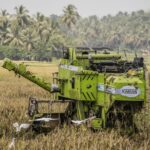
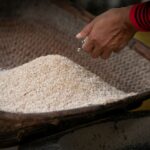
from Grain to Gleam: The Journey of a rice Polisher Through Tradition and Transformation
In the heart of culinary traditions across the globe,one staple reigns supreme: rice. This humble grain, revered for its versatility, has sustained countless cultures throughout history. Yet, behind every fluffy grain lies an intricate artistry often overlooked – the art of rice polishing.As we embark on this exploration, we uncover the journey of a rice polisher, a tool steeped in tradition yet shaped by modernity. from its inception in ancient civilizations to its evolution in today’s kitchens, the rice polisher serves as a bridge between age-old practices and contemporary innovations. Join us as we delve into the nuanced processes that transform unrefined grains into polished perfection, revealing not only the techniques but also the stories woven into each husk. This article will navigate the delicate balance of preserving heritage while embracing change, showcasing how one simple tool embodies the resilience of culinary craftsmanship through time.

A Master of Artistry: Crafting Perfection from the Heart of Rice
In the heart of the rice fields, where golden grains sway gently in the breeze, a remarkable transformation begins. The journey of rice from field to plate hinges on meticulous craftsmanship, and it is here that the polisher steps into the limelight. Each grain tells a story, one that intertwines tradition with innovation. But what does it take to achieve that lustrous polish that elevates rice to its finest? This is a process steeped in patience and precision, where the polisher embraces a philosophy that goes beyond mere technique to an artistry that captivates the senses.
At a local mill nestled in a quiet rural town, Rajesh, a seasoned rice polisher, reflects on the pivotal moments that shaped his career. With each batch, he is faced with decision points: should he follow the conventional methods passed down through generations, or embrace modern technology to enhance productivity? He recalls a time when he attempted to introduce a new polishing machine, which promised increased efficiency but sacrificed the quality he cherished. The results were evident – the rice lacked the gleam and texture that connoisseurs expected. Disheartened but resolute, Rajesh reverted to his time-honored techniques relying on natural rice husks and gentle friction, a painstaking process that requires his full attention.This delicate balance between innovation and tradition not only preserves the rice’s integrity but also connects the polisher to the land and its rich cultural heritage. it’s about crafting each grain with love and respect, ensuring that every bowl served is a party of meticulous artistry.
Navigating Change: The Evolution of Tradition in a Polisher’s World
As the world evolves, so too does the art of rice polishing, a craft steeped in the traditions of countless generations. Navigating this change requires a delicate balance between honoring age-old practices and embracing modern techniques. For those in the rice polishing trade, such as Leila, a second-generation rice polisher in Thailand, this means rethinking the tools of her trade while remaining anchored in her family’s legacy. When she first took over the family buisness, she faced a critical decision: should she maintain the traditional methods her father taught her or invest in new technology that promised to enhance efficiency and quality? After much deliberation, Leila chose a hybrid approach, incorporating electric polishing machines while still utilizing traditional wooden mortars for small batches. This decision allowed her to increase production while preserving the subtle flavors that define her rice.
Leila’s story highlights the contrasts many face: an expected increase in sales through modernization versus the risk of losing the craft’s essence. Early on, the feedback was telling—within the first month of using automated machines, several long-time customers remarked that the rice lacked the “soul” thay loved. A short survey of her clientele revealed some insights:
- 72% preferred the taste of traditionally polished rice.
- 45% were open to trying rice polished with modern methods.
- 25% noticed a difference in texture and aroma.
These results acted as a wake-up call for Leila. She realized that the path of least resistance wasn’t working and made adjustments by blending aesthetics with technology. By creating a dual product line—one that showcased traditional polishing and another for efficiency-first consumers—she successfully reinforced her traditional brand identity while adapting to the needs of an evolving market. This ongoing journey of innovation against the backdrop of deep-rooted custom serves as a testament that in the world of rice polishing, evolution is not merely about technology; it’s about the story each grain tells through its journey from harvest to table.
Lessons in resilience: Balancing Heritage and Innovation on the Journey
In the realm of rice polishing, balancing the rich tapestry of tradition with the demands of modern innovation is a lesson in resilience.Take, as an example, the small family-run rice mill owned by the Kumar family in rural India. For generations, they adhered to age-old methods that prioritized not just the polishing of rice but also the preservation of flavor and nutritional value. One day, however, a notable decision loomed: the introduction of a new high-speed polishing machine that promised to increase output dramatically. The expectation was tempting—greater efficiency and potential profit. Yet, a trial run revealed a stark contrast: the new process stripped the rice of its nutrients and altered the taste that their loyal customers cherished.That moment became pivotal; they realized that embracing innovation didn’t mean discarding their heritage. Instead of fully switching to the new machine, they opted for a hybrid approach, integrating modern techniques while preserving traditional quality control methods, creating a product that honored both their legacy and the needs of contemporary consumers.
Similarly,in a bustling urban landscape,Maria,who inherited her father’s rice polishing business,faced the challenge of evolving customer preferences. She found that younger consumers wanted convenience without compromising health.maria launched a series of workshops to educate her community on the health benefits of traditionally polished rice. These workshops not only respected her heritage but also cultivated a sense of community around it. By combining traditional knowledge with new marketing strategies, like social media outreach and engaging storytelling, she successfully expanded her market reach.This unexpected turn highlighted a significant lesson: the value of adaptability. Heritage and innovation are not opposing forces but rather complementary elements that can coexist and thrive, provided there’s a willingness to experiment and listen to the evolving voices of consumers.
Reflections on the path: The Personal Stories behind Each Grain’s Transformation
In the world of rice polishing, every grain tells a story, often reflecting the life experiences of those involved in its transformation. Take, as an example, the experience of Anjali, a rice polisher in rural India. Each morning, she rises before dawn, the air filled with the earthy scent of freshly harvested rice. Anjali recalls the first time she watched the polishing machine work its magic: “I expected it to be like magic, making everything perfect. But the reality was a complex dance between preparation and timing.” In those early days,she learned that not all grains are created equal; some needed extra attention and a gentler touch. Her patience taught her that the right balance of pressure and duration could either reveal the rice’s potential or leave it dull and lifeless. Through countless trial and error, Anjali found joy in imperfections—understanding that the subtle nuances of each grain give it character, just like the people who polish them.
Another poignant story comes from Miguel, who runs a rice milling business in the philppines. Facing a crowded market, he initially thought that investing in flashy equipment would outshine his competitors. Yet, after purchasing state-of-the-art polishers, he realized his returns didn’t justify the costs. In a moment of reflection, he decided to strip back to basics—focusing on the human element of polishing. He recalled a lesson from his grandfather, who believed in nurturing relationships over machinery: “when we treat our workers with respect, they take pride in their work, which shines through in the end product.” By emphasizing skill development and community involvement, Miguel discovered that the voices and hands behind each polished grain created a more authentic product. His shift from ambition to connection not only transformed his business but also deepened his bond with the rice-growing community.
In Summary
As we complete this exploration of the rice polishing journey, we are reminded that this humble grain embodies far more than its culinary importance. From the moment it is harvested, to the cares taken in polishing it to a gleaming finish, the saga of rice reflects a rich tapestry of culture, tradition, and innovation. the artistry involved in transforming rough grains into polished pearls is an age-old process that continues to evolve, merging time-honored techniques with contemporary advancements. This journey not only highlights the persistent dedication of artisans and farmers but also underscores the intricate bond between humanity and the land that nurtures it. As we savor each bite of polished rice, may we carry forward the stories of those who have devoted their lives to this craft, ensuring that the legacy of tradition and transformation endures with every meal shared. In our ever-changing world, the path from grain to gleam serves as a timeless reminder of the beauty found in patience, care, and the pursuit of excellence.