In a world where the demands for food quality and sustainability are ever-growing, the cereal processing industry stands at the forefront of innovation. As traditional methods converge with cutting-edge precision technologies, the landscape is transforming, allowing producers to optimize their operations like never before. This article delves into the latest advancements in cereal processing, examining how these technologies redefine production efficiency and product quality. By evaluating performance metrics and identifying key decision factors,we seek to shed light on the strategies that can propel the industry forward. Join us as we explore the intricate dance between technology and tradition, unlocking the potential for optimized production in a sector that feeds millions around the globe.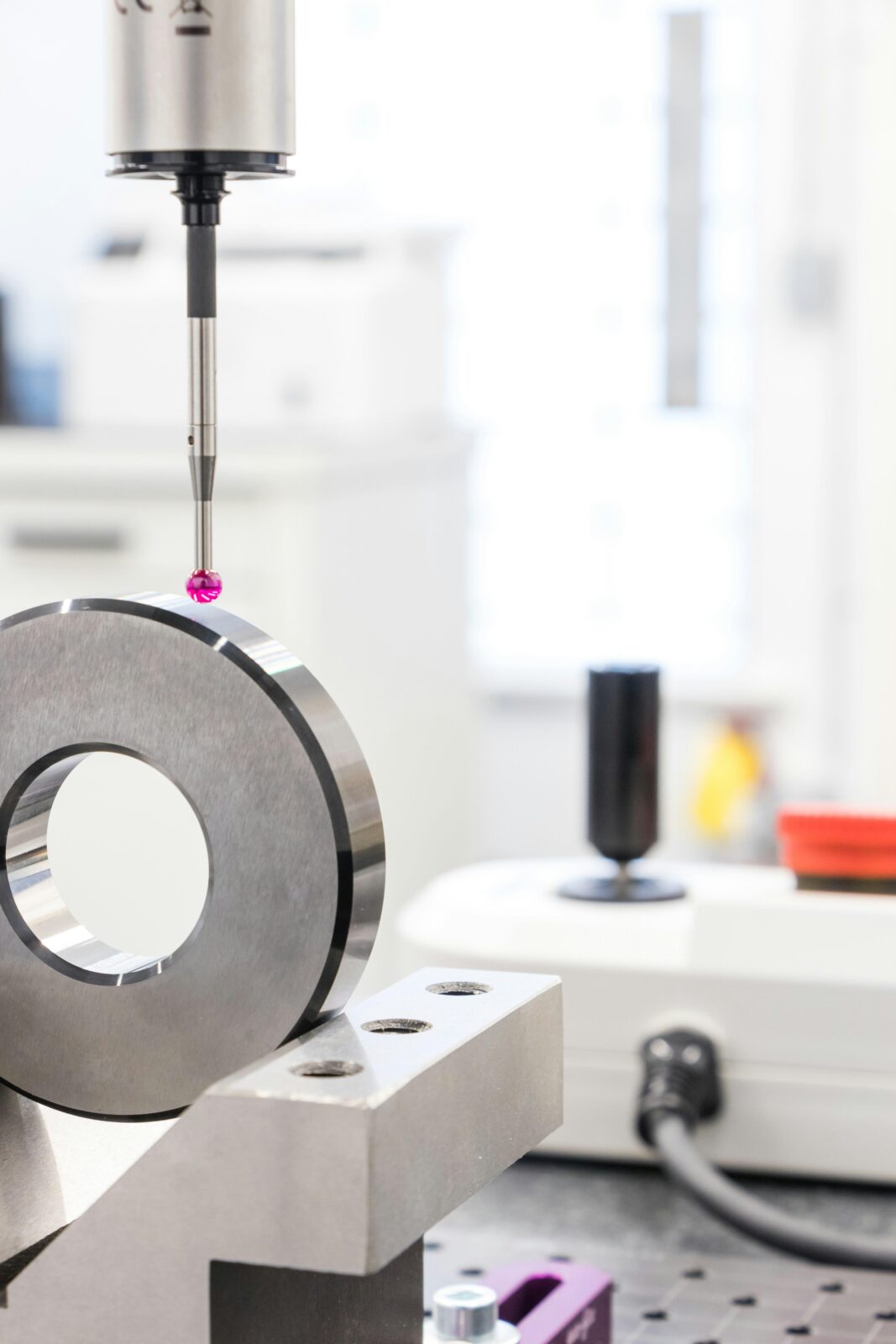
Navigating the Landscape of Precision Engineering in Cereal Processing Systems
Navigating the evolving landscape of precision engineering in cereal processing systems requires a thorough understanding of the underlying mechanisms that enhance production efficiency and product quality. Key technologies in this domain include automated blending systems, computer vision inspection, and advanced moisture control methodologies. As an example, an automated blending system employs real-time feedback loops to adjust ingredient ratios dynamically, optimizing the mix based on desired nutritional profiles and consistency targets. This not only ensures uniformity in the final product but also reduces raw material variances, effectively minimizing waste. Computer vision systems integrated within production lines can detect anomalies in grain quality or inconsistencies in product shape and colour, facilitating immediate adjustments that uphold standards without halting production.
Performance metrics associated with these precision technologies are critical in evaluating their impact on production efficacy. Important factors to consider include throughput rates, reduction in waste, and energy consumption. A comparative analysis might involve measuring throughput rates between a traditional batch processing approach and a continuous processing model enhanced with precision monitoring equipment. Such as, while traditional methods may yield a throughput of 100 kg per hour, a precision-enhanced continuous system could achieve upwards of 250 kg per hour, while maintaining lower energy usage percentages by up to 30%. However, limitations such as initial capital investment, system complexity, and the steep learning curve associated with high-tech implementations must be addressed. Understanding these factors and their implications allows manufacturers to make informed decisions regarding technology adoption, ensuring alignment with operational goals and market demands.

Assessing performance Metrics and Quality Standards in Modern Grain production Techniques
In modern grain production, assessing performance metrics and quality standards is critical for optimizing efficiency and yield. Key performance indicators (KPIs) such as throughput, energy consumption, and waste generation provide a quantifiable basis for evaluating the effectiveness of processing techniques. As an example, in milling processes, the extraction rate, defined as the ratio of flour produced to the amount of grain milled, is a vital performance metric that hinges on the characteristics of the grain being processed. technologies such as high-efficiency air classifiers can enhance the separation of bran and endosperm, leading to improved extraction rates. Additionally, sensors and IoT devices are instrumental in real-time monitoring of parameters like moisture content and particle size distribution, ensuring compliance with quality standards set forth by organizations such as the International Institution for Standardization (ISO).
diffrent grain types exhibit distinct quality metrics based on desired end products.For example, the hardness of wheat impacts it’s milling characteristics and, consequently, flour quality. Performance factors like gluten strength and falling number are significant for actually determining the usability of flour in baking applications. A comparative analysis of milling techniques—such as traditional versus roller milling—reveals that roller milling typically allows for finer flour particles and better control over bran removal. However, this modern technique can demand higher energy input and greater maintenance costs. limitations also arise when considering equipment scalability and flexibility in processing diverse grain types.Thus, a comprehensive approach that considers not only the technical specifications of the production equipment but also the inherent characteristics of the grain is essential for setting realistic performance benchmarks and ensuring product quality that meets both consumer expectations and regulatory standards.
Evaluating Material Innovations and Their Impact on Efficiency in Cereal Manufacturing
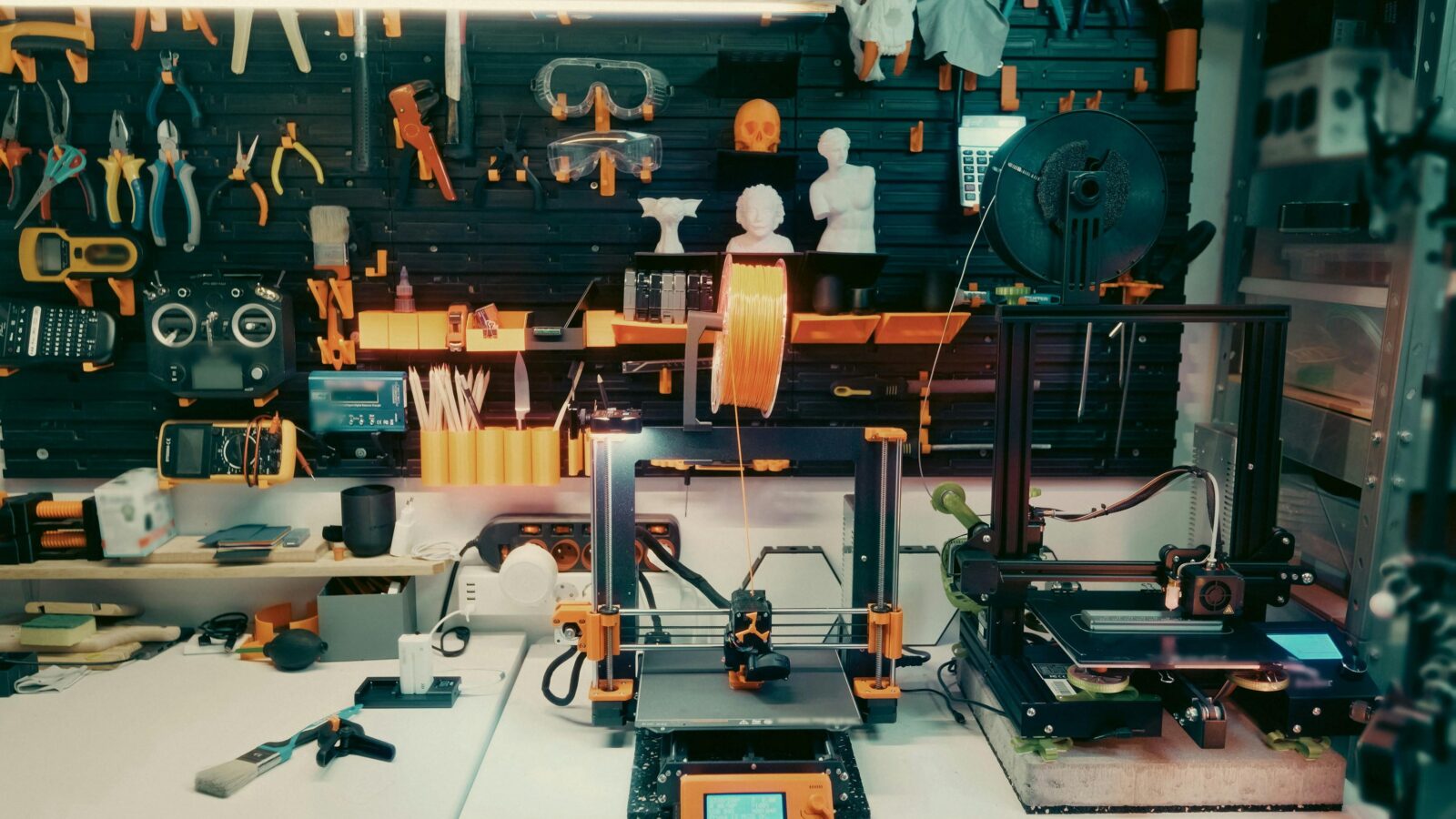
Material innovations in cereal manufacturing play a pivotal role in enhancing efficiency across multiple stages of production. One critical area of advancement is the progress of high-performance composite materials for machinery components, such as grinding mills and conveyor systems. These materials often exhibit superior wear resistance and reduced friction coefficients, leading to a decrease in operational downtime and maintenance costs.As a notable example, the integration of ceramic composites in mill liners can extend service life by up to 50% compared to traditional steel liners, thus minimizing the frequency of replacements. Key performance metrics, such as energy consumption, throughput rate, and material handling efficiency, must be evaluated when assessing these innovations. An example comparison could highlight energy savings of 20% in mills utilizing advanced polymers versus conventional materials, driving a significant impact on overall production costs.
Another noteworthy innovation is the adoption of smart sensor technology for real-time monitoring and optimization of cereal processing parameters.These sensors can provide data on moisture content, particle size distribution, and temperature, enabling manufacturers to make informed adjustments that enhance operational efficiency. Such as, utilizing laser diffraction technology for particle size analysis allows for precise control over granulation, which can improve product uniformity and reduce waste. The performance metrics for these technologies should include response time, accuracy, and integration capabilities with existing systems. Despite their advantages, some limitations, such as initial investment costs and the complexity of integration into legacy systems, must be acknowledged and evaluated against the long-term benefits. Incorporating a cost-benefit analysis into decision-making processes can help manufacturers prioritize which innovations yield the best returns in terms of efficiency gains and production scalability.

Strategic Decision-Making in Cereal Processing: Balancing Technology and Operational Limitations
Strategic decision-making in cereal processing necessitates a careful evaluation of technological advancements against operational limitations. Producers must assess various performance metrics to determine the optimal integration of precision technologies such as automated scheduling systems, advanced quality monitoring sensors, and real-time data analytics.These tools enhance production efficiency and enable precise control over process variables such as moisture content, particle size, and nutrient retention. However, the adoption of high-tech solutions can also introduce complexities. For example,while a high-speed milling machine can significantly increase throughput,it may also decrease product uniformity due to variations in feed rate and equipment calibration. Thus, critical performance factors like throughput efficiency, yield consistency, and energy consumption must be closely monitored and balanced against the capabilities of existing operational infrastructure.
In evaluating the integration of advanced technologies,decision-makers should consider several technical criteria and process logic. Key specifications include the following:
- Cost-Benefit Analysis: Assessing the return on investment (ROI) in adopting new technology versus potential losses associated with adhering to outdated methods.
- System Compatibility: Ensuring new technologies can interface seamlessly with existing systems—both hardware and software—to avoid costly downtime.
- Scalability: Evaluating whether technologies can scale with production demands or if they will require further investment as operational needs evolve.
For example, the implementation of a state-of-the-art grain analysis system may initially strain a facility’s budget but can lead to significant long-term savings through optimized resource utilization. Conversely, reliance on outdated batch processing methods can stifle production efficiency and product quality if not systematically upgraded. By systematically analyzing these factors, cereal processors can make informed strategic decisions that harmonize technological advancements with realistic operational constraints.
Key Takeaways
As we traverse the landscape of cereal processing, it’s clear that the integration of precision technologies is not just a fleeting trend, but a pivotal evolution in the industry. The data-driven insights from performance metrics provide an invaluable compass, guiding producers through the complexities of modern production challenges. As we’ve explored, key decision factors such as automation, sustainability, and efficiency hold the potential to redefine processes, increase yield, and ultimately enhance product quality.
The journey toward optimized production is ongoing,and while striving for advancements,stakeholders must remain adaptable,ready to embrace innovations that will shape the future of cereal processing. The path forward is not without its challenges, but by leveraging precision technologies, harnessing data metrics, and making informed decisions, the promise of a more efficient and sustainable cereal industry is well within reach.
the future of cereal processing is marked by a commitment to continuous enhancement, one that invites collaboration across disciplines and encourages exploration of new frontiers. As we look ahead, let us remain focused on fostering innovation that not only meets the demands of today but also lays the groundwork for a sustainable tomorrow. The grain of our efforts today will surely yield a bountiful harvest for generations to come.