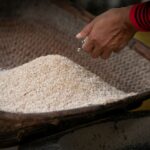
In the heart of the agricultural landscape, paddy processing units serve as critical junctions where raw harvest transforms into staple food. As global demands for rice continue to soar, the urgency for enhanced efficiency in these processing units becomes palpable. Enter technological innovations, which are reshaping the very fabric of workflow dynamics and operational specifications in this sector. This article delves into a comparative analysis of how various cutting-edge technologies are streamlining processes, augmenting performance metrics, and ultimately influencing the operational efficacy of paddy processing units. By examining the interplay between innovation and performance, we aim to illuminate the paths that lead to not only higher productivity but also sustainability in one of the world’s most important food supply chains. Join us as we explore the advancements that are not just transforming workflows, but also setting new standards in the quest for operational excellence.
Exploring the Impact of Automation Technologies on Workflow Optimization in Paddy Processing Facilities
Automation technologies have significantly transformed the workflow in paddy processing facilities by integrating advanced systems that streamline operations and enhance efficiency. Key mechanisms employed include automated rice mills, conveyor systems, and real-time monitoring software that collectively optimize processing time and product quality. As a notable example, automated milling systems can adjust parameters such as milling intensity and temperature based on the specific types of paddy being processed, thereby minimizing grain breakage and maximizing yield.Additionally, the implementation of conveyor systems facilitates the seamless transfer of products between various stages of processing, significantly reducing manual handling and associated labor costs. The integration of Internet of Things (IoT) sensors in this workflow provides critical performance data, enabling predictive maintenance schedules that further reduce downtime and enhance overall operational efficiency.
When evaluating the impact of these automation technologies, several criteria must be considered, including throughput rates, energy consumption, and product quality metrics. The comparative effectiveness of traditional versus automated workflows can be illustrated through performance factors such as:
- Throughput Rate: Automated systems can typically achieve a processing capacity of up to 10 tons per hour, compared to 5 tons in manual systems.
- Energy Efficiency: Automation reduces energy consumption by 30% by optimizing machinery run time.
- Quality Metrics: Automated grading and sorting systems enhance the quality assurance process by achieving a lower defect rate of approximately 2%, versus 10% in manual operations.
However, the adoption of automation technologies is not without limitations. Initial capital investment can be substantial, which may deter smaller facilities from upgrading their systems. Additionally, there are concerns regarding workforce displacement and the need for skilled operators to manage refined machinery. Moreover, technology dependency may pose risks if systems experience downtimes due to technical failures. Thus, while automation certainly enhances workflow efficiency in paddy processing, it is essential for facilities to weigh these benefits against the associated costs and challenges to determine the most viable operational approach.

Evaluating Material Innovations and their Influence on Performance Metrics in Rice Milling Operations
Evaluating material innovations within rice milling operations necessitates a meticulous assessment of how these advancements impact performance metrics like yield rates, energy consumption, and overall operational efficiency. As an example,the introduction of high-strength steel in milling machinery enhances the durability and longevity of equipment,translating to reduced downtime and lower maintenance costs. Furthermore, the use of wear-resistant ceramic linings can mitigate abrasion in critical components, thus improving throughput by maintaining consistent milling pressures. These specifications highlight the role of material innovations in optimizing both the mechanical properties and the overall performance of milling units. Evaluation criteria include not only initial material costs but also lifecycle analysis, which considers aspects like maintenance frequency, energy costs over time, and the potential for equipment upgrades.
To systematically analyze the performance metrics influenced by these material innovations, a comparative framework is essential. The attributes to compare might include yield efficiency, energy utilization, and cost-effectiveness. A typical analysis might present the following comparative results in tabular form:
| Material Type | yield Rate (%) | Energy Consumption (kWh/ton) | Maintenance Frequency (months) |
|---|---|---|---|
| Standard Steel | 65 | 150 | 6 |
| High-Strength Steel | 70 | 140 | 12 |
| Ceramic Lining | 72 | 135 | 24 |
This table illustrates the significant advantages of advanced materials across various performance factors. However, limitations should also be accounted for, such as the increased upfront investment in high-performance materials, which might not be feasible for all operators, particularly smaller-scale facilities with limited capital. Additionally, operational specifics must be adhered to, as not all innovations will suit every milling operation depending on local grain varieties and processing conditions, underscoring the necessity of tailored evaluations to inform practical decisions effectively.
Comparative Insights into Engineering Specifications and Their Role in enhancing Efficiency in Paddy Processing
In the realm of paddy processing, engineering specifications play a crucial role in optimizing workflow efficiency. Key specifications include processing capacity, energy consumption per ton processed, and the quality of milled rice produced. The processing capacity is typically measured in tons per hour and is influenced by the design and arrangement of machinery such as dehuskers, hullers, and polishers. As a notable example, a high-capacity huller can process 2-3 tons of paddy per hour, whereas a traditional one may only handle 0.5 tons, significantly impacting productivity. Energy consumption metrics reveal essential insights into operational costs and environmental sustainability; modern units that integrate efficient machinery can reduce energy usage by up to 30% compared to older models.Additionally, quality assessments, such as head rice yield, which refers to the amount of whole grains produced, can guide manufacturers toward optimal machinery choices and configurations.
When comparing different technological setups, several performance factors must be taken into account: machine uptime, maintenance frequency, and throughput efficiency. For example, automated systems that minimize manual intervention can achieve higher uptime but may require sophisticated maintenance protocols. A comparison of manual versus automated paddy processing units can reveal that while manual operations may incur lower initial investments, automated systems eventually provide better ROI through scalability and consistency in product quality. Specific criteria for evaluation might include throughput rate, labor costs, and downtime incidents, summarized in the table below:
| criteria | manual Processing | Automated Processing |
|---|---|---|
| Throughput Rate (tons/hour) | 0.5 | 2-3 |
| Labor Costs ($/ton) | $50 | $30 |
| Downtime Incidents (per month) | 5 | 1 |
Though, transitioning from manual to automated systems is not without limitations. The upfront capital required for advanced technology can be a significant barrier, particularly for small to medium-scale processors. Moreover, operator training for high-tech machinery is essential; insufficient knowlege can lead to diminished operational efficiency. Understanding these comparative insights allows stakeholders to make informed decisions that drive overall efficacy in paddy processing, thereby fostering a more sustainable and profitable agricultural value chain.
navigating the Limitations of Current Operational Frameworks: A Technical Review of Paddy Processing Metrics
The current operational frameworks in paddy processing units—such as conventional milling, parboiling, and drying—face several limitations that hinder optimization and efficiency.These methodologies frequently enough rely on metrics such as throughput rates, energy consumption, and yield percentages. Though, these metrics may not fully capture the complexities of performance. Key mechanisms to evaluate include:
- Process Logic: The linearity of the milling process can lead to bottlenecks. as an example, traditional husking methods may yield higher broken rice rates, impacting overall quality metrics.
- Specification Criteria: Robustness in machinery and technology used significantly shapes efficiency. A comparative study between rubber-roll and steel-husked milling shows a difference in yield, with rubber rolls producing less damaged grain.
Additionally, performance factors such as moisture content and the physical condition of paddy can drastically affect processing outcomes. Limitations can manifest through:
| Performance Factor | Limitations |
|---|---|
| Moisture Content | Inconsistent drying processes can increase spoilage rates if paddy is not uniformly dried, affecting overall product quality. |
| Operational Specifications | Outdated machinery may lack the precision required for optimal milling,leading to increased waste and reduced economic returns. |
This technical review illustrates that while current metrics provide a foundational understanding of productivity, they are often oversimplified. A more holistic approach that includes real-time monitoring systems and integrated blockchain for traceability may offer enhanced insights, informing better decision-making processes and ultimately optimizing workflow efficiency.
Concluding Remarks
the landscape of paddy processing is undergoing a significant transformation, spurred by technological innovations that promise to enhance workflow efficiency and operational specifications.This comparative analysis has illuminated the diverse methodologies employed across various processing units, revealing a spectrum of performance metrics that foster both productivity and sustainability. As processors increasingly integrate advanced technologies, the metrics that define success are evolving, encouraging a holistic approach to operational excellence.
The interplay between innovation and efficiency is not merely a trend but rather a pivotal shift that can redefine the future of paddy processing. The insights gleaned from this analysis serve as a foundation for stakeholders to make informed decisions, invest in the right technologies, and ultimately drive their operations toward greater efficiency and profitability.
as we look ahead, it is imperative for all players in the industry to stay attuned to emerging technologies and continuously reassess their performance metrics. The journey toward operational excellence is ongoing, and those who embrace change will not only thrive but also contribute to a more sustainable agricultural future. Ultimately, the next chapter in paddy processing will be written by those who are willing to innovate, adapt, and redefine success in a rapidly evolving technological landscape.