in the ever-evolving landscape of agriculture, modern farmers are constantly seeking innovative solutions that enhance productivity while minimizing labor and resource costs. Among these innovations, combine mini rice mills stand out as a game changer for small to medium-scale rice producers. These compact yet powerful machines encapsulate the expertise of customary milling and the efficiency demanded by contemporary agricultural practices. In this complete guide, we will delve into the numerous advantages of combine mini rice mills, exploring how they empower farmers to optimize their operations, improve crop quality, and ultimately increase their profitability. Join us as we uncover the ways in which these versatile machines are reshaping the rice milling industry and supporting the livelihoods of farmers around the globe.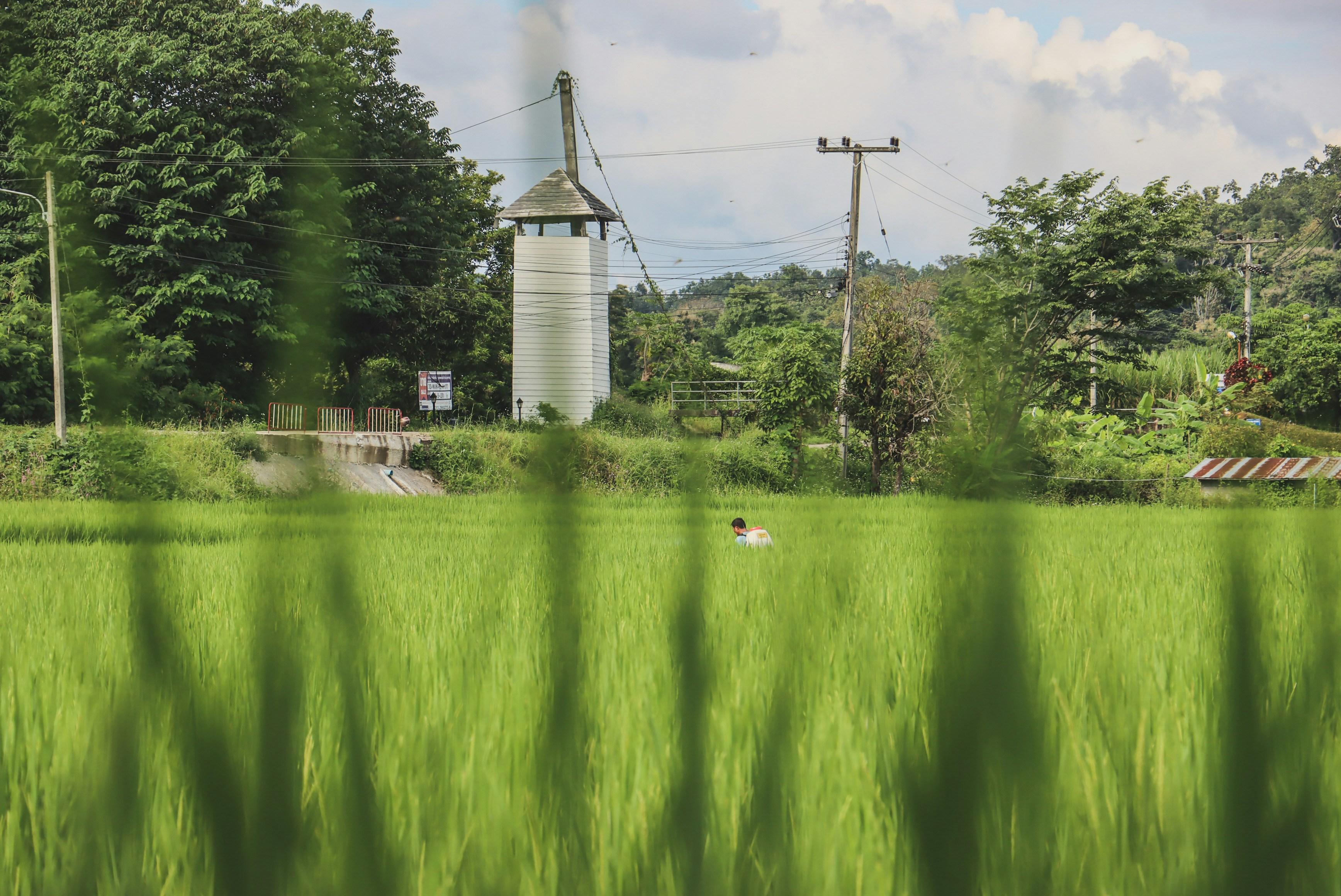
Exploring Mini Rice Mills: A Deep Dive into Their Role in Modern Agriculture
Mini rice mills have emerged as vital components in modern agriculture, particularly in areas where small-scale farming predominates. These compact, efficient machines are designed to streamline the rice milling process, providing a range of benefits that directly impact producers and the agricultural economy. Primarily, mini rice mills offer cost-efficiency and labor savings. Compared to larger mill operations, they require less capital investment, making them accessible to small farmers. Additionally, their compact design allows for easier mobility and installation in rural areas, which is crucial for farmers who may not have the resources to transport large amounts of harvested rice to farther facilities. The ability to mill rice on-site also ensures that farmers can turn their crops into marketable products immediately, reducing spoilage and increasing profit margins.
Beyond financial benefits, mini rice mills contribute significantly to quality control and sustainability in the agricultural supply chain. By owning their milling equipment,farmers maintain greater control over the milling process,which helps preserve the nutritional value and flavor of the rice. Furthermore, many modern mini rice mills are designed with energy efficiency in mind, utilizing less electricity and generating minimal waste. These machines often come equipped with features that enhance productivity, such as automated rice husking and polishing functions. farmers looking to invest in mini rice mills should consider a few key factors:
- Capacity: Choose a model that matches the scale of production.
- Energy Source: Opt for mills that align with local energy sources for cost savings.
- Maintenance: Evaluate the availability of parts and service options to ensure longevity.
- Brand Reliability: Research reputable manufacturers for better support and efficiency.
By investigating these aspects, modern farmers can leverage mini rice mills not just as tools for processing, but as essential elements in enhancing their overall production and sustainability practices.

Unraveling the Benefits of Combine Mini Rice Mills for Efficient Farming Practices
Combine mini rice mills are revolutionizing the way rice farming operates, providing a multitude of benefits that enhance efficiency and productivity in agriculture. These compact machines integrate multiple processing steps—from threshing to milling—into a single, streamlined operation. By embracing combine mini rice mills, farmers can significantly reduce labor costs and processing time while also minimizing post-harvest losses. Key advantages include:
- Time Efficiency: Combine mills can process rice much faster than traditional methods, allowing farmers to complete harvesting and milling in a single pass.
- Cost-Effectiveness: By reducing the need for multiple machines and labor, farmers can lower their overall operational costs.
- Higher Quality Produce: These mills ensure uniform milling, which results in high-quality rice with minimal broken grains.
- Convenience: Compact designs allow for easy transport and storage, making them ideal for small farms.
Though,there are considerations to keep in mind. While the initial investment in a combine mini rice mill can be significant, the long-term benefits often outweigh these costs, particularly when factoring in savings from reduced labor and improved crop yields. Farmers should compare different models based on capacity, power consumption, and ease of operation. it’s also wise to assess local support and training options, as well as spare parts availability.Engaging with othre farmers who have adopted these technologies can provide valuable insights and recommendations on which models are best suited for specific farming conditions.
Navigating the Challenges: Common Misconceptions About Mini Rice Mills
When it comes to mini rice mills, several misconceptions circulate that may hinder farmers from fully leveraging their benefits. One common belief is that mini rice mills are only suitable for small-scale operations. In reality, these mills offer versatility that accommodates various production demands. They can function efficiently for both small farms and larger operations when properly configured.Additionally, many assume that mini rice mills compromise on quality compared to their larger counterparts; however, advancements in technology have enabled mini mills to produce high-quality rice with improved milling efficiency and reduced broken grain percentage.The integration of modern features, such as automated grain handling and polishing, ensures that mini mills can deliver outputs that meet market standards.
Another prevalent misconception is related to the cost and maintenance of mini rice mills. While the upfront investment may appear daunting, the long-term operational savings and efficiency they offer can outweigh initial expenses. Consider factors like lower energy consumption, reduced labor costs, and less water usage—attributes that arise from optimized milling processes. Below is a quick comparison of mini rice mills versus traditional milling methods:
| Aspect | mini Rice Mill | Traditional Milling |
|---|---|---|
| Energy Efficiency | High | Low |
| Labor Requirement | Lower | higher |
| Maintenance | Minimal | Regular |
By addressing these misconceptions, farmers can make informed choices about integrating mini rice mills into their operations. Understanding the true potential and advantages of these systems can lead to enhanced productivity and profitability in modern agriculture.
Choosing the Right Mini Rice Mill: Key Considerations for Today’s Farmers
When selecting the right mini rice mill, modern farmers should consider several essential factors to ensure they meet their operational needs. First, it’s vital to assess the capacity of the rice mill. Mini rice mills vary significantly in output, typically ranging from 100-500 kg per hour. Farmers should evaluate their production volume requirements and choose a mill that can handle their workload efficiently. Additionally,consider the energy source of the mill—whether it runs on electricity or diesel—as this can impact operational costs and sustainability efforts.
Another critical factor is the type of milling technology used. There are two main types: modern automated systems and traditional mechanical mills. Automated systems are more efficient and require less hands-on operation but might come with higher upfront costs. Farmers should weigh the benefits of efficiency against budget constraints. Moreover, look for features that enhance ease of maintenance and durability, which can influence long-term profitability. Comparing the following features can guide your decision:
- Weight: Heavier mills often provide stability but can be harder to transport.
- Size: Ensure it fits your workspace and is not overly bulky.
- Versatility: Some mills can handle different types of grains, increasing their utility.
don’t overlook customer reviews and industry feedback when evaluating potential models. These insights can shed light on the reliability and performance of the equipment, helping you make an informed purchase that aligns with your farming practices.
Concluding Remarks
understanding the advantages of combine mini rice mills is pivotal for modern farmers seeking efficiency and sustainability in their operations.As we’ve explored throughout this guide, these innovative machines bring a plethora of benefits that not only streamline the milling process but also enhance product quality and reduce labor costs. With the agricultural landscape constantly evolving, equipping oneself with the right tools is more critically important than ever. Combine mini rice mills stand at the forefront of this conversion, offering a practical and effective solution to meet the demands of today’s market while ensuring that farmers can cultivate their crops with confidence and ease. As you embark on your journey towards modernization, consider how integrating these mills into your farming practices can not only save time and resources but also pave the way for a more fruitful and sustainable future in rice production.The choice is clear; the time for change is now.