In a world where culinary preferences continue to evolve and global food security remains a pressing concern, few staples command the reverence of rice.This humble grain, a lifeline for over half of the planet’s population, plays a crucial role in economies, cultures, and cuisines across the globe.Yet, behind the scenes of this vital industry lies a complex web of processing challenges that often go unnoticed. As the demand for higher quality and enduring production methods intensifies, the need for innovation has never been more critical. Enter advanced equipment and technologies that promise to revolutionize rice processing. From cutting-edge machinery to smart farming solutions, these innovations are not just enhancing the quality of rice; they are also unlocking new avenues for profitability in an industry frequently enough overshadowed by othre agricultural sectors.In this article, we explore how embracing modern technology can transform rice processing, elevate standards, and ensure that this essential crop meets the demands of tomorrow’s consumers while benefiting producers along the way.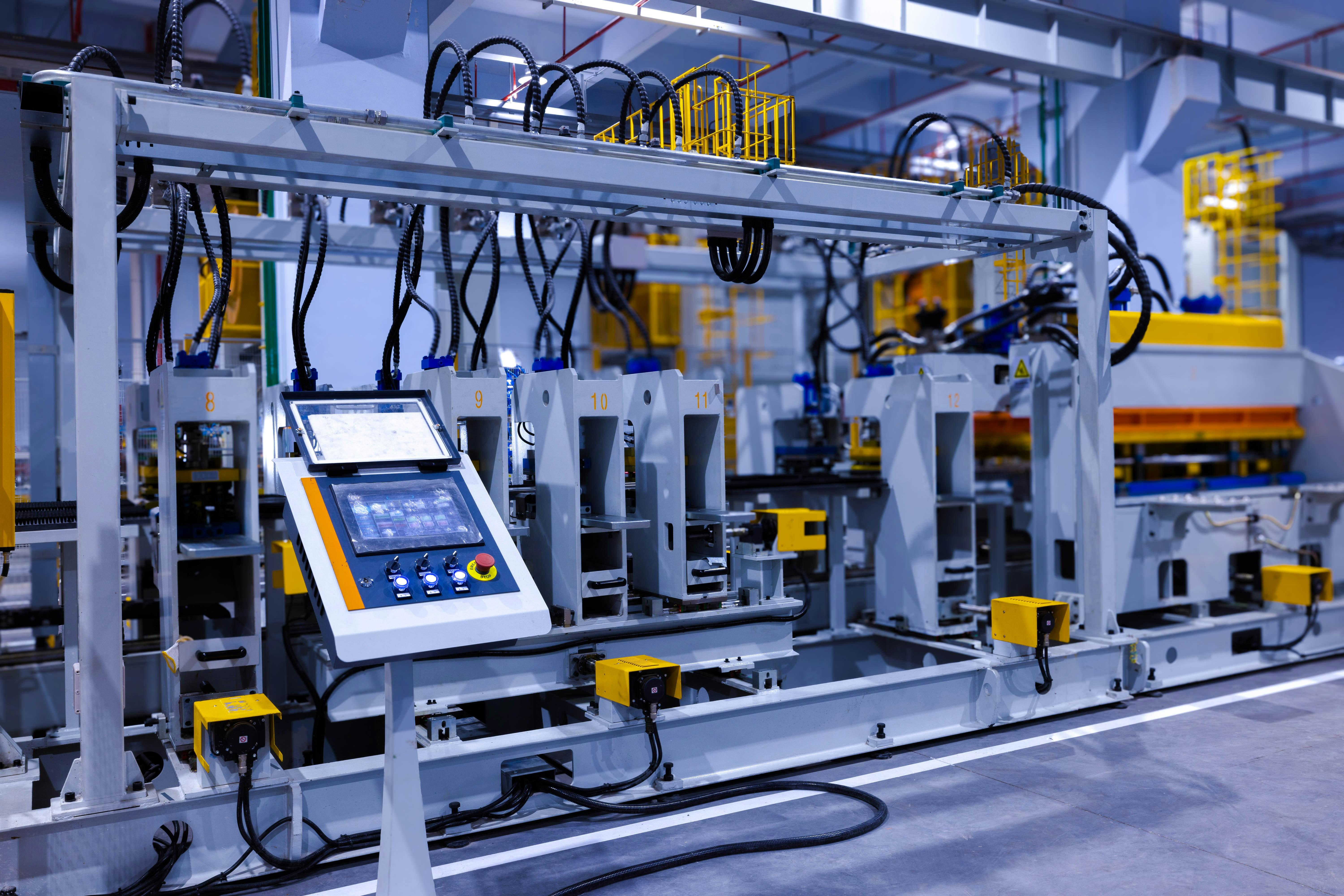
Innovative Machinery vs Traditional Techniques: Balancing Quality and Cost in Rice Processing
In the realm of rice processing, the juxtaposition of innovative machinery against traditional techniques raises critical questions about quality and cost.proponents of advanced equipment assert that innovations such as automated milling systems, AI-driven quality control, and multi-functional processing units offer unprecedented efficiency and enhanced product quality. These systems can consistently deliver higher-grade rice with fewer impurities, reduced breakage, and optimized yield. However, these advances come with significant upfront investments, which can be a barrier for small-scale farmers or processors operating on tight margins. The challenge lies in determining whether the initial capital outlay translates into long-term profitability, especially for producers who might potentially be accustomed to the more labor-intensive, but less costly, methods of yesteryear.
On the other hand, traditional techniques, often regarded as artisanal, can yield exceptional quality, particularly when it comes to niche markets that value heritage and flavor over uniformity. Techniques such as stone milling or hand paddy processing maintain the character of the rice, appealing to consumers who prioritize quality over quantity.Though, these methods can be labor-intensive and time-consuming, limiting scalability and overall efficiency. To strike a balance, it may be prudent for processors to adopt a hybrid model that incorporates both methodologies: investing in selective machinery that enhances productivity without completely abandoning the artisan practices that define their product. As a notable example, small-scale processors might consider a combination of basic mechanization for initial stages and hand-finishing techniques to ensure quality, thus marrying the precision of technology with the nuanced craftsmanship of tradition. This approach can yield a competitive edge without compromising the essence of the product.

The Pitfalls of Over-Reliance on Technology: When Advanced Equipment Falls Short in Real-World Scenarios
The allure of advanced technology in rice processing frequently enough leads stakeholders to overlook the inherent complexities of real-world agricultural environments. While state-of-the-art equipment promises remarkable efficiency and product quality, it can falter when faced with variable factors that typical machine designs may not accommodate. As a notable example, highly automated systems may struggle with the variability in grain moisture content, which can significantly alter the effectiveness of drying and storage processes. Moreover, relying solely on technology can create a disconnect with traditional practices that have been honed over centuries—critical knowlege that can enhance or even replace technological solutions in specific contexts.
It’s essential to recognize the trade-offs associated with unchecked reliance on advanced machinery. While the upfront investment in cutting-edge technology might seem justified by potential gains in productivity and profitability, several key considerations should guide decision-making:
- Maintenance Costs: Advanced equipment often requires specialized maintenance and may involve significant downtime if repairs are needed.
- Worker Displacement: Increased automation can lead to job losses in rural communities, undermining local economies that depend on agriculture.
- Environmental Impact: High-energy consumption from advanced processing machinery may counteract sustainability efforts, particularly in ecosystems sensitive to resource depletion.
Balancing innovation with these factors demands a nuanced approach—integrating new technologies while preserving essential knowledge and practices. Collaborative models that combine traditional farming expertise with modern machinery can yield better outcomes, ensuring that technology complements human skill rather than replaces it entirely.
Profitability beyond the Bottom line: Assessing the Environmental and Social Impacts of Modern Rice Processing
Profitability in rice processing extends far beyond mere financial returns; it encompasses profound environmental and social effects that can resonate throughout communities and ecosystems. Modernizing equipment in this sector frequently enough focuses solely on enhancing yield and efficiency. However, overlooking the environmental implications can lead to unintended consequences such as increased carbon emissions, water usage, and diminished soil health.This calls for a reevaluation of what profitability truly means. To ensure a sustainable future, decision-makers should consider adopting practices that integrate technology with eco-friendliness. For instance:
- Energy Efficiency: Investing in energy-efficient machinery can significantly reduce the carbon footprint of processing.
- Waste Management: Advanced equipment can be designed to generate less waste or even repurpose byproducts, promoting a circular economy.
- Water Conservation: Implementing technologies that minimize water usage is crucial, especially in regions vulnerable to water scarcity.
Social impacts, equally vital, can frequently enough be overlooked in a pursuit for economic gains. The modernization of rice processing can enhance livelihoods through job creation and skills growth; however, it may also lead to community displacement and increased inequalities if not approached thoughtfully. Stakeholders must weigh these trade-offs carefully. For instance, while automation may boost efficiency, it can also displace traditional labor. A balanced approach would include:
- Inclusivity: Implementing training programs to upskill current workers in new technologies can mitigate job losses and facilitate smoother transitions.
- Community Engagement: Engaging local communities in decision-making ensures that their needs are respected, fostering goodwill and social license to operate.
By critically assessing both the environmental and social repercussions of modern rice processing, the industry can uncover new avenues for sustainable profitability that appeal to increasingly conscious consumers and investors alike.
From Seed to Sale: Unpacking the Strategic Trade-offs in Investing in Advanced Rice Processing Equipment
Investing in advanced rice processing equipment is a multifaceted decision that can significantly impact an operation’s overall efficiency and profitability. As producers evaluate their options, they must carefully consider the following trade-offs:
- Initial Costs vs. Long-term Gains: While cutting-edge technologies often require a ample upfront investment, they can drastically enhance productivity by reducing labor costs and increasing throughput. It’s essential to perform a return on investment (ROI) analysis that not only captures tangible benefits like reduced waste and faster processing times but also intangible gains, such as improved product quality and customer satisfaction.
- Flexibility vs. Specialization: Businesses may face a choice between versatile equipment that can handle a variety of tasks or specialized machinery designed for maximum efficiency in a single function. While flexibility may seem appealing in a market characterized by fluctuating demand,specialization can lead to superior quality and lower operational costs in the long run. A relevant approach is to implement a phased investment strategy: start with specialized equipment that addresses immediate production bottlenecks while gradually integrating versatile systems that adapt to future market needs.
Balancing these considerations requires a keen understanding of both market dynamics and production capabilities. Producers often allow outdated assumptions—like “bigger is better” or “lower cost equates to lower quality”—to shape their decisions. However, flexibility can sometiems lead to inefficiency, and investing in advanced technology does not guarantee success without a strategic operational framework to support it. Key distinctions arise from aligning equipment with overall business strategy: Is the goal to lead on quality or cost? Are you targeting local markets, or expanding into international ones? These questions form the foundation upon which smart investment decisions should be made.
Moreover, evaluating the impacts of automation on workforce dynamics is essential. Increased efficiency might lead to a reduction in labor needs, but failing to manage workforce transitions can result in operational disruptions and employee dissatisfaction. As such, seeking a balance between technological advancement and employee engagement will maximize both productivity and morale, allowing producers to harness the full potential of their advanced rice processing equipment.
to sum up
As we stand on the brink of a new era in rice processing,it becomes clear that advanced technology is not merely a luxury but a necessity for survival in a competitive market. The innovations discussed here have the potential to transcend traditional practices, ushering in improvements that resonate far beyond the processing plant. By enhancing the efficiency, quality, and profitability of rice production, we can unlock new opportunities for farmers, processors, and consumers alike.
In a world where food security and sustainability are paramount,revolutionizing an overlooked industry such as rice processing is not just a strategic move; it’s a vital step towards resilience. As we embrace these advancements and challenge the status quo, we forge a path towards a future where every grain is polished to perfection, not just for the market, but for the farmers who dedicate their lives to feeding the world. The journey is just beginning—let us continue to explore, innovate, and celebrate the endless possibilities that lie ahead in the realm of rice processing. Together, we can transform this staple into a beacon of quality, flavor, and economic prosperity.